The best time to visit Sundarbans is generally September to March, when the weather is cool and pleasant, but winter isn’t the only good window. The monsoon brings lush greenery and fewer crowds, while the pre-monsoon months offer strong wildlife activity. The right time depends on what you want, whether comfort, birdlife, solitude, or the best chance of spotting a tiger among the places to visit in Sundarban.

If you live in Kolkata and still haven’t made the trip, the usual advice is simple: go in winter. It is good advice, but incomplete.

Each season offers the Sundarbans a different character, and understanding them helps you pick the trip that suits you rather than simply following the crowd.

When is the best time to visit the Sundarbans overall?

The best time to visit the Sundarbans overall is from September to March, when temperatures are comfortable and wildlife is active. These cooler, drier months bring pleasant boat safaris and good sightings, making them ideal for first-timers. This window is popular for good reason, though it is also the busiest and priciest.

Winter is the safe, sensible choice.

From November to February, days are mild and the humidity drops, making long hours on the boat genuinely enjoyable. Wildlife gathers along the creeks, birdlife is excellent, and the whole experience feels comfortable, which is why most visitors choose this period.

Why isn’t winter the only good time to visit?

Winter isn’t the only good time because other seasons offer their own rewards. The monsoon transforms the forest into vivid green and empties it of crowds, while the warmer pre-monsoon months increase wildlife movement around shrinking water sources. Each season suits different travellers, so winter is best for comfort, not the only worthwhile option.

Too many people rule out the other seasons unnecessarily.

The Sundarbans is beautiful year-round, and travelling outside peak winter means fewer boats, lower prices, and a more solitary experience. For Kolkata locals who can visit on short notice, these quieter windows can be genuinely rewarding.

What is each season really like?

Each Sundarbans season has a distinct feel. Winter is cool and comfortable, summer is hot but active for wildlife, and the monsoon is lush, green, and quiet. Choosing between them means weighing comfort against crowds, cost, and the specific experience you are after.

Here is how the seasons compare:

  • Winter (November to February): cool, comfortable, peak season, best for first-timers.
  • Summer (March to June): hot and humid, but wildlife is active near water; fewer crowds.
  • Monsoon (July to September): lush and green, very quiet, though rain can affect boat plans.

The Sundarbans National Park, established in 1984 and now a core tiger reserve, stays open across these seasons, so your choice is about experience and comfort rather than access.

When is the best time to spot wildlife?

The best time to spot wildlife is the warmer pre-monsoon months of March to May, when animals gather around shrinking water sources and are easier to see. Winter also offers good sightings in comfort, but the heat of late spring concentrates wildlife, improving your chances of memorable encounters along the creeks.

Heat works in the wildlife-watcher’s favour.

As temperatures rise, animals move to reliable water, making them more visible from the boat. Since the Bengal tiger is a powerful swimmer well adapted to this tidal habitat, the warmer months can offer a slightly better, though never guaranteed, chance of a sighting along the banks.

Which places to visit in Sundarban stand out by season?

The key places to visit in Sundarban, such as Sudhanyakhali, Sajnekhali, and Dobanki watchtowers, reward visits in any season, but each feels different through the year. Winter suits comfortable watchtower visits, while the monsoon frames them in vivid green. Timing your trip shapes the mood of these iconic spots.

Season colours the experience at each landmark.

Place

Winter

Monsoon

Sudhanyakhali watchtower

Clear views, active wildlife

Lush, green, very quiet

Sajnekhali sanctuary

Excellent birdlife

Dramatic, rain-washed scenery

Dobanki canopy walk

Comfortable and popular

Peaceful and uncrowded

For Kolkata residents, the proximity of the Sundarbans means you can pick a season to match your mood, a comfortable winter break or a moody, green monsoon escape.

Timing your visit with Tour De Sundarbans

Because the ideal time to visit depends on your priorities, local guidance helps you choose well, and this is where Tour De Sundarbans excels.

The team runs expertly guided tours across the seasons, advising on the best window for your goals, whether comfort, birdlife, solitude, or wildlife, and pairing it with authentic eco-village stays. Every trip is timed around the tides and tailored to the season for the best possible experience.

That seasonal expertise is what makes the operator a trusted name for exploring the Sundarbans.

Frequently asked questions

What is the best month to visit the Sundarbans?

The best months are typically November to February, offering cool, comfortable weather and active wildlife. This peak season suits first-timers seeking pleasant boat safaris, though it is also the busiest and most expensive time, so booking early is wise.

Can you visit the Sundarbans during the monsoon?

Yes, you can visit during the monsoon, and the forest turns beautifully lush and green with very few crowds. However, rain can occasionally disrupt boat plans, so flexibility helps. Many travellers love the monsoon’s dramatic, peaceful atmosphere.

Is summer a bad time to visit the Sundarbans?

Not necessarily. Summer is hot and humid, but wildlife gathers around shrinking water sources, improving sightings. With fewer crowds and lower prices, the pre-monsoon months can reward those who can handle the heat and travel light.

When is the best time to see tigers in the Sundarbans?

The warmer pre-monsoon months of March to May slightly improve tiger-spotting chances, as animals move towards water. That said, tiger sightings are always rare in the dense mangroves, and no season can guarantee an encounter.

Is the Sundarbans worth visiting for Kolkata locals?

Absolutely. Its proximity makes the Sundarbans an easy and rewarding escape for Kolkata residents. You can pick a season to suit your mood, from comfortable winter safaris to lush monsoon scenery, and experience a world-class wilderness close to home.

The best time to visit the Sundarbans is whenever it matches what you want, cool comfort in winter, rich greenery in the monsoon, or better wildlife odds in late spring. Winter is the easy answer, but it is far from the only one. To choose the perfect season for your trip, get in touch with our team today.


mrinmoy Mondal

As a local resident, I’m passionate about sharing real-life stories of the Sundarbans – its people, their struggles, and their inspiring triumphs.

For most travellers, a two-day Sundarbans package offers the best balance of experience, cost, and time, while three days suits wildlife enthusiasts and one day works only as a quick taster. The right choice depends on your schedule, budget, and how deeply you want to engage with sundarban eco tourism. This guide compares all three so you can plan around weather and holidays with confidence.

Deciding how long to spend in the Sundarbans is the single biggest planning question, and the honest answer depends on what you want from the trip.

A quick day trip, a relaxed weekend, or an immersive three-day stay each offer something different. Here is how they really compare.

Is a one-day Sundarbans trip worth it?

A one-day Sundarbans trip is worth it only as a brief taster, not a proper experience. You get a short boat cruise and a glimpse of the mangroves, but long travel time from Kolkata eats into the day. It suits those very short on time, though most visitors find it leaves them wanting more.

One day is better than nothing, but only just.

The Sundarbans lies several hours from Kolkata, so a day trip means more time travelling than exploring. You will see the forest’s edge and perhaps some birds, yet miss the depth, atmosphere, and wildlife chances that longer stays provide.

Is a two-day Sundarbans package the sweet spot?

Yes, a two-day package is the sweet spot for most travellers, balancing cost, time, and experience. It allows an overnight stay, multiple boat safaris, watchtower visits, and a taste of village culture, all within a comfortable weekend. For first-timers and families planning around holidays, two days delivers the best overall value.

This is the option most people should choose.

An overnight stay lets you experience the forest at different times of day, when wildlife is most active and the light is loveliest. You settle into the tidal rhythm without needing a long block of leave, making it ideal around school holidays and weekends.

Sundarban tourism at this pace feels relaxed rather than rushed, giving you room to enjoy the scenery, birds, and culture properly.

When is a three-day package worth it?

A three-day package is worth it for keen wildlife watchers, photographers, and anyone wanting deep immersion. The extra day means more safaris, quieter creeks, better tiger chances, and genuine connection with local communities. If time and budget allow, three days transforms a good trip into a truly memorable one.

More time changes the experience entirely.

With three days you stop ticking off sights and start understanding the forest, its tides, wildlife patterns, and human stories. Because the Bengal tiger is classified as Endangered on the IUCN Red List, responsible, unhurried eco tourism that supports conservation matters, and a longer stay lets you travel more thoughtfully.

How do the packages compare on cost and experience?

The packages differ mainly in depth and value. One day is cheapest but shallow, two days offers the best balance, and three days provides the richest experience at a higher cost. Matching the duration to your priorities, whether time, budget, or immersion, is the key to choosing well.

Here is a clear comparison:

Package

Best for

Experience depth

Value

One day

Very time-poor visitors

Shallow taster

Low

Two days

Most travellers and families

Well-rounded

Best overall

Three days

Enthusiasts and photographers

Deep and immersive

High, at higher cost

For planning around weather, the cooler, drier months bring the most comfortable conditions, so a two or three-day package in that window offers the most enjoyable trip.

How does sustainable eco tourism shape your choice?

Sustainable sundarban eco tourism favours longer, community-based stays over rushed day trips, because they support local livelihoods and tread more lightly on a fragile ecosystem. Choosing an eco-conscious operator and a slightly longer package means your visit benefits both the forest and its people, adding real meaning to your trip.

Responsible travel enriches the whole experience.

The Sundarbans is an ecologically sensitive delta, and mangroves like these are vital natural buffers. National Geographic notes that mangroves protect coastlines from storms and store large amounts of carbon, so travelling responsibly here genuinely matters. Eco-village stays let you give back while enjoying an authentic experience.

Choosing the right package with Tour De Sundarbans

Because the ideal Sundarbans package depends on your time, budget, and interests, expert guidance helps, and this is where Tour De Sundarbans stands out.

The team offers flexible one, two, and three-day packages built around authentic eco-village stays and expert-guided safaris, helping you choose the length that suits you best. Every option is designed to balance comfort, wildlife, and responsible tourism.

That flexible, eco-conscious approach is what makes the operator a trusted name for Sundarbans tourism.

Frequently asked questions

Which Sundarbans package is best for families?

A two-day package is usually best for families, offering an overnight stay, gentle boat safaris, and cultural experiences without a demanding schedule. It fits neatly into a weekend or school holiday and gives children a memorable but manageable introduction to the forest.

Is one day enough to see the Sundarbans?

No, one day is not really enough. Long travel time from Kolkata leaves only a short window in the forest, so you miss the atmosphere and wildlife chances. A day trip works only as a quick taster for the very time-poor.

How much does a Sundarbans package cost?

Costs vary by duration, accommodation, and inclusions, with two-day packages offering the best value for most travellers. Always confirm exactly what is included, as cheaper packages may add permits, meals, or transfers later, raising the real total.

What is the best duration for wildlife spotting?

Three days is best for wildlife spotting, as more safaris and quieter creeks improve your chances. Extra time also lets you visit at different tides and times of day, when animals are most active along the forest edge.

Does a longer package mean more chance of seeing a tiger?

Somewhat. More days mean more safaris and therefore more opportunities, though tiger sightings remain rare in the dense mangroves. A three-day package improves your odds, but no responsible operator can ever guarantee a tiger sighting.

Choosing between one, two, and three days comes down to how deeply you want to experience the Sundarbans, with two days suiting most travellers and three rewarding the truly curious. Plan around the cooler season and your own schedule, and the trip will repay every hour you give it. To find the package that fits you best, get in touch with our team today.


Rajesh Kumar Shaw

Rajesh Kumar Shaw loves the Sundarbans and passionately guides every visitor, sharing its stories and spirit through his own lived experiences.

The one thing no one tells first-timers is that a Sundarbans package is not like a normal wildlife holiday. You travel by boat, the tides dictate your day, tiger sightings are rare, and the real magic lies in the atmosphere, birdlife, and culture. Knowing this before you compare a sundarban tour package helps you choose the right trip and arrive with the right expectations.

Most first-time visitors book a Sundarbans trip expecting a typical tiger safari, then discover something quite different and far more atmospheric.

This guide covers what the brochures skip, the practical truths that shape your experience, so you can pick the right package and enjoy it fully.

What should you know before booking a Sundarbans package?

Before booking a sundarbans package, know that this is a boat-based, tide-driven trip where tiger sightings are rare but the scenery, birds, and culture are exceptional. Packages vary widely in what they include, so the price alone tells you little. Understanding the format helps you compare fairly and avoid disappointment.

The biggest surprise is the pace and the mode of travel.

There are no jeep safaris and no guaranteed big-cat moments. Instead you drift through creeks, scan the banks, and soak up a vast, quiet wilderness. Once you accept that rhythm, the Sundarbans becomes deeply rewarding rather than underwhelming.

What is actually included in a Sundarbans tour package?

A typical sundarban package includes boat transfers, accommodation, meals, guided safaris, and forest permits, but inclusions vary significantly between operators. Cheaper packages may exclude certain meals, permits, or transfers, adding them later. Always confirm the full list before booking so the price you see is the price you pay.

Inclusions are where packages differ most.

Watch carefully for what is and is not covered:

  • Permits and entry fees: mandatory for this protected forest, and sometimes charged extra.
  • Meals: confirm which meals, and whether drinks are included.
  • Transfers: check if road transport from Kolkata is part of the deal.
  • Safaris: note how many boat cruises are included.
  • Guide: confirm whether an expert naturalist accompanies you.

The Indian Sundarban is a strictly protected zone, recognised as a Wetland of International Importance under the Ramsar Convention covering over 4,200 square kilometres, which is why permits and regulated access are unavoidable parts of any genuine package.

How do you choose the right Sundarbans package?

Choose a Sundarbans package by matching the duration, inclusions, and style to your interests, not just the lowest price. Decide how many days you want, check that permits and meals are covered, and favour operators with expert guides and good reviews. A transparent, well-run trip is worth more than a cheap, bare-bones one.

Value beats price every time here.

A slightly higher package that genuinely includes everything often costs less than a cheap one padded with add-ons. Read reviews with an eye for mentions of hidden charges or rushed itineraries, both common red flags.

What surprises first-timers most about the Sundarbans?

First-timers are most surprised by the scale, the silence, and the sheer abundance of birdlife, along with how rarely the tiger appears. Many expect a big-cat safari and instead find a vast, tranquil water-world rich in culture and wildlife. Adjusting these expectations early makes the trip far more enjoyable.

The forest consistently defies expectations.

People are struck by the endless mangrove horizons, the estuarine crocodiles, the deer near watchtowers, and the deep local folklore around Bonbibi. The Sundarbans is renowned for its exceptional biodiversity and dense mangrove ecosystem, and that richness, rather than the tiger alone, becomes the highlight.

What should you pack and expect on the ground?

Expect basic-to-comfortable accommodation, simple local food, and long, slow days on the water. Pack light cotton clothing, a hat, sunscreen, insect repellent, binoculars, and a good camera. Comfort levels vary by package, so confirm your accommodation type in advance to avoid surprises on arrival.

Practical preparation makes a real difference.

Days are unhurried and sun exposure on the boat is significant, so sun protection and binoculars are essential. Bring cash, as remote areas have limited card facilities, and keep expectations realistic about connectivity, which is patchy in the deeper forest.

What to bring

Why it matters

Binoculars

Wildlife is often distant across the water

Sun protection

Long, exposed hours on open boats

Insect repellent

Mangrove areas can be buggy at dusk

Cash

Limited card acceptance in remote zones

Planning your first trip with Tour De Sundarbans

Because a first Sundarbans trip goes best with honest guidance and a well-planned package, choosing the right operator matters, and this is where Tour De Sundarbans excels.

The team offers transparent, all-inclusive packages with clear inclusions, expert local guides, and authentic eco-village stays, so first-timers know exactly what to expect. Every trip is designed around the tides and tailored to help newcomers experience the forest at its best.

That honest, well-organised approach is what makes the operator a trusted name for first-time visitors.

Frequently asked questions

How many days should a first-timer spend in the Sundarbans?

A first-timer should ideally spend two to three days. This allows multiple boat safaris, a watchtower visit, and a village experience, giving enough time to settle into the tidal rhythm without feeling rushed through the highlights.

Is a Sundarbans package worth the money?

Yes, if you choose a transparent, well-run package. The value lies in the unique boat-based wilderness, birdlife, and culture rather than guaranteed tiger sightings, so set expectations accordingly and prioritise inclusions over the lowest price.

What is usually included in a Sundarban tour package?

A sundarban tour package usually includes boat transfers, accommodation, meals, guided safaris, and forest permits. Inclusions vary between operators, so always confirm meals, permits, and transfers in writing before booking to avoid unexpected extra charges.

Are Sundarbans packages family-friendly?

Yes. Many Sundarbans packages suit families, offering gentle boat safaris and cultural experiences rather than strenuous activity. Confirm accommodation comfort and safety measures beforehand, and choose an operator experienced in hosting families with children.

Do I need permits for a Sundarbans trip?

Yes. The Sundarbans is a protected forest requiring entry permits, which reputable operators arrange as part of the package. Always check that permits are included, as unlicensed trips can lead to problems and are best avoided entirely.

The Sundarbans rewards those who arrive prepared and with the right expectations, understanding that this is a slow, tidal, atmospheric wilderness rather than a conventional tiger safari. Choose your package wisely and the forest will surprise you in the best way. To plan a first trip that gets it right from the start, get in touch with our team today.


The Sundarbans is unlike every other wildlife destination in India because it is a tidal forest, not a dry jungle. Here the land floods twice a day, tigers swim between islands, and you explore by boat rather than jeep. From boat safaris to watchtowers and village walks, the best things to do in Sundarbans all revolve around water, giving a wilderness experience found nowhere else in the country.

If you are researching your first trip, you have probably noticed the Sundarbans does not fit the usual template of an Indian tiger reserve. There are no open grasslands or morning jeep drives here.

Instead there is an endless maze of mangrove creeks, silence broken only by birdsong, and a forest that changes shape with the tide. That difference is exactly what makes it special.

What makes the Sundarbans unlike any other wildlife destination in India?

sundarban forest Tour

The Sundarbans is the world’s largest mangrove forest and the only one where tigers live, spanning roughly 10,000 square kilometres across India and Bangladesh. Unlike Ranthambore or Kanha, it is a water-based ecosystem where you travel by boat, the terrain floods daily, and wildlife has adapted to a life shaped entirely by salt water and tides.

Most Indian parks are dry-land reserves explored on wheels. The Sundarbans breaks that mould completely.

It sits in the delta of the Ganges, Brahmaputra, and Meghna rivers, forming a shifting landscape of islands and channels. According to WWF, it is the only mangrove habitat in the world that supports tigers, which sets it apart from every other big-cat destination on Earth.

Why do Sundarbans tigers swim between islands?

Sundarbans tigers swim between islands because their home is fragmented by water, forcing them to cross tidal channels to hunt and patrol territory. Over generations they have become powerful swimmers, comfortable in brackish water, a behaviour almost unheard of among tigers elsewhere. This unique adaptation makes them one of the most remarkable predators in the natural world.

These are tigers built for a watery world.

They hunt along creek edges, cross channels between islands, and even drink slightly saline water. Few visitors ever see the tiger itself, which stays elusive and well hidden, but knowing it may be watching from the mangroves adds a genuine thrill to every safari.

What things to do in Sundarbans should first-timers plan?

The best things to do in Sundarbans centre on the water and the forest edge. Boat safaris through the creeks are the highlight, complemented by watchtower visits, birdwatching, village walks, and cultural evenings. Together these give a full picture of the wildlife, landscape, and community life that define this extraordinary delta.

Here is what to prioritise on a first visit:

  • Boat safaris: the core experience, cruising the creeks in search of wildlife.
  • Watchtowers: raised viewpoints like Sudhanyakhali for spotting deer, crocodiles, and the occasional tiger.
  • Birdwatching: kingfishers, herons, eagles, and hundreds of other species.
  • Village visits: meeting the communities who live at the forest’s edge.
  • Cultural evenings: folk performances and stories of Bonbibi, the forest guardian.

What wildlife can you actually see beyond the tiger?

Beyond the elusive tiger, the Sundarbans teems with visible wildlife. Estuarine crocodiles bask on mudflats, spotted deer gather near watchtowers, and river dolphins surface in wider channels. Birdlife is exceptional, with kingfishers, eagles, and migratory species in abundance, so even a tiger-free trip is richly rewarding.

The abundance surprises most first-timers.

The forest shelters a remarkable range of species, from water monitors and mudskippers to wild boar and countless birds. Britannica notes the Sundarbans covers around 10,000 square kilometres of this biologically rich delta, sustaining a density of life that rewards patient, quiet observation.

How do the tides shape every visit?

The tides govern everything in the Sundarbans, from boat routes to wildlife sightings. Water levels rise and fall twice daily, opening some creeks and closing others, and animals appear along the exposed banks at low tide. Understanding this rhythm is central to planning, as the whole day follows the movement of the water.

This is the detail no other Indian park demands you think about.

Feature

Sundarbans

Typical Indian tiger park

Terrain

Tidal mangrove delta

Dry forest and grassland

Safari mode

Boat

Jeep or canter

Signature adaptation

Swimming tigers

Land-based tigers

Rhythm

Governed by tides

Governed by daylight

Because the landscape transforms with each tide, no two safaris feel the same, and local knowledge becomes invaluable for timing your trip well.

Experiencing the difference with Tour De Sundarbans

Because the Sundarbans rewards local insight more than almost any other destination, choosing the right operator matters, and this is where Tour De Sundarbans stands out.

The team offers expertly guided boat safaris and authentic eco-village stays, timed around the tides and led by guides who know where wildlife gathers and when. Every trip is designed to reveal the scale, wildlife, and culture that make this delta unique.

That local expertise is what turns a first visit into a genuine understanding of the forest.

Frequently asked questions

Is the Sundarbans good for a first wildlife trip?

Yes. The Sundarbans offers a completely unique, boat-based wildlife experience with abundant birds, crocodiles, and deer. While tiger sightings are rare, the scale, scenery, and atmosphere make it richly rewarding for first-time visitors.

Will I definitely see a tiger in the Sundarbans?

No. Tigers here are extremely elusive and sightings are uncommon due to the dense mangroves. Most visitors enjoy crocodiles, deer, dolphins, and spectacular birdlife instead, with the tiger remaining a rare and thrilling possibility.

How do you explore the Sundarbans?

You explore mainly by boat, cruising the tidal creeks and visiting raised watchtowers. Unlike other Indian parks, there are no jeep safaris, as the flooded, island-based terrain makes water the only practical way to travel.

What are the top things to do in Sundarbans?

The top things to do in Sundarbans are boat safaris, watchtower visits, birdwatching, village walks, and cultural evenings. These activities together capture the wildlife, landscape, and community life that make the delta so distinctive.

How many days do you need in the Sundarbans?

Most visitors find two to three days ideal. This allows time for multiple boat safaris, watchtower visits, and a village experience, letting you settle into the forest’s tidal rhythm rather than rushing through the highlights.

The Sundarbans is not a variation on the Indian tiger safari; it is a different kind of wilderness altogether, shaped by the tide and ruled by a swimming tiger. For a first visit that feels genuinely unlike anywhere else, this delta delivers. To plan your own Sundarbans adventure, get in touch with our team today.

Ajay kumar shaw

My name is Ajay Kumar shaw
Sundarban is my life line and tigers is what excites me.My aim is to track and document each one of them.

Many travellers book too late and lose better options. Hidden inclusions can change the full trip cost. The wrong season can reduce comfort and sightings. Boat quality and guide experience matter more than price alone. Travel from Kolkata needs careful timing and planning. Good operators explain permits, routes, meals, and transfers clearly.

Introduction

Many travellers want a smooth Sundarbans trip. Still, they end up stressed by poor planning choices. A rushed sundarban tour booking often creates avoidable costs, delays, and missed experiences.

The region is beautiful, but it is not casual to plan. Boat access, forest rules, weather, and transfers all matter. Travellers need clear guidance before they confirm anything.

This guide shows the most common booking mistakes. It also explains how to choose wisely. You will learn what to avoid and how tourdesundarbans helps.

What mistakes do travellers make before booking?

Travellers often focus on the price first. That is rarely the best starting point. A cheap package can hide poor boat condition, weak food, or rushed sightseeing.

Which planning mistakes hurt the trip most?

The biggest mistake is booking without understanding the route. Some packages look similar, but they are not. One may include better watchtowers, better transfer timing, or more stable boats.

Another mistake is ignoring the season. Heavy rain, rough water, and short daylight can affect comfort. A careful plan should match your travel style.

Many visitors also forget to confirm who joins the trip. A large mixed group feels very different from a private family plan. That matters when children, elders, or photographers are involved.

What goes wrong during sundarban tour booking?

Booking errors usually happen when travellers skip details. They read the headline price, then stop there.

Common mistake

What it causes

Better approach

Not checking inclusions

Surprise charges later

Ask for meals, transfers, permits, and boat details

Choosing only the cheapest option

Lower comfort and weaker support

Compare value, not just price

Ignoring boat type

Poor stability or cramped seating

Confirm boat size and condition

Not checking pickup points

Delay and confusion on travel day

Match the pickup point with your route

Skipping cancellation terms

Stress if plans change

Read the policy before payment

A smart sundarban tour booking should feel clear. If the operator avoids details, treat that as a warning sign.

How do package details change the experience?

Sundarbans Package details decide how relaxed your trip feels. Two packages can look similar at first glance. The real difference appears on travel day.

Before you confirm anything, check these points:

  • What meals are included
  • Whether transfers are shared or private
  • Which forest entry points are covered
  • Whether the guide is local and experienced
  • Whether accommodation matches the promised category
  • Whether the itinerary allows enough rest time

A well-planned package reduces friction. It also helps you focus on the mangroves, birds, and river views.

Feature

Poor package

Better package

Meals

Unclear menu

Clearly listed meals

Transfers

Last-minute confusion

Fixed pickup and drop points

Boat comfort

Basic seating

Proper seating and safety gear

Guide support

Limited help

Local guidance and trip coordination

Schedule

Rushed stops

Balanced sightseeing time

tourdesundarbans positions itself around clarity. That matters when travellers want less guesswork. A good operator should explain every part before payment.

Why do timing and route choices matter in the Sundarbans?

Timing shapes comfort, safety, and wildlife viewing. Many first-time visitors choose dates without checking conditions. That often leads to a less enjoyable trip.

The route also matters. Some routes work better for short visits. Others suit travellers staying longer.

If you are travelling from Kolkata, plan the transfer carefully. Road timing, boat boarding, and forest entry all need coordination. A late start can affect the whole day.

For families, early departures are often easier. For photographers, sunrise and calm water are more useful. For first-time visitors, a guided route removes confusion.

This is where a trusted Sundarbans trip becomes valuable. It helps travellers avoid rushed movement and poor timing.

How can local rules and safety checks save your trip?

The Sundarbans has active forest and river regulations. These rules protect both travellers and wildlife. Ignoring them can create delays or disappointment.

Check these practical points before you confirm plans:

  • Boat safety equipment
  • Life jackets for all travellers
  • Forest permit handling
  • Local guide support
  • Weather awareness
  • Emergency contact process

Safety is not only about compliance. It is also about peace of mind. A well-managed trip feels smoother from boarding to return.

Local compliance matters most when boats cross regulated zones. A responsible operator explains what is allowed. That avoids confusion during the journey.

How does tourdesundarbans help travellers avoid these mistakes?

tourdesundarbans helps travellers plan with more confidence. It is useful for people who want structure, not guesswork. That makes it easier to compare options clearly.

The brand can help you avoid poor sundarban tour booking decisions. It can also reduce confusion around routes, meals, and transfers. That is especially helpful for families and first-time visitors.

When a trip is well explained, people book with more trust. They also enjoy the journey more. The right support can turn a stressful plan into a calm one.

If you are unsure about the best plan, ask direct questions. A reliable team should answer them clearly. That is how you protect both your time and budget.

Frequently Asked Questions

What is the most common mistake in a Sundarbans trip?

The biggest mistake is booking on price alone. Travellers often miss hidden costs, weak support, and poor boat quality. A better choice looks at value, not just discounts.

Should I book early for a Sundarbans trip?

Yes, early booking helps you get better dates and smoother transfers. It also gives you more time to compare options. That matters during busy travel periods.

Is a private trip better for families?

Often, yes. Families usually prefer more control, less waiting, and better comfort. Private plans also help when children or elders need flexibility.

What should I ask before paying?

Ask about meals, transfers, boat type, permits, and cancellation terms. These details shape the real trip cost. Clear answers usually signal a reliable operator.

How do I avoid a bad sundarban tour booking?

Check inclusions, route details, and safety support first. Read the full itinerary before payment. If the operator is vague, choose another one.

Conclusion

Most booking problems come from rushed decisions. Travellers skip details, trust vague promises, or compare only price. That is why many trips feel less smooth than expected.

A better plan starts with clear questions and honest comparisons. It should cover the route, comfort, timing, permits, and support. That is the simplest way to protect your trip.

A well-planned Sundarbans trip gives you more than travel. It gives you comfort, confidence, and a better experience on the water. A careful booking makes all the difference.

Talk to Expert at Tour de Sundarbans today.


Ajay kumar shaw

My name is Ajay Kumar shaw
Sundarban is my life line and tigers is what excites me.My aim is to track and document each one of them.

Boat time depends on the package type and itinerary. Day trips usually involve more movement than still cruising. Overnight trips often include longer, more relaxed water travel. Transfers, meals, and forest stops reduce pure sailing time. Private trips give more control over timing and pace. A clear itinerary helps you choose the right plan.

Introduction

Many travellers ask the same thing before they book. They want to know how much of the day happens on the water. That matters when choosing a sundarban tour package boat.

The answer is not the same for every trip. Some packages include short transfers and quick sightseeing. Others keep you on the river for much longer.

This guide explains boat time in simple terms. It shows what affects the schedule. You will also learn how to choose the right trip type.

What does boat time really include in a Sundarbans trip?

Boat time means more than just sitting and sailing. It includes transfer stretches, sightseeing movement, and forest-side cruising. It may also include waiting time at points of entry.

A typical day on the water can feel broken into parts. Some parts are active. Some parts are calm and scenic.

Boat time element

What it means

Transfer stretch

Moving from the boarding point to the core route

Sightseeing cruise

Travelling between watchtowers and river points

Forest-side cruising

Slow movement through mangrove channels

Short pauses

Waiting for meals, permits, or route changes

Return stretch

Sailing back to the exit point

A sundarban tour package boat usually includes all these pieces. That is why the total time feels longer than pure cruising time.

How many hours do you actually spend on the water?

Most travellers spend a large part of the day on the boat. However, not all of that time is continuous sailing. Some hours are slower, and some are tied to stops.

Typical time pattern by trip type

Trip type

Approximate boat time

What the time feels like

Same-day tour

Moderate

More movement, less rest

One-night package

Longer

Balanced and relaxed

Two-night package

Longest

Slow pace, fuller exploration

A same-day plan often feels packed. You board early, cruise, stop, and return within the day. That suits travellers with less time.

An overnight trip feels calmer. You get more time to enjoy the rivers and mangroves. Meals, rest, and viewing stops spread the journey out.

A longer sundarban tour package boat experience usually feels smoother. You are not rushing between every stop. That makes the journey more enjoyable for many guests.

What changes the amount of boat time?

Several practical factors affect how long you stay on the water. The itinerary is only one part of it.

1. Your boarding point

Travellers coming from Kolkata may start early. The distance to the boarding point affects the full schedule. A longer road transfer can reduce available sightseeing time.

2. The package length

Short packages focus on highlights. Longer packages allow more river time and slower travel. That changes the balance between movement and rest.

3. Forest route and permits

Some routes need more coordination. Entry rules, route permissions, and local conditions can affect timing. That can increase or reduce cruising hours.

4. Weather and water conditions

Water conditions shape the pace of the trip. If conditions change, operators may adjust the route. That can alter the time spent on board.

5. Group pace

Large groups often move more slowly. Meals, boarding, and photo stops take longer. Private plans usually move at a steadier pace.

A sundarban tour package boat is best chosen after checking these details.
That way, you know what the day really looks like.

Is a private boat better than a group boat for time on the water?

It depends on what you value most. Private trips often give better control over pace. Group trips usually follow a fixed schedule.

Factor

Private boat

Group boat

Flexibility

High

Limited

Pace

Steady

Fixed

Waiting time

Lower

Higher

Personal space

More

Less

Cost

Higher

Lower

A private boat can feel better for families. It can also suit couples and photographers. You can adjust the pace more easily.

A group trip works well for budget travellers. It is also useful for short visits. You may have less control, but the planning is simpler.

If your goal is comfort, private travel helps. If your goal is value, a group plan may suit you.

What should travellers from Kolkata expect on the day?

Travellers from Kolkata should plan for a long but structured day. The road journey comes first. Then the boat experience begins.

A common schedule looks like this:

  • Early morning departure from Kolkata
  • Arrival at the boarding point
  • Boat boarding and route start
  • River cruising and sightseeing
  • Meal break on board
  • Return journey after the route ends

The actual boat time depends on the package. It may feel shorter on a packed day trip. It may feel much longer on an overnight route.

This is why reading the itinerary matters. A well-planned sundarban tour package boat should clearly show boarding, cruising, and return timing. That helps you avoid surprises later.

How can you make the boat journey more comfortable?

A boat trip becomes easier when you prepare well. Small choices can improve the whole experience.

Useful planning tips

  • Choose the right season for your comfort
  • Confirm the exact boarding point
  • Ask how much time is on the river
  • Check whether meals are included
  • Carry light snacks and water
  • Keep motion sickness tablets if needed
  • Wear light, comfortable clothing
  • Carry a power bank and sunglasses

A clear itinerary helps you stay relaxed. It also helps you enjoy the mangroves more fully. That is where a trusted operator adds value.

tourdesundarbans helps travellers understand the route before booking. That makes planning easier and reduces confusion. It also helps you choose the right sundarban tour package boat for your needs.

Frequently Asked Questions

How much of a Sundarbans tour is actually on the boat?
Most of the tour happens on the water, but not all of it is active cruising. Transfers, pauses, meals, and route stops are part of the full experience.

Is boat time longer on overnight tours?
Yes, overnight packages usually give you more river time. They also feel less rushed, with better spacing between travel, meals, and sightseeing.

Do private boats save time?
They often do. Private boats usually move with more flexibility and less waiting. That makes the trip feel smoother and better paced.

Does the boarding point affect boat time?
Yes, it does. A farther boarding point can reduce your available sightseeing time. It also changes the overall shape of the day.

Can weather change the time on the boat?
Yes. Water conditions and weather can affect route timing. Operators may adjust the schedule to keep the trip safe and workable.

Conclusion

Boat time is one of the most important parts of a Sundarbans trip. But the exact duration depends on your package, route, and travel style. A short trip feels packed. A longer one feels calmer.

The best choice depends on what you want from the journey. Some travellers want quick highlights. Others want more unhurried time on the river.

Before you book, check the itinerary carefully. Ask how much time is spent cruising, stopping, and returning. That is the simplest way to choose the right sundarban tour package boat.

Talk to Expert at tourdesundarbans and plan a trip that matches your pace.


Om Kumar

I’m passionate about meeting new people and sharing the unique way of life in the Sundarbans, helping visitors truly experience its culture and spirit.

A 3 nights 4 days Sundarban tour package usually costs around ₹5,500 to ₹12,500 per person for most travellers. Private or premium trips can cost more. Official reserve fees, boat charges, and guide costs also apply. The biggest price drivers are transport, stay category, safari count, and group size. If you travel from Kolkata, expect a higher bill than on Canning-based trips. Tour de Sundarbans offers 3 nights 4 days options like Wild Quest and Purely Wild. The brand is around eco-centric, responsible tourism, night safaris, and local culture.

Introduction

Every Sundarban trip can feel confusing at the booking stage. The biggest worry is not the journey itself. It is not knowing what the final bill will really include. That concern is completely fair. Many travellers see one package price, then face extra charges later.

Transport, permits, boats, and stay quality can all change the total. This blog makes the cost easy to understand. You will see what usually drives the price, where extra costs hide, and how to choose the right 3 nights 4 days sundarban tour package with confidence.

How much does a 3 nights 4 days Sundarban tour package cost?

For most travellers, the real answer is simple. A shared 3 nights 4 days Sundarban tour package often starts near ₹3,500 to ₹5,700 from Canning or Kolkata, depending on comfort level.   Mid-range packages commonly rise to ₹6,700 to ₹9,100. 

Premium or private trips can move beyond ₹10,000 to ₹12,500 per person. Here is the easiest way to read the market.

Trip type

Typical price

Best for

What it usually includes

Budget shared tour

₹3,500 to ₹5,700

Solo travellers, groups

Basic stay, common transport, meals, boat trip

Comfort tour

₹6,700 to ₹9,100

Families

Better room, AC transport, more flexibility

Premium or private tour

₹10,000 to ₹12,500+

Privacy seekers

Private vehicle, upgraded stay, custom safari plan

Tour de Sundarbans offers two popular 3 nights 4 days styles. They are Wild Quest with two jungle safaris and Purely Wild with three jungle safaris. That matters because the safari count changes the cost fast. More boat movement means higher permit, guide, and launch costs.

What are the official permit and boating charges?

This is where many budgets slip. The Sundarban Tiger Reserve has official conservation charges. These are applied from 1 September 2024.

Official charge type

Rate

Indian tourist, per day, other than Netidhopani

₹180

Indian tourist, per day, Netidhopani

₹300

Foreigner, per day

₹1,000

Sajnekhali / Jhingekhali camp visit

₹50

Non-AC boat entry fee

₹1,000

Non-AC lounge entry fee

₹1,500

AC launch / boat entry fee

₹3,000

Indian eco guide, per group / vessel / day

₹800

Foreigner eco guide, per group / vessel / day

₹2,000

The official order also says children below five are exempt. It says mobile phone and tablet photography are not chargeable. It also says drones are not allowed. It says tourists need permission and pay entry, boat, camera, and other charges. 

It also notes that conduct tours are usually handled by private operators or WBTDC. Inside the reserve, only launches and boats are used. That is why transport choices affect the final price so much.

What does a full trip budget include?

A fair Sundarbans budget should not stop at the package tag. You should also count travel, your stay, food, and add-ons.

Cost head

Budget estimate per person

Notes

Kolkata to Godkhali or Canning transfer

₹800 to ₹2,500

Higher for AC car, lower for shared travel

Stay for 3 nights

₹2,000 to ₹6,500

Eco stay, standard resort, or premium room

Meals for 4 days

₹1,200 to ₹2,500

Bengali meals are common

Permit, guide, and boat charges

₹1,000 to ₹4,000+

It depends on route and boat type

Camera, extra snacks, tips

₹300 to ₹1,000

Optional but common

Which package style suits your budget best?

The right package depends on your travel style. It should not depend on the lowest headline price alone.

Traveller type

Best package style

Why it fits

First-time visitor

Standard shared package

Simple, affordable, easy to book

Family group

Comfort or semi-deluxe

Better room quality and smoother travel

Photographer

Premium or private

More boat control and timing flexibility

Couple

Private mid-range package

More privacy and better pace

Student group

Approved group tour

Lower rates may apply under official rules

Tour de Sundarbans positions itself as an eco-centric operator. It highlights sustainable tourism, night safaris, local music, and an eco-village experience. That makes it a good fit for travellers who want more than transport.

It suits visitors who care about nature, culture, and comfort equally. A helpful rule is this. Pay more only when the extra comfort is real. Do not pay extra for minor upgrades you will barely notice.

What changes the final price the most?

Several details can raise or lower your total. These are the ones that matter most.

  • Group size: Bigger groups usually get better per-head value.
  • Transport mode: AC car and AC launch increase cost fast.
  • Stay category: Eco cottage, standard hotel, or premium room all differ.
  • Safari count: More forest entries mean more fees.
  • Route choice: Netidhopani costs more than some other visits.
  • Season: Winter demand is stronger, so prices often rise.
  • Private versus shared: Private arrangements cost more but feel smoother.

There is also a roadside factor. The reserve site notes access through places like Canning, Sonakhali, Bagna, and Sajnekhali. For a Kolkata traveller, that means one more layer of planning. Your road transfer often decides your real trip cost.

How can you save money without missing the experience?

You can keep the trip pleasant and affordable. You just need to book smartly.

  • Travel in a group.
  • Choose a shared transfer.
  • Pick a standard or semi-deluxe stay.
  • Avoid private boat upgrades unless needed.
  • Keep the safari count aligned with your goal.
  • Book early for winter dates.
  • Carry a camera plan before you enter the reserve.

For most travellers, the best value comes from balance. You need enough comfort to enjoy the journey. You do not need luxury everywhere. If you want an eco-focused trip, Tour de Sundarbans is worth checking. Its 3 nights 4 days options are built around safaris, local culture, and nature-led stays.

FAQ

What is the cheapest realistic cost for a 3 nights 4 days Sundarbans trip?
A shared trip can start near ₹3,500 to ₹5,700. Prices rise with Kolkata transfers, better stays, and more safari inclusions.

Do I need a permit for the Sundarbans?

Yes. The reserve requires permission and collects entry-related charges. Boats, guides, and certain camp visits also have official fees.

Why do some packages cost much more?
Private transport, AC boats, premium rooms, and extra safaris raise the total quickly. Group size also changes the per-head cost.

Are children charged the same as adults?
No. The official order says children below five are exempt from all fees. It also reduced treatment for approved student tours.

Is mobile photography chargeable in Sundarbans?
No. The official order says mobile phone and tablet photography are not chargeable. Drone use is not permitted.

Conclusion

A 3 nights 4 days Sundarban tour package is not cheap. It is also not out of reach. Most travellers can manage it with the right package choice. The real answer depends on your comfort level. 

Shared trips keep costs low. Private or premium trips buy convenience and control. If you want an eco-centric, well-structured experience, Tour de Sundarbans is a strong option. Its 3 nights 4 days formats suit both casual visitors and nature lovers.


Om Kumar

I’m passionate about meeting new people and sharing the unique way of life in the Sundarbans, helping visitors truly experience its culture and spirit.

Summary

A 48-hour Sundarban trip works best when every stop follows the tide. Sajnekhali, Sudhanyakhali, Dobanki, and Burirdabri are the core places to visit in Sundarban. Winter and early spring give the best safari comfort and wildlife visibility. Sundarbans Tiger Reserve had 365,583 Indian and 3,023 foreign visitors in FY 2024-25. A Tuesday no-tourist rule applies from 15 September 2025. Tour de Sundarbans helps plan guided stays, safaris, and eco-village experiences.

Introduction

Planning a short Sundarban trip can feel overwhelming. There are tides, permits, boats, and wildlife timings to manage. The Sundarban Tiger Reserve annual report for FY 2024-25 recorded 365,583 Indian visitors and 3,023 foreign visitors. That scale shows how strongly short wildlife travel continues to grow.

Many travellers also worry about missing the best spots. The region is large, water-bound, and highly seasonal. A poor plan can waste half the trip.

This guide solves that problem. It gives you a simple 48-hour route, the best places to visit in Sundarban, and the practical rules that matter most. You will also see where Tour de Sundarbans fits into a smooth, well-timed trip.

Why is Sundarban perfect for a 48-hour trip?

The Sundarbans works well for a weekend because the main tourism belt is compact. The Sajnekhali, Sudhanyakhali, Dobanki, Burirdabri, Netidhopani, Jhingekhali, and Harikhali are key visitor spots. That makes a two-day plan realistic.

The journey also feels different from other wildlife destinations. Inside the reserve, boats are the main transport. Launches and boats are the only means of transport inside the reserve. That makes itinerary timing especially important.

48-hour flow

Main experience

Why it fits

Day 1 morning

Kolkata to Godkhali, then boat transfer

Smooth entry into the mangroves

Day 1 afternoon

Sajnekhali and river safari

Best introduction to the reserve

Day 1 evening

Resort or eco-village stay

Rest before early safari hours

Day 2 morning

Sudhanyakhali and Dobanki

Best wildlife and canopy views

Day 2 late morning

Burirdabri or Netidhopani

Strong finish before return

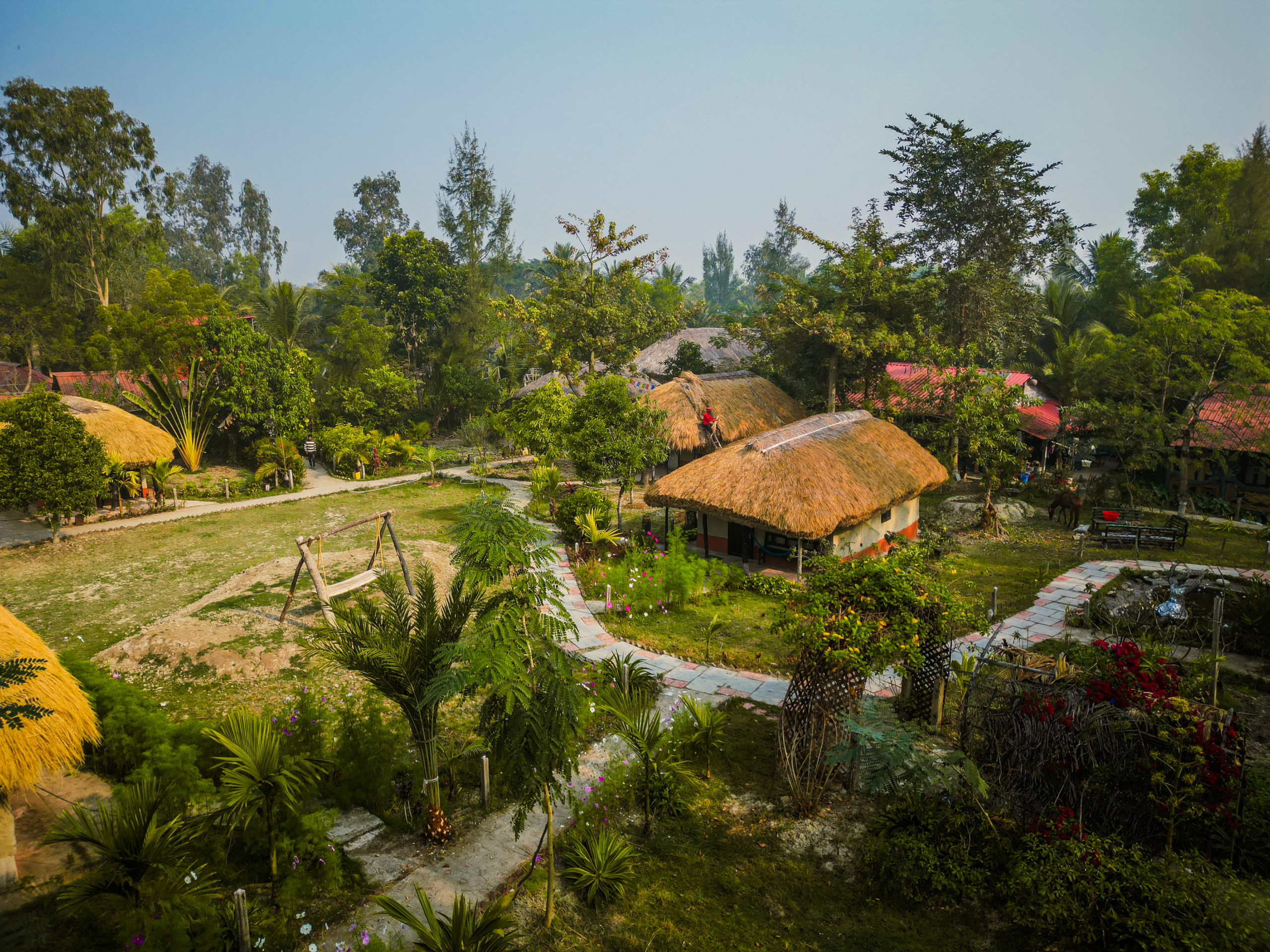
Tour de Sundarbans also positions its eco-village as a comfortable nature stay. Moreover, you can also experience mud cottages, premium rooms, local cultural evenings, and guided jungle experiences. That kind of setup suits a short, structured trip.

Which places should you visit on Day 1?

Day 1 should stay focused. Arrive, enter the reserve, and complete one strong safari circuit. That gives you time to settle in before the next morning’s early movement.

Sajnekhali should be your first major stop

Sajnekhali Wildlife Sanctuary is one of the most important places to visit in Sundarban. The official reserve site lists its mangrove interpretation centre, turtle and crocodile pond, watch tower, and sweet water pond as main attractions.

This is the best place to understand the landscape first. You see the mangrove ecosystem, local wildlife, and forest orientation in one stop.

It also works well for birdwatching. The reserve’s biodiversity and freshwater ponds make sightings more likely around the sanctuary zone.

What should the first boat safari cover?

Your first safari should stay close to the main channels. The Sundarban tourism zone depends on boat movement across creeks and waterways. That makes the river itself part of the itinerary, not just the transfer.

Best Day 1 priorities:

  • Sajnekhali interpretation centre
  • Short creek safari
  • Birdwatching from the boat
  • Resort check-in before dusk
  • Quiet evening for the next day’s early start

The route works best in calmer weather. Tour de Sundarbans recommends October to February as the best period for visiting, when conditions are more comfortable and wildlife activity is stronger.

Which places should you visit on Day 2?

Day 2 should go deeper into the reserve. This is the day for the most scenic and wildlife-rich stops. Start early, because morning hours give the best movement near water and forest edges.

Why is Sudhanyakhali a must-see stop?

Sudhanyakhali is one of the most famous places to visit in Sundarban. The official reserve site describes it as a mangrove park with a sweet water pond and a watch tower with observation lines. It is designed for wildlife viewing.

The spot is especially useful for travellers who want a classic Sundarban experience. You get forest views, freshwater attraction points, and a chance to observe animals from a safe platform.

Its position near Sajnekhali also makes it easy to include in a day route. That is why it stays central to most short itineraries.

What makes Dobanki different from every other stop?

Dobanki is known for its canopy walk. The aerial pathway gives tourists a high forest view and ends at a watch tower over a wide mangrove expanse. It is one of the most distinctive experiences in the region.

That matters because it changes your perspective. Instead of seeing the forest only from water level, you also see it from above.

The Dobanki canopy walk is about 400 metres long and takes around two hours by boat from Sajnekhali. That makes it ideal as a planned Day 2 stop.

Should Burirdabri or Netidhopani be added if time allows?

Yes. Burirdabri is excellent for a fuller Sundarban experience. The reserve site says it includes a mud walk, cage trail, and a watch tower overlooking Bangladesh across the Raimongal boundary.

Netidhopani is also worth considering. Moreover, it has the ruins of a 400-year-old temple and a watch tower. That gives the day a historical layer as well.

Stop

Best for

Time feel

Sudhanyakhali

Wildlife viewing

Early morning

Dobanki

Canopy walk and forest views

Late morning

Burirdabri

Mud walk and boundary views

Midday

Netidhopani

History and temple ruins

If the route allows

If you are short on time, choose Sudhanyakhali and Dobanki first. They give the strongest visual contrast in one day.

When is the best time to visit Sundarban?

Tour de Sundarbans says October to February is the best travel window. It points to lower humidity, better wildlife activity, and more comfortable sightseeing conditions.

That timing also suits short itineraries. Boat rides feel easier. Waiting times feel shorter. Photographs usually look better too.

Season

Travel feel

Best use

October to February

Cool and comfortable

Best for 48-hour itineraries

March to May

Hotter, but manageable

Lower crowd, more heat

June to September

Rainy and less stable

Avoid for quick trips

A local rule also matters now. The Sundarbans Tiger Reserve will stay closed to tourists on Tuesdays from 15 September 2025, according to local reporting on the forest department order. Plan your weekend around that.

What should you pack and how should you travel inside the reserve?

Packing light works best in Sundarban. You move by road first, then by boat. Boats and launches are the only transport inside the reserve.

What should go in your bag?

  • Light cotton clothes
  • A thin jacket for early mornings
  • Sunscreen
  • Mosquito repellent
  • Binoculars
  • Power bank
  • Wet wipes
  • Camera protection
  • Reusable water bottle

These items help on both boat and resort days. They also keep you comfortable during long periods outdoors.

Travellers often underestimate the amount of time spent on water. That is why dry bags and simple clothing make such a difference.

WBFDCL also notes that day visit permits may be obtained at Eco-Tourism Forest Range offices from Gadhkhali and Jharkhali, with Nature Guider Service where applicable. That helps explain why organised travel feels easier.

How do permits, safety, and local rules work?

Sundarban is a protected reserve, so entry is regulated. Permission for entry can be obtained from the Office of the Field Director, Sundarban Tiger Reserve, Canning, with entry fees, boat fees, camera fees, and other charges.

It also says foreigners need a special permit from the Joint Secretary, Forest Department, Writers Building, Kolkata. That is important for international travellers.

What rules matter most for a short trip?

  • Travel with a licensed operator or guide.
  • Keep to approved routes.
  • Avoid unplanned forest entry.
  • Respect the weekly no-tourist day.
  • Carry ID and permit details.

The safest trips are the most organised ones. That is where a local operator adds value. Tour de Sundarbans structures travel around stays, routes, and on-ground comfort. Moreover, you an experience eco-village accommodation, cultural evenings, and guided nature experiences designed for responsible tourism.

Why should Tour de Sundarbans be part of your plan?

Tour de Sundarbans positions itself as a guided eco-stay and tour operator with strong local experience. The eco-village spans 6 acres and includes mud cottages, premium rooms, and jungle-facing experiences.

That helps on a 48-hour trip. Short itineraries need less confusion and more timing support.

The brand also highlights boat-based experiences, local culture, and responsible tourism. Those elements fit a compact Sundarban itinerary well.

For travellers starting from Kolkata, that support matters. It reduces planning stress and keeps the itinerary focused on the right places to visit in Sundarban.

FAQ

How many days are enough for Sundarban?

Two days are enough for a focused first trip. A 48-hour plan covers Sajnekhali, Sudhanyakhali, Dobanki, and one extra stop if the tide and timing allow.

What are the top places to visit in Sundarban? 

Sajnekhali, Sudhanyakhali, Dobanki, Burirdabri, and Netidhopani are among the main tourism spots listed by the reserve.

Is a tiger sighting guaranteed in Sundarban? 

No. Tiger sightings are never guaranteed. The best you can do is visit strong wildlife zones early in the morning and follow an organised route.

When is the best month for a Sundarban trip from Kolkata? 

October to February is the best window for most travellers. The weather is easier, and wildlife viewing usually becomes more comfortable.

Do I need a permit for Sundarban? 

Yes. The reserve requires entry permission, and foreigners need a special permit. Day visitors may also use approved eco-tourism range offices where applicable.

Conclusion

A well-planned Sundarban trip feels calm, not rushed. The best 48-hour journey balances boat travel, watchtowers, and quiet forest time. Sajnekhali, Sudhanyakhali, Dobanki, and Burirdabri give you the heart of the experience. The right season and permit planning make everything smoother. Tour de Sundarbans brings those pieces together into one easy route.

Talk to Tour de Sundarbans and plan your perfect wild escape.

Ajay kumar shaw

My name is Ajay Kumar shaw
Sundarban is my life line and tigers is what excites me.My aim is to track and document each one of them.

Summary 

Most travellers miss golden hour shots due to poor timing and positioning. Sundarbans offers dramatic sunrise and sunset light over mangroves. Choosing the right sundarban tour package boat is essential. Better routes improve wildlife and landscape photography outcomes. Understanding sundarban tour package price helps plan effectively. Tour De Sundarbans offers curated photography-friendly safaris.

Why Do Photographers Struggle to Capture Golden Hour in Sundarbans?

Capturing perfect light in Sundarbans is not easy. According to photography travel reports, over 65% travellers miss optimal light windows. Many tours follow fixed schedules. This limits access during sunrise or sunset.

You may reach the right spot at the wrong time. That ruins your shot despite good equipment. This guide helps you plan golden hour shoots. You will learn timing, routes, and package choices.

What Makes Golden Hour in Sundarbans So Unique?

Golden hour in Sundarbans feels different. The landscape transforms with light and tides. Soft sunlight reflects on calm waters. Mangroves create layered silhouettes.

You can capture:

  • Golden reflections on river channels
  • Birds in motion against glowing skies
  • Misty morning forests
  • Dramatic sunset frames

The tidal ecosystem adds unpredictability. Each frame looks unique and unrepeatable.

How Does a Sundarban Tour Package Boat Affect Your Shots?

Your boat determines your photography quality. Not all boats are designed for photographers.

Key Boat Features for Photography

  • Open deck for unobstructed views
  • Stable movement for sharp images
  • Smaller boats for narrow creeks
  • Flexible timing for golden hour

Large tourist boats often limit mobility. They miss narrow, photogenic channels. With a boat, routes are flexible. This improves access to prime photography zones.

Looking for a photography-friendly Sundarban tour package boat? Explore curated options today.

When Is the Best Time for Golden Hour Photography in Sundarbans?

Timing defines your results. Golden hour windows are short but powerful.

Ideal Photography Timing

Time

Light Quality

Best Subjects

Sunrise (5:30–7 AM)

Soft and misty

Birds, reflections

Sunset (4:30–6 PM)

Warm and dramatic

Landscapes, silhouettes

Winter months offer clearer skies. October to February is ideal for photographers. Morning shoots are often more productive. Wildlife activity is higher during early hours.

What Is the Sundarban Tour Package Price for Photographers?

Budget planning is important for serious photographers.

Package Price Comparison

Package Type

Duration

Price Range

Best For

1 Day Tour

1 Day

₹2,500–₹4,000

Quick shoots

1N 2D Tour

2 Days

₹5,000–₹8,000

Balanced photography

2N 3D Tour

3 Days

₹8,000–₹12,000

Better light opportunities

3N 4D Tour

4 Days

₹12,000+

Advanced photography

Longer trips offer more golden hour chances. They allow flexibility for weather and light. provides tailored packages. These are ideal for photography-focused travellers.

How Can You Capture Better Golden Hour Shots?

Good gear alone is not enough. Technique and timing matter equally.

Practical Photography Tips

  • Use a tripod or stabilised lens
  • Shoot in RAW format
  • Adjust exposure for highlights
  • Focus on reflections and symmetry
  • Frame subjects using natural lines

Common Mistakes to Avoid

Mistake

Result

Late arrival

Miss golden light

Overexposure

Loss of detail

Crowded boats

Limited angles

Ignoring tides

Poor compositions

Planning each shot improves results. Patience is key in Sundarbans photography.

How Do You Plan a Photography Trip from Kolkata?

Sundarbans is easily accessible from Kolkata. It is ideal for weekend photography trips.

Travel details:

  • Distance: Around 100 km
  • Travel time: 3–4 hours
  • Mode: Road and boat transfer

Most packages include transport and meals. This simplifies logistics for photographers. Choosing the right operator ensures flexibility. This is critical for capturing golden hour.

FAQs

What is the best time for photography in Sundarbans?

Golden hour during sunrise and sunset works best. Light is soft and warm. Early morning also offers mist and active wildlife, making it ideal for capturing dynamic and scenic shots.

Which Sundarban tour package boat is best for photographers?

Boats with open decks and flexible routes are ideal. Smaller boats allow access to narrow creeks. Operators like Tour De Sundarbans provide photography-friendly setups and guided experiences.

How much does a Sundarban tour package cost?

Prices range from ₹2,500 to ₹12,000 or more. Cost depends on duration and inclusions. Longer packages offer better photography opportunities and flexible scheduling.

Is Sundarbans good for wildlife photography?

Yes, it offers birds, deer, and rare tiger sightings. The mangrove ecosystem creates unique backdrops. Golden hour enhances wildlife shots with dramatic lighting.

Do I need professional gear for Sundarbans photography?

Basic DSLR or mirrorless cameras work well. A zoom lens helps capture wildlife. Good timing and positioning matter more than expensive gear.

Conclusion

Golden hour in Sundarbans is magical. But capturing it requires planning and patience. The right timing, boat, and package matter most. Every detail affects your final shot. With expert guidance, you can create stunning visuals.

Explore photography-focused sundarban tour packages today. Talk to an expert at Tour De Sundarbans and plan your shoot.

mrinmoy Mondal

As a local resident, I’m passionate about sharing real-life stories of the Sundarbans – its people, their struggles, and their inspiring triumphs.

Summary

Travellers want authentic local food, not generic hotel buffets. Farm-to-table dining supports freshness, health, and sustainability. Sundarbans eco-resorts offer locally sourced, seasonal meals. Experience village cooking, organic farming, and cultural food rituals. Choosing the right eco resort near Kolkata enhances the entire trip. Tour De Sundarbans delivers true ecotourism in Sundarban with real food experiences.

Why Are Travellers Seeking Farm-to-Table Experiences in Sundarbans?

Finding fresh, authentic food while travelling is hard today. According to Research Gate reports, over 70% of travellers prefer local cuisine over hotel food. Many resorts still serve standard menus with little local touch. This disconnect reduces the cultural depth of travel.

This blog shows how ecotourism in Sundarban solves this. You will learn where to find real farm-to-table dining and why it matters.

What Does Farm-to-Table Mean in an Eco-Village Resort?

Farm-to-table means food comes directly from local farms to your plate. No long supply chains. No heavy processing.

At an eco-village resort, this concept becomes more meaningful. Food reflects the land, seasons, and community.

You often eat what is grown nearby. Vegetables, rice, and fish are sourced locally.

This creates:

  • Fresher meals with better nutrition
  • Support for local farmers
  • Reduced carbon footprint
  • Authentic cultural flavours

In Sundarbans, this includes fresh river fish, organic vegetables, and traditional recipes.

How Do Eco Resorts Near Kolkata Source Their Food?

Eco resorts in Sundarbans rely on hyperlocal sourcing systems. This ensures freshness and sustainability. Food sourcing typically includes:

  • Vegetables from nearby farms
  • Fish caught daily from local rivers
  • Spices and herbs grown in village gardens
  • Poultry from small-scale local farms

What Local Food Experiences Can You Expect at an Eco Resort?

Staying at an eco-resort near Kolkata offers more than meals. It delivers a cultural journey through food. You can expect:

  • Traditional Bengali thalis with seasonal dishes
  • Fresh fish curries like hilsa and prawns
  • Wood-fired cooking methods
  • Meals served in eco-friendly settings
Some resorts also offer:
  • Live cooking sessions
  • Village food walks
  • Cultural evenings with local cuisine

This makes dining both educational and immersive.

Why Is Farm-to-Table Important for Eco Tourism in Sundarban?

Farm-to-table is not just a trend. It is essential for sustainable travel.

Key Benefits for Travellers and Environment

Benefit

Impact

Freshness

Higher nutrition and taste

Sustainability

Lower carbon emissions

Local Economy

Supports farmers and fishermen

Cultural Value

Preserves traditional recipes

In fragile ecosystems like the Sundarbans, this approach matters more. It reduces pressure on external supply chains. It also aligns with responsible tourism practices.

Which Eco Village Resort Offers the Best Food Experience?

Choosing the right stay makes a huge difference. Tour de Sundarbans offers one of the most authentic experiences.

Here’s why:

  • Food is sourced locally every day
  • Meals reflect real Sundarbans culture
  • Guests can engage with local cooking traditions
  • Eco-village setup ensures sustainability

Unlike commercial resorts, this is not staged. It is real, raw, and deeply rooted.

Want to experience real ecotourism in Sundarban? Explore their eco-village packages today.

Frequently Asked Questions

It means food is sourced locally from farms and rivers. Meals are fresh, seasonal, and minimally processed. This supports sustainability and offers authentic flavours unique to the region.

Yes, reputed eco-resorts maintain strict hygiene standards. Food is freshly prepared using clean local ingredients. Always choose trusted operators like Tour de Sundarbans.

You can expect Bengali cuisine with fresh fish, rice, vegetables, and local spices. Meals are simple, nutritious, and cooked using traditional methods.

Eco-village resorts offer authentic experiences, local food, and cultural immersion. Hotels often lack this connection to the environment and community.

The Sundarbans are around 100 km from Kolkata. It takes 3–4 hours by road and boat. This makes it a convenient ecotravel destination.

Conclusion

Farm-to-table dining transforms your travel experience. It connects you with the land, people, and culture. In Sundarbans, this becomes even more powerful. Every meal tells a story of nature and community.

If you want a meaningful escape, choose wisely.

Explore authentic eco-village experiences with Tour De Sundarbans. Book your eco-resort stay today and taste the real Sundarbans

Rajesh Kumar Shaw

Rajesh Kumar Shaw loves the Sundarbans and passionately guides every visitor, sharing its stories and spirit through his own lived experiences.