
About admin

admin

Entries by admin

Month-by-Month Travel Guide to Sundarbans: Weather, Wildlife & Highlights

A visit to the Sundarbans may be a dream, but when you want to do it, it must be done at the right time. Every month has its own experience, and it could be a green mangrove and a serene river to the sight of rare wildlife and a nice climate. 

This month-to-month travel guide will guide you to the appropriate time to visit the Sundarbans, depending on the climate, wildlife activity, and travel highlights, so you can plan your trip with certainty.

sundarban tourism

January – March: Winter Bliss and Best Wildlife Viewing

The most comfortable season to visit the Sundarbans is winter. The climate remains cool, dry, and favourable, which makes boat safaris easy and enjoyable.

Weather Conditions

The temperatures in these months vary between 15 °C and 25 °C. It is dry, and the rainfall is negligible; therefore, long boat trips and walks in the jungle are very comfortable.

Wildlife Highlights

This is the season with the best opportunities for wildlife sightings. Living animals tend to emerge to enjoy the sun at the banks of rivers.

  • Royal Bengal Tiger (infrequent occurrences)
  • Spotted deer and wild boar
  • Crocodiles lie on the muddy banks.
  • Large numbers of migratory birds.

Travel Experience

It is the season of peak tourism. The travellers mostly want to reserve a Sundarban tour package boat in winter since the water level is at its best and visibility is clear.

April to June: Summer Adventures and Raw Nature

The Sundarbans during summer are hot and humid, and at the same time show the uncouth and wild face of this unique ecosystem.

Weather Conditions

The temperatures may go up to 38 oC, and the humidity is high. It can be hot in the afternoon, but mornings and evenings are bearable.

Wildlife Highlights

Animals tend to frequent water bodies due to heat, and hence, when their location is in the water, the sightings are more likely.

  • One can find tigers along waterways.
  • Snakes and monitor lizards are examples of reptiles.
  • Birds are active early in the mornings.

Travel Experience

There are fewer tourists during this season, hence fewer waterways, less noise, and a peaceful safari. The Sundarban tour package price in Kolkata tends to be a bit cheaper in summer for travellers who seek low-end prices.

July-September: Monsoon Magic and Lush Landscapes

The Sundarbans is a green paradise made by the monsoon. This season is perfect for nature lovers who love the scenery that has been washed by the rain, as well as the dramatic skies.

Weather Conditions

It is characterised by heavy rains and humidity. The currents of rivers are even more powerful, and certain areas in the interior can be hard to get to.

Wildlife Highlights

Sightseeing minimises wildlife viewing since high foliage cover exists, yet the ecosystem flourishes.

  • The fishing in freshwater.
  • Frogs, crabs, and insects are more visible.
  • Mangrove seems to be greener and richer.

Travel Experience

Weather conditions may restrict the boat safaris. Nonetheless, photographers and slow travellers are drawn by the calm atmosphere and reduced number of tourists.

October through November: Post-Monsoon Beauty and Festival Season

The time is characterised by a shift in weather to the pleasant one and a resurgence of travelling activities within the Sundarbans.

Weather Conditions

The temperatures are between 20 oC to 30 oC. The rainfall reduces, and the climate becomes cool and pleasant.

Wildlife Highlights

With the drying up of the forests, animals begin to move freely.

  • Increased deer movement
  • Active birdlife
  • Crocodiles seen sunbathing

Travel Experience

It is a great place to visit as a family or a first-time visitor. It is also because boat safaris are back to full and most travellers begin to plan their Sundarban tour package boat trips in this season.

December: Party Spirit and High Travel Season

The month of December is one of the most preferred months to visit Sundarbans due to the holidays and the ideal weather.

Weather Conditions

The weather is cool and dry and has temperatures ranging between 18°C and 26 o C. Evenings are somewhat cold.

Wildlife Highlights

The visibility is enhanced by the clear weather over the creeks and watchtowers.

  • Birds in large numbers
  • Occasional tiger movement
  • Active river life

Travel Experience

December has the best overall experience, and it is also highly demanded. This busy season can be handled when the Sundarban tour package price in Kolkata is planned early.

The Sundarbans in Brief: Best Time to Visit

Although the Sundarbans may be visited any time of the year, the best time will depend on your intentions:

  • To wildlife and comfort: January to March.
  • To save money and not so many people: April to June.
  • To see the beauty of the scenery: October-November.
  • On holidays and festivals: December.

Conclusion

The Sundarbans is not a place to visit but rather a living, breathing world that varies in an amazing way in accordance with each season. If you like cool winter safaris, rich monsoon sceneries, and silent summer escapades, you will find the right time. 

Knowing the monthly weather patterns and the activity of the wild animals will enable you to plan a more comfortable and more successful trip. Select the time of the year that suits your travel style, and the mangroves will narrate their eternal story.

FAQs

When is the best month to visit Sundarbans?

The months are the most suitable months to visit Sundarbans because during this time of the year, the weather is good and wildlife viewing is more common in this season.

Is Sundarbans worth visiting during the monsoon?

Yes, it is not usually dangerous, yet heavy rains may restrict the boat safaris and access to certain places. It is possible to change travel plans based on the weather.

How many days should there be in a Sundarbans trip?

A weekend trip to the country lasting 2-3 days will be best to cover major waterways, boat safaris, and local culture without any time constraints.

Do I require special permission to travel to the little-known regions of the Sundarbans?

Yes, some offbeat and forest-core regions need the permission of the forest department. Authorised tour operators normally schedule these permits, and thus the visitors are not required to go about individually when it comes to this kind of permit.

Are there families and old people going to offbeat locations in the Sundarbans?

Yes, families and senior citizens may visit offbeat places within the Sundarbans when the itinerary is not very strict and directed. The boat rides, walks in the village, and visits to the watchtower are usually all-low age events.



Ultimate Travel Guide: Kolkata to Sundarbans by Road, Train & Boat

The Kolkata-Sundarbans trip is a thrilling ride whereby the traveller goes through the urban streets, countryside, rivers, and mangrove forests. The Sundarbans are situated approximately 100 kilometres around Kolkata, and there are various ways to get there based on your budget, time, and comfort. 

You can decide on a hassle-free road trip, a sightseeing train ride, and then transfer to a boat, or you can opt to go on a full air voyage on a river, and the experience is different. This travel guide will clarify all the possible options of visiting Sundarbans in Kolkata, routes, time taken, and tips, and make your visit to this marvellous natural site a hassle-free and memorable one.

The Journey From Kolkata to Sundarbans

Sundarbans is the most distinct tourist area in India, which is characterised by mangrove forests, rivers, and wild animals. It is a nature lover’s, photographer, as well as an adventure seeker’s destination, some few hours away from Kolkata. This guide is a practical and easy-to-follow description of the process of going to Sundarbans in Kolkata by road, train, and boat.

Why the Sundarbans Is Worth Visiting?

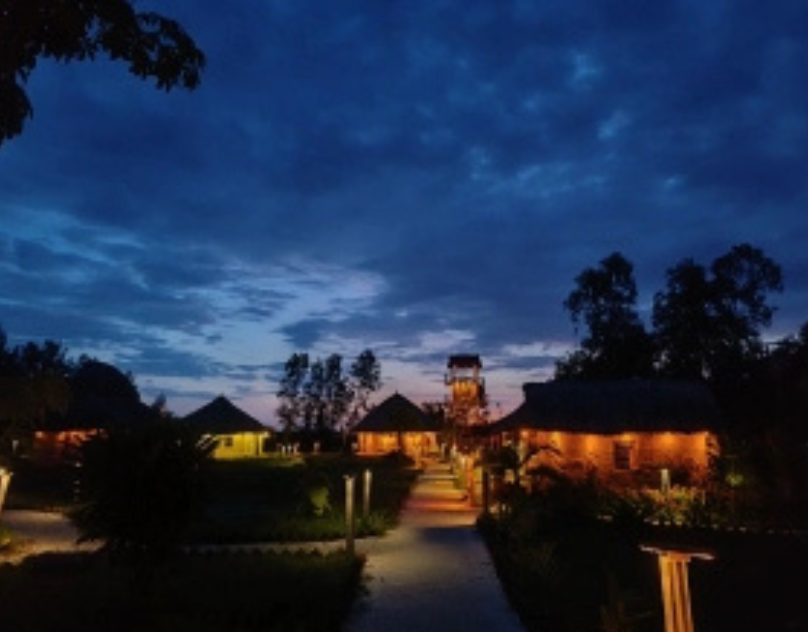
sundarban eco village resort

The Sundarbans is a world heritage site by UNESCO and the biggest mangrove forest in the world. It harbours the royal Bengal Tiger, crocodiles, spotted deer, as well as hundreds of bird species. A Sundarban tour plan is an option where many travellers will enjoy nature, the local culture, and peaceful river cruises.

Kolkata to Sundarbans by Road

One of the most accommodating methods of accessing the Sundarbans is by road in order to reach the Sundarbans from Kolkata. It is perfect with small groups and families that like to be comfortable and have convenience.

Road Route and Distance

Travel by road is commonly initiated from Kolkata and towards Godkhali, Sonakhali, or Namkhana. These are the primary ports of Sundarbans. It is approximately 100 km, and the ride lasts 3 to 4 hours based on the traffic.

Best Time to Travel by Road

Surging morning travel is not advisable to ensure that one reaches the jetty on time and avoids the traffic in the city. The majority of the travellers on a Sundarban tour programme would agree to take early starts in order to have a chance of spending the day on boat trips.

Kolkata to Sundarbans by Train

Train travel is also a cheap and convenient way of getting to the Sundarbans. It is appropriate for individual travellers and travellers who love the local travel experience.

Train Routes from Kolkata

There is a local train that runs between Sealdah Station and Canning. The trip is approximately 1.5 hours. Canning provides shared car or personal vehicles to transport one to the boat jetty.

Tips for Train Travellers

  • Take morning trains so that you have a smooth ride. 
  • It is good to have a buffer time since the local transport might be slow after the train ride.
  • Most of the Sundarbans tour packages that are organised use trains so as to save money.

Travelling to the Sundarbans by Boat

The most interesting thing in the Sundarbans journey is the boat travel. The only means of exploring the forest areas is through rivers and creeks.

Famous Boat Boarding Locations

The most frequently used jetty is Godkhali. Here, motorboats ferry travellers into the depths of Sundarbans. The village life, mangroves, and rivers are all scenic to see on the boat ride.

What You See on the Boat Ride

You will see birds, mudskippers, and local fishermen on the road. A Sundarban tour, 2 nights, 3 days normally gives one a guided boat safari, and the journey is an education and a relaxing experience.

When To Visit The Sundarbans?

It matters a lot when choosing the right season in order to enjoy the general experience. Here, both the weather and wildlife movement are important.

Ideal Months for Travel

The most appropriate time to visit is between October and March. The climate is favourable, and chances of wildlife viewing are higher. Summers are humid and hot, and the months of monsoon are relatively inaccessible.

Seasonal Travel Advice

Family and elderly travellers love winter. When you are making sundarbans tour package booking, cold seasons tend to be booked early, and hence it is better to make early arrangements.

Where to Stay in the Sundarbans

The available accommodation includes an eco-resort to budget accommodation. The majority of the stays are along rivers or within villages.

Types of Accommodation

Eco-resorts offer low-end, local food and guided. tours. They also match the nature and are popular among the travellers who are on the Sundarban tour 2 nights 3 days itinerary.

What to Expect During Your Stay?

The rooms are basic and clean. There might be electricity shortages in certain places. Lack of luxury is compensated for by the serene environment and natural beauty.

Sundarbans Sightseeing

The Sundarbans has its own nature and local life activities, as opposed to the city-like entertainment.

Wildlife and Nature Experiences

The chief attractions are boat safaris, watchtowers, and walks in the forest. Guides provide information regarding animals, plants, and conservation work. A properly designed Sundarban tour will be the one that is both adventurous and relaxing.Cultural and Village Activities. The variety of tours consists of walks in villages, folk shows, and chain-eating. The experiences make travellers gain knowledge about the way of life of the people of Sundarbans.

Travel Tips for a Smooth Sundarbans Trip

An enjoyable journey is safe and will last long, particularly in a forest area with proper preparation.

What to Pack

Bring light cotton garments, sunscreen, insect repellent, and simple drugs. The Sundarbans tour packages include boat rides, which are good for watching birds using a pair of field glasses.

Safety and Responsible Travel

Always adhere to the instructions of the guides and the forest rules. Littering and wildlife should be avoided. Responsible travelling is to conserve this delicate ecosystem.

Conclusion

A trip to Sundarbans is an experience that one can never forget when scheduled in advance. Whether it be road, train, or boat, there is something different in each way. A well planned sundarban tour, 2 nights 3 days, will give you the opportunity to relax in nature, wildlife, and local culture. When you have the correct Sundarban tour plan, travelling becomes an easy, secure, and, in fact, memorable experience.

FAQs

Q1: What is the minimum number of days required on a Sundarbans trip?

It will be better to spend 2 to 3 days visiting the main attractions of the country, have boat safaris, and take a rest without being in a hurry.

Q2: Is Sundarbans a family-friendly destination?

Yes, it is safe for families to follow the usual rules of travelling with a tour guide and authorised boats, in case of the observance of the usual rules.

Q3: Do Sundarbans tours include meals?

Simple local meals are part of most organised Sundarbans tour packages.

Top Sundarban Tour Operators: How to Choose the Right One

The Sundarbans is not just any other destination that one wants to plan a trip to. It is a trip to one of the most secret, wild, and ecologically vulnerable areas of the world. Sundarbans is very densely covered with mangrove forests, meandering river channels, rare wildlife, and the legendary Royal Bengal Tiger, which requires special planning and, most importantly, the right sundarbans tour operator.

The selection of the appropriate Sundarban tour operator can result in a hurried sightseeing tour or a more involving, secure, and satisfying jungle adventure. Here are the steps that you will follow in this guide to find out how to find the best operators and what you really need to know before making the booking.

Why the Sundarban Tour is Different

Sundarbans are not a normal tourist spot where hotels are located everywhere, and cabs are available on call. It is a conserved biosphere, a tidy woodland, and an unstable ecosystem that requires responsible tourism.

It is necessary to know what type of experience to expect and what is unique about this region before deciding to choose an operator.

Why Sundarbans Should Have Specialised Tour Operators

Sundarbans have a complicated terrain, which is subject to constant movement under the influence of tides and river currents. Most navigation occurs via boats, and movement in various forest areas is highly controlled. A professional tour operator should comprehend:

  • Forest permit systems and entry regulations.
  • Sacrifice of safe creek and river navigation routes.
  • Animal behaviour and safety guidelines.
  • Handling of emergencies in remote locations.

It is not a destination for casual or ill-planned travel arrangements.

Role of Responsible Tourism in Sundarbans

Sundarbans is highly susceptible to human activity. Good tour operators adhere to the principles of eco-tourism, including:

  • Limiting plastic usage
  • Sensitivity to wildlife.
  • Empowering the local communities.
  • Eschewing noisy and disruptive physical activities.

The operator that you select directly affects your experience and the future of this special forest.

The major attributes of a trustworthy Sundarban Tour Operator

Not all tour operators are equally good at service, safety, and authenticity. There are those who are interested in fast money as opposed to those who are interested in the ecosystem and the experience of their guests.

These are the most critical attributes to consider before making a choice.

Local Expertise and Experience.

An experienced operator who has been in the business for years knows:

  • The seasonal variations in the forest.
  • The most favourable areas to see wildlife.
  • Secured anchoring and cruising avenues.
  • Climate conditions and low tides.

There is no value attached to the local knowledge in a place such as the Sundarbans, where the circumstances may shift in a matter of hours

Health and Safety Standards and Trained staff 

A forest area such as this should not harbour safety issues. A good operator will have:

  • Professional naturalists and leaders.
  • Communication systems and emergency requirements.
  • Safety equipment, first aid, and life jackets.
  • Precise briefing prior to entering the forest.

This is because it is always important to ensure that the staff is trained and has experience in dealing with forest conditions.

Itinerary and Inclusions Transparency

It will be explicitly explained by a credible tour operator:

  • What the package includes.
  • What is the number of planned safaris or visits to the forest?
  • Kind of accommodation and transport
  • Food programmes and exercise regimes.

Eschew operators who maintain things ambiguous or who offer unrealistic wildlife viewing.

Tour Packages and Itineraries Assessment

Sundarban tour packages are available in most forms, ranging from brief one-day tours to in-depth multi-day jungle packages. The right option will be determined by the extent of exploration of the region.

Knowing what a good itinerary is will assist you in not taking hurried and shallow tours.

Short Tours vs Long Wildlife Experiences

Tours of under one day can provide you with a brief orientation, but most extended tours can provide:

  • Additional access to forests.
  • Further digging of river channels.
  • Walking around the village and cultural exchange.
  • A greater possibility of wildlife sightseeing.

Ample time permitting, a more extended itinerary will almost always pay off.

A Compromise between Comfort and Adventure

A Sundarban trip that is well-designed balances:

  • Comfortable and clean stay
  • Authentic local food
  • Such adventure activities include creek explorations and boat safaris.
  • Such cultural experiences include folk performances or visits to the village.

It is not about luxury, but the comfort in the middle of nature.

Not Overcrowded and Rushed Schedules

Other operators attempt to fit too many activities in a limited period of time. This often results in:

  • Constant rushing
  • Reduced time in central forested places.
  • This is more time of transit than exploration.
  • An excellent itinerary is not tiring but rather easygoing.

Significance of Eco-Friendly Operations and Local Engagement

The present and future of Sundarbans are greatly reliant on the conduct of tourism in the present day. The responsible operators have a significant role in keeping this delicate environment developing.

Selecting an eco-conscious tour operator is more than ethical; it is also more likely to result in a more satisfying travel experience.

Sustainable Stays and Low Impact Tourism

Green operators tend to centre on:

  • Nature built or constructed cottages.
  • Solar power or low-energy systems.
  • Reduction of plastic and waste management.
  • Low levels of disturbance to wildlife habitats.

The practices make the forest healthy and the experience more natural.

Empowering Local Communities

Good tour operators engage the local people through active participation as:

  • Boatmen and guides
  • Actors and narrators.
  • Kitchen and hospitality employees.
  • Nature interpreters

This not only sustains livelihoods, but it also provides the travellers with a greater cultural attachment to the region.

Reviews, Reputation, and Real Guest Experiences

Reputation is more important than advertising in a destination such as Sundarbans. The actual experiences of guests tend to divulge the actual quality of a tour operator.

Research the comments of former travellers before making the reservation.

Conclusion

A Sundarban visit is not a holiday; it is also an experience of one of the most amazing ecosystems in the world. The right tour operator will make this trip a safe, meaningful, and memorable experience, whereas the wrong one can turn it into a hasty and superficial adventure.

When you want to have a tour experience that is a combination of deep forest adventure, responsible tourism, local culture, and a long history of reliable experience, the name that comes to mind is Tour De Sundarbans, which has always provided true and immersive tour experiences. They are a sure thing because of their eco-conscious attitude, carefully planned experiences, and a long-standing reputation that has allowed them to serve as a reliable destination for any person who is interested in experiencing the soul of the Sundarbans, rather than visiting it.

FAQs

  1. What are the perfect days to have a Sundarban tour?

The right amount of time to visit the forest is 2-3 nights to have time to visit several safaris and get to know the local culture.

  1. Is Sundarbans safe to see with a tour operator?

Yes, but you must be sure to select a qualified and registered tour operator who strictly adheres to forest regulations and safety measures.

  1. When is the best time to visit Sundarbans?

October to March is the best season as the weather is conducive and animals are more active in their movement.


How to Book a Sundarban Tour Online: Step-by-Step Guide

It is no longer a complicated task to plan a trip to the largest mangrove forest in the world. Nowadays, one can book a Sundarban tour on the Internet with ease and speed and with much greater security than by relying on local agents or last-minute arrangements. It is up to you, whether it is a leisurely wildlife tour or a day out in Kolkata, online booking will provide you with the power to control your trip.

An organised Sunderban tour is not simply about watching tigers; it is an opportunity to experience rivers, forests, village life, and unique culture. This guide will instruct you on how to select the correct Sundarban tour package and book online without having to puzzle and pressure.

What Type of Sundarban Trip Do you want to understand?

It is also essential to have an idea of what sort of experience you want before making any booking. The Sundarbans have varied programmes of trips to various classes of travellers.

Choose the Time of Your Trip

There are those who seek a fast escape and those who want to be engaged in a relaxing and involving experience. You can choose from:

  • One day tour around Kolkata, if you are in a hurry.
  • A 2-day 1-night tour of a fast wildlife experience.
  • 2 nights, 3 days or more excursion in the deep forest.

The time you have will determine the Sundarban tour package that fits you.

Select the Type of Experience

Not every Sundarban voyage is equal. Others are sightseeing oriented, others wildlife safaris oriented, and others oriented towards the culture of the place. Think about whether you want:

  • More jungle safaris
  • Greater village and cultural experiences.
  • A relaxed nature stay
  • A tourist tour or an adventure tour.

This conciseness will assist you in choosing the correct package during online booking.

Research on the Right Sundarban Tour Package Online

After you have a vision of the type of trip you desire, the second step is to search online. This is a very crucial step as it determines the quality of your total journey.

Compare Tour Itinerary Selections

Various packages come in with varying inclusions. While comparing, check:

  • Number of days and nights
  • Number of jungle safaris
  • Rides in boats and visits to watchtowers.
  • Village walks and cultural programmes.
  • Eating and accommodation or not.

An excellent Sundarban tour package will always include or exclude what it has.

Check Photos, Videos, and Trip Details

To be regarded as a reliable tour page, one should contain actual photos, a detailed itinerary, and an explanation of the experience. This will make you know what sort of environment, stay, and activities you will get to experience on your Sunderban trip.

Review, Check, and Trust Before Booking

Online booking is very convenient, yet it must be safe and reliable. This is the reason why it is so important to check trust indicators.

Read Traveller Reviews Carefully

Look for:

  • Google reviews
  • Travel platform ratings
  • Real customer experiences

Focus on remarks concerning food quality, safety, guide behaviour, and experience overall. This provides you with a true picture of the expectations.

Seek Awards and Recognitions

Travel platforms and tourism bodies identify a number of reputed operators. The recognitions imply quality service and consistency.

Learn What Is Included in the Package Price

The package inclusions must always be read before clicking on the Book Now button. This prevents confusion and later unfavourable costs.

Standard Inclusions in a Sundarban Tour Package

Most good packages include:

  • Pickup and drop off at some point.
  • Accommodation
  • All meals during the tour
  • Permits for boat safari and forests.
  • Local tour and introductory activities.

Cheque Exclusions and excess charges

Also, determine whether the following are not included:

  • Personal expenses
  • Camera fees
  • Tips or special activities
  • Premium room upgrades

It is better to know this beforehand so that you can plan your budget better when you come to Sundarban.

Check Availability and Good Season Pre-Booking

Time is a factor that determines how pleasant your trip is going to be. The Sundarbans evolve in terms of mood with each season.

Visit Sundarbans: The best time

The best season is normally in between:

  • Favourable weather between October and March.
  • Sightseeing and safari are better during cooler seasons.
  • There are also summer and monsoon tours, and the experience will be different.

Check Live Availability Online

Good tour websites show:

  • Available dates
  • Sold-out dates
  • Limited seat alerts

Ensure that the place is available prior to payment, particularly during the peak season or during holidays.

Step-by-Step Booking a Sundarban Tour Online

Your research is over, and now you have to make the actual tour booking. The process of online booking is normally very easy and convenient.

  • Step 1 Select Your Preferred Package.
  • Step 2 – Select Date and Number of people.
  • Step 3 – Fill in Basic Details
  • Step 4: Pay online safely.
  • Step 5 Receive Confirmation and Tour Details.

Prepare Your Sundarban Trip after Booking

  • Pack Smart and Light
  • Adhere to Forest and Safety Rules.

Why Booking Online is superior to booking offline

  • Transparency and Clarity
  • Enhanced Planning and Peace of Mind.

Conclusion

The best way to enjoy a smooth, safe, and enjoyable trip to Sundarban is to book the tour online. The entire process of selecting an appropriate Sundarban tour package, all the way through to reserving seats and making arrangements in advance, becomes an easy and orderly one.

Tour De Sundarbans provides one of the most carefully planned tours and accommodations in this magical forest, should you be seeking a reliable, sustainable, and experience-oriented way of exploring this wonderful forest. The journey is very special just due to their experience and the unusual activities that they do, as well as a strong attachment to the Sundarbans. To organise your next trip to the Sunderbans with ease and taste, you need not go far; visit their official site and select the package that will best suit you.

FAQs

  1. Is it possible to reserve a Sundarban tour online for a short trip around Kolkata in 1 day?

Yes, several tour operators have 1-day and 1-night short trip packages that are ideal for quick escapes out of Kolkata.

  1. Is a Sundarban tour package online booking safe?

Yes, when you make a booking with a recognised and highly rated tour operator, then online booking is secure, transparent, and comfortable.

  1. When should I book my Sundarban trip?

Booking at least 1-2 weeks in advance is advisable during the normal season and even earlier during peak tourist months or long weekends.

Why Eco Tourism is the Future of the Sundarbans

The Sundarbans is not only a tourist attraction site, but one of the most sensitive and precious ecosystems in the world. The dwelling of the royal Bengal Tiger, the rare mangrove forest, and a special system of tidal rivers need protection as much as they deserve appreciation. Sundarban eco tourism is taking the form of the most responsible and meaningful means of visiting this magnificent land, as more and more travellers become aware of their effects on nature.

Eco-tourism at Sundarbans is not about luxury but about balance. It is a natural experience, and at the same time, it makes sure that nature will live and prosper in the coming generations.

Learning about the Fragile Ecosystem of the Sundarbans

Sundarbans is part of one of the most sensitive areas physically in the world. Tourism in this case should be done with care, consciousness, and accountability.

It is here that eco-tourism comes in very handy to preserve that which makes the Sundarbans so special, and at the same time enables people to take in the magic.

Why is the Sundarbans ecologically unique?

Sundarbans is the largest mangrove forest in the world and a UNESCO World Heritage. It is a relatively unique ecosystem where land and sea continuously rebuild each other through rivers and tides.

It is home to the Royal Bengal Tiger, estuarine crocodiles, spotted deer, and hundreds of species of birds.

Mangrove forests serve as a natural fence against cyclones and erosion of the coast. Thousands of local families in the region rely on forests and rivers to live.

Due to such a delicate balance, tourism can result in long-term harm when uncontrolled. This is why Sundarban eco tourism is not a fashion; it is a must.

Why Traditional Tourism May Be Damaging?

Conservation is not usually considered in the traditional mass tourism that usually only puts emphasis on comfort and volume.

  • It enhances pollution and plastic waste in rivers and forests.
  • It disrupts wild animals by making a ruckus, overcrowding, and irresponsible safaris.
  • It strains the local resources such as water, fuel, and land.

Eco-tourism will be a resolution to this as it lessens damage and raises awareness.

What Eco-Tourism Really Means in the Sundarbans?

Eco-tourism does not mean simply being in the proximity of nature; it is a lifestyle, a way to be in balance with it, even for several days. The philosophy has influenced a novel form of travelling in the Sundarbans that honours the environment and the local culture.

High-Experience, Low-Impact Travel

  • The main principle of eco-tourism is straightforward: remember, leave footprints.
  • Utilisation of the non-polluting boats and regulated safari trails.
  • Small tourists per trip so as not to crowd.
  • Small consumption of plastics and non-biodegradable substances.
  • Buildings made to harmonise with nature rather than to look like it.

This explains the reason why several travellers nowadays would choose to live in an eco village resort as opposed to a regular hotel.

Education By Experience

Learning is also a part of eco-tourism in the Sundarbans.

  • Learning about the protection of the mangrove forests on the coasts.
  • Knowledge of the folklore, forest traditions, and survival stories in the area.
  • Watching nature instead of running behind its animals to take photographs.
  • These experiences generate a more emotional attachment towards nature.

The Sundarbans: Rise of Eco Village Stays

A significant role in the sustainability of a trip is played by accommodation. Eco-stays in Sundarbans are changing the concept of comfort. Travellers prefer places that are integrated with nature instead of concrete buildings.

What is an Eco Village Resort?

An eco village resort is supposed to co-exist with nature and not fight against it.

  • Constructed with mud, clay, and natural materials.
  • Naturally ventilated and with sun.
  • Utilises local resources and local labour force.
  • Generates significantly low waste and carbon footprint.

These lodgings are serene, quiet, and provide a strong feeling of belonging to the environment.

Nature Without Having to Do Without Comfort

The idea of eco-stays being assumed by many people is that they are synonymous with discomfort. In an actual sense, contemporary Sundarbans Eco Resort ideas are amalgamated:

  • Clean and comfortable rooms
  • Hygienic foodstuff produced using local products.
  • Consider architecture that is home-made.
  • The calm environment that cannot be provided by hotels in the city.

What is considered luxurious here is not marble floors but bird and river and forest air in the waking.

Responsible Wildlife Tourism: A New Experience

The Sundarbans is all about wildlife, and it should never be overridden by human entertainment. Eco-tourism also makes sure that there is no exploration without exploitation.

Jungles and River Cruises in Ethics

Green safaris are concerned with:

  • Strict adherence to the forest department rules
  • Keeping noise levels low
  • Feeding and disturbing animals never
  • Keeping a distance from animals

It is not interference but observation.

Night Life and Interpretation of Nature

Examples of some eco-tourism experiences are:

  • Sound-oriented and not spotting night safaris
  • Bio-glow and star-gazing on rivers
  • Storytelling of forest life and local legends.

These events make people respect the forest instead of making it more of a spectacle.

The Role of Eco-Tourism in Enriching the Local Communities

Sundarban eco tourism has one of the most potent elements in that it brings happiness to the people who are the real residents. Tourism does not only have to make the visitors happy, but also enhance the lives of the locals.

Work and Level of Skill

Eco-tourism creates jobs for:

  • Naturalists, guides, and local boatmen
  • Local cooks, performers, and artisans
  • Traditional skills of construction workers

This minimises reliance on vices such as illegal fishing or deforestation.

Saving Culture and Traditions.

Through eco-tourism:

  • There is local music, folk tales, and theatre.
  • The traditional knowledge is respected and acknowledged.
  • The generation of the youths is proud of the past.

Tourism is a means of culture conservation rather than cultural erosion.

Why the Sundarbans’ Future is in Eco-Tourism

The Sundarbans have already been endangered by climate change, an increasing sea level, and human pressure. It is only the sustainable tourism model that can make sure that this region survives.

Conserving the Environment and Raising Awareness

Eco-tourism helps by:

  • Investing in conservation
  • Building awareness among visitors
  • Lessening environmental degradation with regulated traveling

Each responsible tourist is a spokesperson for the forest.

A Model for the Rest of India

Sundarbans can be turned into a bright example of how tourism and conservation can go hand in hand.

The fact that all Sundarbans Eco Resort and eco villages are thriving proves that people are willing to make meaningful travel decisions as opposed to mindless tourism.

1-Day vs 2-Day Sundarban Tour – Which Should You Choose?

Overview

Tour de Sundarbans offers two very different ways to experience the Sundarbans – a quick “touch and go” 1-day tour, and a more relaxed 1-night/2-day tour. Your choice depends on how much time you have, how deep you want to explore, and what kind of experience you’re looking for.

What You Get on the 1-Day Tour

Cost & Duration

  • Price: ₹3,000 per person (plus 5% GST) 
  • Duration: About a full-day trip, starting early in the morning and returning by evening. 

Itinerary

  • Pickup from Kolkata around 5:30-6:00 am. 
  • Drive to Godkhali (the last road point). 
  • Begin boat safari after permits at Sajnekhali Forest Office.
  • Navigate through mangrove creeks, narrow channels, and try to visit two watchtowers in around 6–8 hours. 
  • Meals: Breakfast on the boat, lunch (veg/non-veg), followed by tea and snacks. 
  • Return to Kolkata by evening (around 8:00-8:30 pm). 

Group Info

  • Group tour, up to 20 people. 
  • Private tour option available. 
  • Minimum of 6 guests needed for group rate, otherwise equivalent cost is charged. 

Why Choose 1-Day Tour

  • Ideal if you have limited time.
  • Gives a quick but meaningful experience of the mangrove forest.
  • Good for birdwatching, short wildlife glimpses, and enjoying the waterways.

Drawbacks

  • Limited time in the forest; you may miss deeper creeks or tunnels.
  • Hectic schedule lots of travel, less rest.
  • You don’t stay overnight, so you miss the experience of being in the mangroves when it is calm or under moonlight.

What You Get on the 1-Night / 2-Day Tour

Cost & Duration

  • Price: ₹4,200 per person (plus 5% GST) 
  • Duration: 1 night stay in Sundarbans, 2 days on boat/safari. 

Itinerary

  • Day 1: Pickup from Kolkata, travel to Godkhali, then start boat safari into the mangrove. 
  • Stay overnight in the Sundarbans (most likely in the Eco-Village or similar) to fully enjoy the forest at dusk and dawn. 
  • Day 2: More boat rides, wildlife spotting, narrow creek exploration, returning by evening. 

Accommodation

  • You stay in their Eco Village, which combines comfort with a very nature-centric feel. 
  • Cottages may be made of mud or natural materials, giving an authentic forest stay. 

Group Info

  • Maximum 20 people per group. 
  • Option to join existing group or book a private tour. 

Why Choose 2-Day Tour

  • More time to explore deeper parts of the Sundarbans.
  • You can experience the forest at night when it’s quieter, more atmospheric, full of different sounds.
  • Better chance for wildlife spotting (birds, crabs, crocodiles, maybe even tigers).
  • Relaxed pace: less rush, more time to enjoy the mangrove creeks and local life.

Drawbacks

  • Higher cost than the 1-day tour.
  • Requires more time away from home.
  • Overnight stay means basic but eco-friendly accommodation, not luxury.

Which Tour Should You Choose?

Here are a few scenarios to help you decide:

  • Short on Time
    Choose the 1-day tour. It’s perfect if you want to see the mangroves, enjoy a boat ride, and return the same evening.
  • Want a More Immersive Experience
    Pick the 1-night / 2-day tour. If you want to feel the forest, listen to nocturnal sounds, and explore with less hurry, this is ideal.
  • Interested in Wildlife Photography or Bird Watching
    The 2-day tour gives more opportunities for early morning or late evening photography.
  • Traveling in a Group or With Family
    A 2-day trip may be more comfortable and fulfilling when traveling with family.

Things to Keep in Mind

  • Refund Policy: For the 1-day tour, group formation and trip cancellation depend on group size. 
  • Permits: Non-Indian guests pay separate permit fees for the Tiger Reserve. 
  • Route Variability: The route may change depending on tide, forest rules, or the Tiger Reserve’s management decisions. 
  • Eco Stay Experience: Staying in the eco-village is rustic. Cottages use natural materials and may have shared facilities.

Final Thoughts

If you are tight on time and want to catch a glimpse of the Sundarbans, go for the 1-day “Touch and Go” tour. It’s efficient, cost-effective, and gives a taste of the mangrove world.

If you have more room in your schedule, the 1-night / 2-day tour is a much more rewarding choice. You will feel the forest, hear the water, and understand the magic of the Sundarbans in a deeper way.

Tour de Sundarbans has designed both itineraries thoughtfully, so whichever you choose, you will feel close to nature and carry lasting memories.

One Day Sundarban Package Tour: A Complete Getaway to Nature’s Paradise.

Desiring to escape the urban mayhem all at once, a One Day Sundarban Package Tour would be the perfect means through which one can be one with nature. Situated where the Ganges, Brahmaputra, and Meghna rivers confluence, the Sundarbans is the largest mangrove delta in the world and a World Heritage Site as classified by UNESCO. The beauty of the area lies in its unspoiled woods, meandering creeks, thickets of mangroves, and the shy Royal Bengal Tiger, all put together, making it the most romantic weekend getaway from Kolkata.

Irrespective of whether you are a solo traveler, a couple looking for privacy and peace, or a group of small friends in search of an adrenaline rush, a Sundarban private tour promises you an experience as per your plan and time.

Why go for a One-Day Sundarban Tour?

A day tour helps you have the best of Sundarbans without chopping off long leaves from your calendar. It is most appropriate for those looking for a short, planned, and emotional trip to the belly of Bengal’s paradise.

Here are the reasons to spend hours on it:

  • Convenient Duration: Ideal for a weekend or a sudden family picnic.
  • Cost-Effective: With high value, fully guided tours, and food.
  • Immersive Experience: River cruise, wildlife taste, and village life all in one day.
  • Hassle-Free Planning: Most tour operators take care of meals, transportation, and permits.

If you are a private traveler, the Sundarban private tour allows more intimacy and flexibility; you decide the pace, visit the off-the-beaten-track sites, and don’t face crowds.

Start from Kolkata: The Journey Begins

The standard Sundarban package tour starts early in the morning from Kolkata, 5:00 to 6:00 AM. You are accompanied in a clean and tidy AC car or tempo traveler, which takes you on the rolling Bengal landscape to Godkhali, the entry point of Sundarbans, at 8:30 AM. You next get into a motorboat which travels through pure backwaters, mangrove islands, and dense forest creeks.

While the boat glides smoothly along calm waters, the open blue sky’s horizon with birds chirping makes it a peaceful location. The sun rising on the horizon presents a breathtaking landscape, a photographer’s paradise. 

The Heart of Sundarban: Mangroves and Wildlife

What makes the Sundarban private tour special is the thrill of discovering a wildlife escapade in a living mangrove forest. The 10,000 sq. km.+ forest is home to over 200 species of birdlife, saltwater crocodiles, spotted deer, and of course, the beautiful Royal Bengal Tiger.

Your boat tour would include famous watchtowers like:

  • Sajnekhali Watchtower
  • Sudhanyakhali Watchtower
  • Dobanki Canopy Walk

All these locations offer stunning panoramic views of the landscape and a chance to witness wildlife in its natural habitat. Mudskippers to fishing cats, every corner of the forest has a survival and adaptation story of tidal wilderness.

Cultural Encounters: Life in the Delta

Apart from the jungles, the human side of Sundarbans is no less interesting. Fishermen, honey gatherers, and farmers who live in villages in perfect harmony with nature occupy the villages. You can stay in these villages during your Sundarban tour package, interact with people, and experience rural life away from city mayhem.

The folk ballads of the Aboriginal tribe, “Bonbibi,” echo with such pious and courageous sentiments. The experience becomes a truly tangible taste with the chance to witness Bengali traditional food preparation by village women or handicraft in preparing hand-made souvenirs.

A Gastronomic Delight on Water

No Sundarban private tour is ever complete without indulgence in its delicious food. Day tours will always include breakfast and lunch on board. You can almost guarantee a home-like Bengali lunch with fresh river fish, prawns, rice, dal, and vegetables prepared with traditional spices. A steaming cup of tea on the boat deck while cruising through the mangroves is sheer bliss.

Local tour operators also organize special vegetarian menus so that vegetarians are comfortable and content during the trip.

Sample One-Day Schedule

This is what an average Sundarban tour package itinerary would look like:

  • 5:00 AM: Pick up from Kolkata and travel to Godkhali (around 3.5 hours).
  • 8:30 AM: Breakfast in the morning near the jetty; set off on the boat to start your waterway journey.
  • 9:00 AM – 1:00 PM: Visit to Sajnekhali, Sudhanyakhali, and Dobanki watchtower and creeks, and forest channel exploration.
  • 1:00 PM: Lunch onboard with riverfront view.
  • 2:30 PM – 4:00 PM: Bird watching, cruising in small rivers, and countryside watching at its tranquil best.
  • 4:30 PM: Back at Godkhali, Kolkata, transfer in the evening.

Few operators provide special interest tourists, such as photographers, family travelers, or honeymooners, a tailored version of this program on a Sundarban private tour.

Best Time to Visit The Sundarbans

October to March is best for the Sundarban tour package when the weather is pleasant and visibility is good. The post-monsoon freshness. Provides an added touch of beauty to the forest, and in winter, a complete one of migratory birds from overseas, like Siberia. Avoid summer (April to June) when the heat and humidity become unbearable.

What to Bring on Your One-Day Tour

Bright packing light ensures a comfortable tour:

  • Cotton apparel with moisture-permeable fabric
  • Sunscreen and sunglasses
  • Binoculars and a camera
  • Reusable water bottle
  • Small first-aid kit

Operators on a Sundarban private tour can arrange other luxuries, including air-conditioned boat cabins, personalized meal menus, and even performance arrangements at the village level.

Why Choose a Sundarban Private Tour?

A Sundarban private tour has several advantages over joint group departures:

  • Personalized timing and schedule
  • Private boat reservation
  • Local guide in private capacity
  • Privacy suitable for families and couples
  • Own meal choice and sightseeing location

Private tours can also be suitable for birders or photographers who require additional hours at a location to take the perfect photograph.

Sundarban Tour Package reservation

While reserving any Sundarban tour package, ensure:

  • Government-approved tour operators with safety certification
  • Transport, food, forest permit, and guide charges are included
  • Cleanliness, condition, and prepared availability of emergency equipment on the boat
  • Customer feedback and flexibility in the itinerary

All operators offer pick-up and drop-off from Kolkata or Canning hotel with day-long guided cruises.

Conclusion

One Day Sundarban Package Tour is anything but a rushed holiday, a break in India’s finest biosphere where land, sea, and wilds harmonize in joyful concord. The serenely drifting boat journey, observing rarely seen wildlife, and devout atmosphere render it one of the most memorable experiences within the territory of Kolkata.

Experience the unbridled beauty of nature with Tour De Sundarbans, take advantage of a Sundarban private tour and indulge in an indescribable experience with peace.


15 Interesting Facts You Must Know About Sundarban Forest

Sundarban Forest, a blue and green mythical belt, is the largest mangrove forest in the world, where rivers and tides coexist blissfully along with wildlife. It stretches over the boundaries of India and Bangladesh, and this UN World Heritage Site is not only a natural beauty but also evidence of the triumph of biodiversity over adversity. If your holiday plan is a nature retreat, the Sundarban Kolkata tour is one of the most exciting adventures you can have just outside the city.

Let us unwrap 15 stunning facts that reveal the Sundarban Forest as one of the world’s most interesting natural wonders.

Unwrap the Wild Beauty of the Mangrove Kingdom

Sundarban Forest is no wonder of nature; it’s a jungle of life, in which rivers empty into the sea and animals live in a mangrove jungle. These are the 15 astounding facts that have turned the Forest into one of the most stunning natural wonders on the surface of the earth:

1. The Largest Mangrove Forest in the World

The Sundarbans Forest, covering around 10,000 square kilometers, is the largest mangrove coastal forest in the world. It is about 40 percent in India and the balance in Bangladesh. The scenic charm of islands and rivers is made up of a rich ecosystem supporting rare species of life.

2. The Land of Royal Bengal Tigers

Sundarbans alone is the mangrove forest where the Royal Bengal Tiger has free movement. The tigers are well-suited to the brackish, swampy habitat and are good swimmers. The forest is home to almost 400 such lovely predators, one of India’s richest tiger habitats.

3. A UNESCO World Heritage Site

In 1987, UNESCO, in its biological significance, made the Indian Sundarbans a World Heritage Site. It is a good example of how nature can overcome the test of global warming and sea level rise and the tender balance between land and water.

4. Two Countries share it

The Sundarban area is situated on the India-Bangladesh border. Even though its Indian portion exists in West Bengal, its Bangladeshi portion is the largest one. Both countries collaborate for the purpose of preserving this unique environment.

5. How It Got Its Name

“Sundarban” is due to the dense presence of the Sundari tree (Heritiera littoralis) in the area. “Sundar” refers to something attractive, and “ban” refers to a forest, a very fitting title for this scenic place.

6. The Kingdom of Islands

The Indian Sundarban contains 102 islands, of which 52 are inhabited by human beings. Human settlements exist at such places where human beings live among tidal creeks, and human livelihood is sustained in the form of the collection of honey, fishing, and ecotourism.

7. A Complicated Network of Waterways

Thick creeks, rivers, and canals surround the Sundarban, for which one has to travel by boat to reach most areas. Therefore, a Sundarban tour from Kolkata will typically include thrilling boat safaris in its serene mangrove channels.

8. The Rhythm of the Tides

Sundarbans has high and low tides twice daily with a 6-10 feet water level variation. This tidal condition determines the geography of the region as much as it determines the biodiversity of flora and fauna.

9. Habitat for Scenic Biodiversity

The Sundarban biohome welcomes a bewildering variety of life, more than 250 bird species, 42 mammal species, 35 reptile species, and countless fish species. From the crocodile to the saltwater to the spotted deer, there is something on every river bend.

10. The Enchanted Bioluminescence

Most of the forest’s water is radiantly lit at night in some seasons by bioluminescent plankton. Trillions of microscopic plants light up, casting an otherworldly sheen over black water, one of the planet’s greatest miracles.

11. Largest Delta in the World

Having been created due to the union of the rivers Ganges, Brahmaputra, and Meghna, Sundarban is the world’s largest delta. The land delta of fertile land feeds the mangrove forest, as well as millions of inhabitants along its fringes.

12. Gosaba – The Gateway Island

Gosaba is the largest and most populous island of the Indian Sundarbans. It is the starting point of most Sundarban Kolkata tours, with local bazaars, eco-lodges, and tourist ferry jetties to start with.

13. Fisherman’s Paradise

The brackish waters of the Sundarbans Forest are India’s largest fishery. Hilsa, prawns, and bhetki are the prime course staples in Bengal cuisine, and the livelihood of the local economy means they are caught locally.

14. The Threats and Challenges

Even though the Sundarbans is lovely, erosion, cyclones, and the rise in sea level pose threats to it. Conservationists and natives have begun replanting and awareness drives to ensure the conservation of mangroves and tiger habitats for generations to come.

15. Ideal Kolkata Weekend Getaway

Sundarbans is about 100 km from Kolkata and hence an ideal weekend holiday. It is enveloped from Kolkata, usually from Godkhali, and then an enchanting boat ride into the mystical mangrove creeks. From bird-eye to tiger-eye, it’s a natural stroll in command.

Why is the Sundarban Forest Popular with Tourists?

Sundarban Forest is not a place; it’s a holiday spot, adventure sports destination, ecologist’s haven, and photographer’s heaven. There’s the scent of mangroves in the air, rivers whisper stories of battle, and creeks’ sunsets defy descriptions. Tiger spotting or watching fishermen navigating through backwaters, the Sundarbans provide you with experiences that make you a part of nature’s beat.

A trip to Sundarban, Kolkata, is a dive into the timelessness of wilderness. The trip unleashes the play of forests, humans, and animals in a delicate harmony that is Bengal’s natural heritage. From eco-resorts at Gosaba to Bhagirathi and Matla river boat safaris with a guide, all here awaken your nature bond.

Travel Tips for Your Sundarban Kolkata Tour

Embark on a guided tour with certified operators for an eco-friendly and safe tour.

  • Take the winter months between November and February for optimum wildlife viewing.
  • Carry binoculars and cameras, the birdlife is simply outstanding!
  • Be respectful of local culture and do not litter the forest surroundings.
  • Stay overnight on a houseboat to see the magic of dawn over estuaries.

Conclusion

Sundarban Forest is a world of the unknown, the untamed, and the ever-beautiful kind. If you are searching for a tour in a combination of adventure, peace, and nature’s beauty, book your Sundarban Kolkata tour in advance and let the rivers show the way in this bewildering wild.

Feel the wonder of nature with the Tour de Sundarbans. Book your Kolkata tour to Sundarban today for an unforgettable eco-tourist adventure.

Can You Visit the Sundarban Forest Responsibly? Eco-Tourism Tips and Ethical Practices.

The Sundarban. Wild. Mysterious. The world’s largest mangrove forest spread over India and Bangladesh. A place where tigers swim. Where tides carve out new paths every few hours. It’s not just a destination, it’s a test—of how we humans treat nature when given the chance.

Tourists keep coming. More than 250,000 visitors step into Sundarbans every year (data from the West Bengal Tourism Department). The number keeps rising. Which means more boats, more plastic bottles, more pressure on a fragile ecosystem. Now the question is—can you visit the Sundarban forest responsibly? Yes. But it takes effort.

The Forest Doesn’t Belong to Us.

Here’s the truth. Sundarban is not a theme park. It’s home. To over 400 tigers, to saltwater crocodiles, spotted deer, fishing cats, otters. Even to 4.5 million people who live on the fringes, surviving with fishing and honey collection.

The forest doesn’t need us. We need it.

When tourists treat it like a picnic spot, it suffers. Loud music on boats, waste dumped in rivers, chasing animals for photos—this is not eco-tourism. It’s exploitation.

sundarban eco village resort

Eco-Tourism vs Mass Tourism.

Eco-tourism is not just a fancy word. It means traveling with respect. Choosing silence over noise. Slower boats instead of speedboats. Staying in an eco village resort built with local materials, run by local people, instead of flashy hotels that drain groundwater.

Sundarban eco tourism is about blending in. About reducing your footprint so nature hardly notices you were there. That’s the only way this forest will last.

A Story from the Delta.

I remember my first boat ride here. The air was heavy with salt. Mudskippers leapt across wet banks. A guide pointed at tiger pugmarks fresh on the shore. My instinct? Snap photos. His warning? “Observe, don’t disturb.”

That sentence stuck. You realize soon—you’re the outsider here.

Practical Tips for Responsible Travel

Let’s make it real. Here are ways you can explore Sundarbans without harming it:

  • Pick the right stay. Go for eco village resorts where electricity is solar-powered, food is locally sourced, and water is conserved.


  • Don’t litter. A single plastic bottle can choke mangrove roots. Carry your waste back.


  • Stay quiet. Tigers, birds, deer—they move naturally when undisturbed. Your loud voice? It breaks the forest rhythm.


  • Use local guides. They know safe routes, they share stories of culture, and your money goes directly to the community.


  • Avoid speedboats. They erode fragile riverbanks and scare away dolphins.

sundarban forest tour

Why It Matters.

A study published in Wetlands Ecology and Management showed that Sundarban mangroves act as a carbon sink absorbing 4.15 tons of carbon per hectare annually. They’re not just trees. They’re global climate protectors. Destroy them, and the world loses.

Also, this forest is the last stronghold of the Bengal tiger in mangroves. Fewer than 100 individuals are estimated in the Indian part. Every disturbance reduces their chances.

The Human Angle

Eco-tourism is not only about animals. It’s about people too. Locals risk their lives daily—fishing in crocodile waters, collecting honey while tigers stalk. When you choose Sundarban eco tourism run by villagers, you help them earn safely. It reduces dependence on dangerous forest work. That’s not charity. That’s fairness.

Small Choices. Big Impact.

Imagine this. Two tourists. One throws chips packet into the river. Another carries it back. One books a luxury hotel draining diesel generators. Another stays at an eco village resort. Tiny differences, but multiplied by thousands, the result is huge.

Tourism can destroy Sundarbans. Or it can save it. Depends on us.

The Final Thought

The Sundarban is not fragile—it has survived cyclones, tides, and centuries. But it can’t survive careless tourism. You can enjoy it. You should. But tread light. Leave no scars.

Responsible eco-tourism is not just a choice here—it’s survival. For the forest. For the tiger. For us.

FAQs

Q1. What is the best time to visit Sundarbans responsibly?
Winter months, from November to February. The weather is pleasant, boat rides are easier, and you avoid monsoon flooding which stresses local resources.

Q2. Are eco village resorts safe and comfortable?
Yes. Most offer clean rooms, local cuisine, and solar electricity. They may not be luxury, but they provide comfort with a lighter environmental impact.

Q3. Why avoid plastic in Sundarban forest?
Because plastic clogs mangrove roots, kills fish, and takes decades to decompose. One bottle left behind may stay longer than you live.

Q4. How does eco-tourism help local people?
It provides jobs—guiding, homestays, handicrafts. Income from tourism reduces dependence on dangerous forest-based livelihoods.

Q5. Can mass tourism really harm tigers?
Yes. Studies show frequent human disturbance pushes tigers deeper into the forest, shrinking their hunting grounds. This raises conflict with villagers.

How do I go from Kolkata to Sundarban?

For anyone planning an escape into the wild beauty of the Sundarbans, the question often begins with a simple one: “How do I get there from Kolkata?” While the journey may seem straightforward on the map, it’s a blend of road, rail, and waterways that makes it unique. Whether you’re a casual traveler looking for comfort or an adventurer ready to dive into a Backpackers Sundarban Tour, understanding the routes and options can make all the difference.

Understanding the Sundarbans’ Location.

The Sundarbans, one of the largest mangrove forests in the world, stretches across India and Bangladesh. In India, it lies in the southern part of West Bengal, roughly 100 kilometers from Kolkata. The journey isn’t about simply getting from point A to point B—it’s about passing through rural Bengal, watching rivers merge, and feeling the pace of life slow down.

According to the Ministry of Tourism, nearly 200,000 visitors explore the Indian Sundarbans every year, with peak travel months between November and February.

Route Options from Kolkata.

1. Road and Ferry Combination

Most travelers start with a road trip from Kolkata to one of the ferry points such as Godkhali, Canning, or Namkhana. Godkhali is the most popular, being about 3.5 to 4 hours away by car or shared cab. From there, the only way forward is by boat—your first taste of the waterways that define the Sundarbans.

This route is ideal for those booking a Sundarban tour package, as most operators arrange private cars and pre-booked ferries. You’ll have the benefit of a seamless transfer, especially if you’re carrying photography equipment or traveling with family.

2. Train and Ferry for Budget Travelers

For those on a tighter budget, trains from Sealdah station to Canning are frequent and affordable, taking about 1.5 hours. From Canning, local vans or buses take you to Godkhali, where boats await. This method is perfect for Backpackers Sundarban Tour travelers—cheap, flexible, and with plenty of interaction with locals.

3. Private Transfers for Comfort

If time and comfort are top priorities, you can opt for a private vehicle all the way to the ferry point. Many luxury Sundarban tour package providers arrange air-conditioned cars, English-speaking guides, and express transfers to make the journey hassle-free.


The Boat Journey: Where the Magic Begins.

No matter how you get to the jetty, the real adventure starts when your boat leaves the shore. Expect anywhere from 30 minutes to over 2 hours on the water depending on your destination within the Sundarbans. The slow chug of the motor, the occasional splash of water, and sightings of fishing boats set the tone for your trip.

Many travelers say that this boat ride is the most memorable part of their journey—long before they spot their first kingfisher or, if lucky, the elusive Royal Bengal tiger.

Best Time to Travel.

The Sundarbans can be visited year-round, but winter (November–February) offers the most comfortable weather, with daytime temperatures between 12°C and 20°C. Summer can be hot and humid, while the monsoon (June–September) brings heavy rain, making some routes tricky.

Travel Tips for a Smooth Journey

  • Book Early: Especially during peak tourist season, Sundarban tour package slots fill up fast.


  • Carry Cash: ATMs are rare once you leave the main towns.


  • Pack Light but Smart: Sunscreen, a hat, binoculars, and insect repellent are essentials.


Stay Eco-Conscious: The Sundarbans is a UNESCO World Heritage Site; avoid plastic and respect local wildlife.

sundarban trip

Why the Journey is Worth It

According to WWF India, the Sundarbans is home to over 260 species of birds, 120 species of fish, and around 100 Royal Bengal tigers. But it’s not just the wildlife—it’s the feeling of stepping into a completely different rhythm of life. The trip from Kolkata is not merely a commute; it’s an immersion into landscapes where rivers decide the roads, and every bend offers a new scene.

FAQs

  1. How long does it take to reach Sundarbans from Kolkata?
    Typically, it takes around 4 to 5 hours, including both road/rail travel and the boat ride.
  2. Can I go to Sundarbans in a day?
    Yes, but an overnight or 2-night trip is recommended to explore the deeper parts of the forest and enjoy early morning safaris.
  3. What is the cheapest way to travel from Kolkata to Sundarbans?
    The most budget-friendly method is taking a train from Sealdah to Canning, followed by local transport to Godkhali, and then a public boat.
  4. Are private tours available?
    Yes, you can book a Sundarban private tour with door-to-door transport, private boats, and customized itineraries.
  5. Is it safe to travel solo?
    Absolutely, especially if you’re booking with a reputed tour operator or joining a Backpackers Sundarban Tour group.