
Tag Archive for: eco village

Whenever you think of nature what comes into your mind? May be thick, salty air, winding tidal creeks, and mysterious silhouette of the Royal Bengal Tiger, you can see it all in dense mangroves. 

What if we tell you that you can get all this in the sundarban forest. If you want to freshen your mind or want to be a visitor to have an experience of such an environment then you need to plan things out for you. With Tour De Sundarbans you can have it all under a single roof. 

Tour De Sundarban built around its one-of-a-kind Eco Village Resort, the only one of its kind nestled within the Sundarbans. To know more read the following article till the end. 

Started back in 2012, this 4-acre sanctuary was born from a vision. What was once barren land by the Dotto River now teems with over 60 species of trees and farm animals, while being a stone’s throw from the Jotirampur Bird Sanctuary.

More than a stay, it’s a philosophy: 30 local villagers co-manage the village, ensuring guests experience real stories and genuine warmth, keeping tourism respectful, community-centered, and sustainably driven.

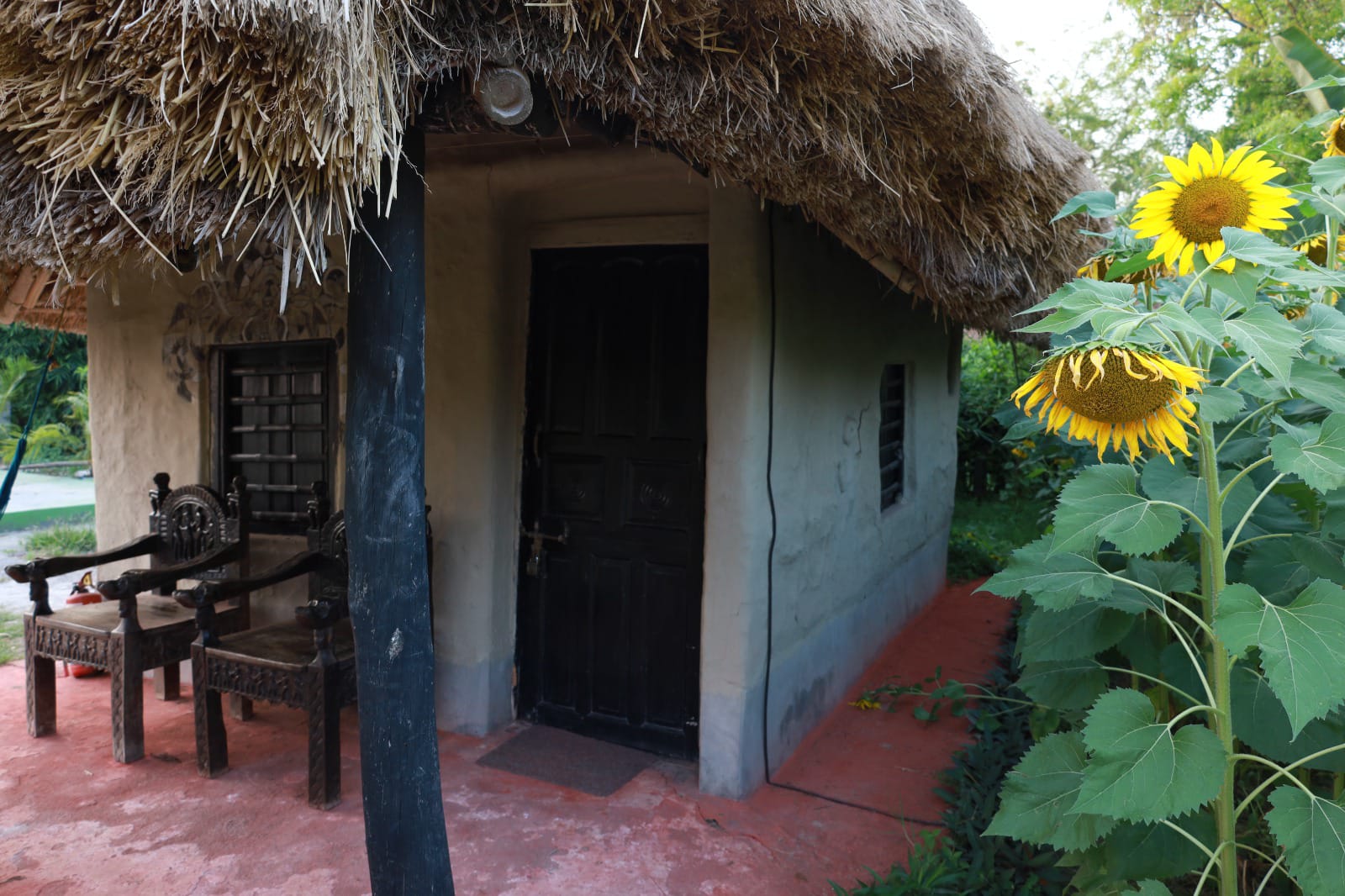
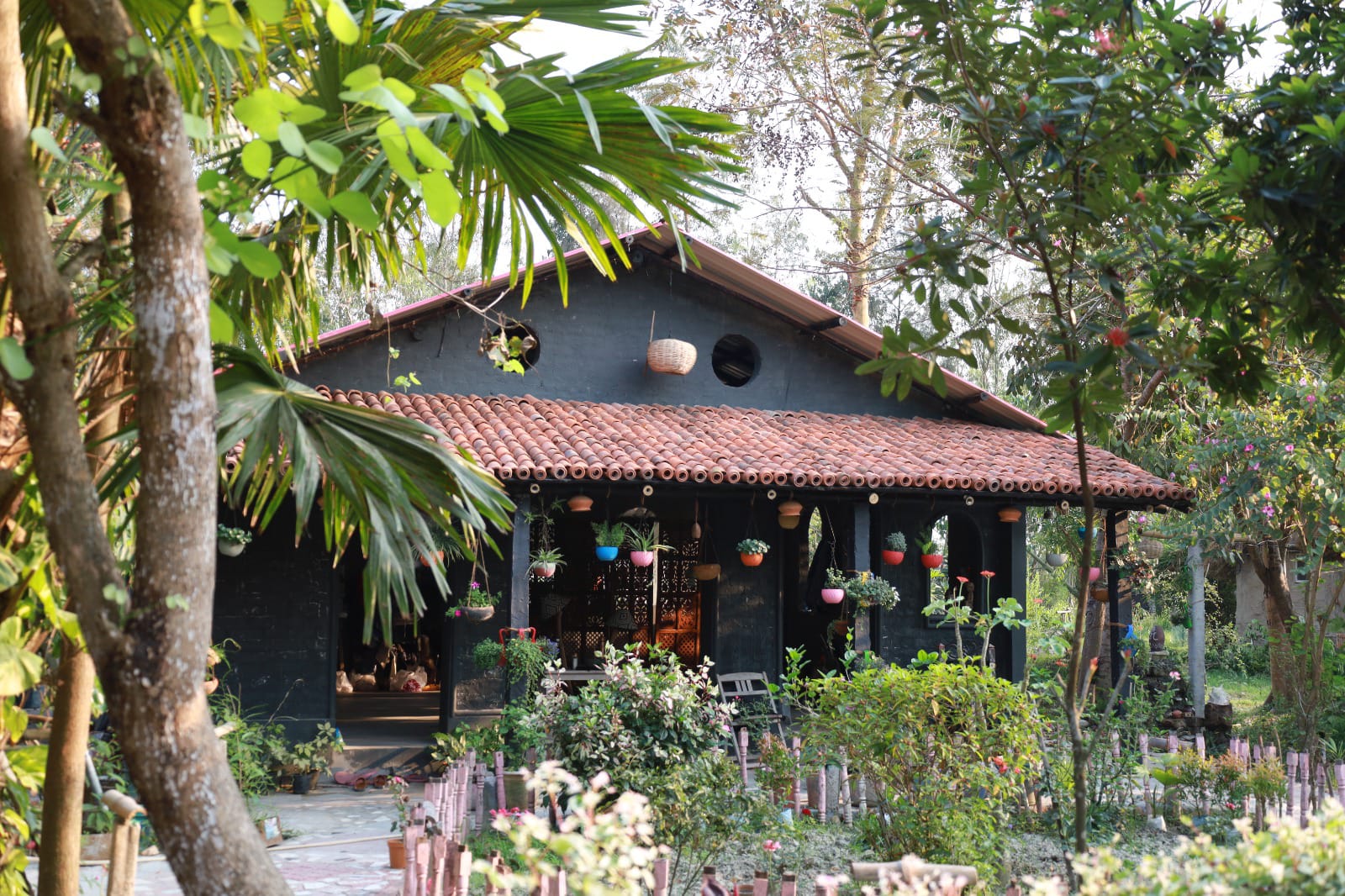
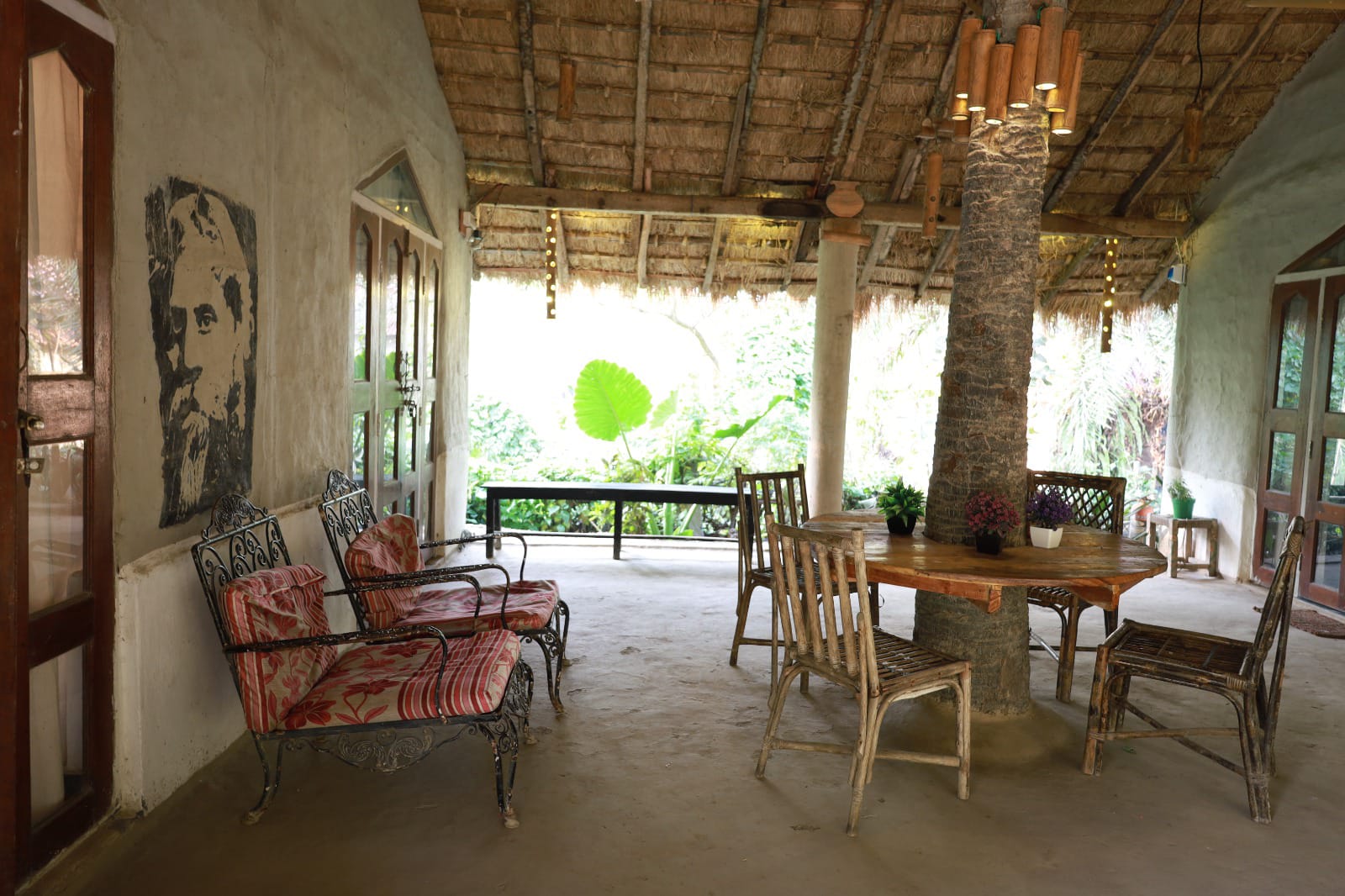
Stay options range from rustic, organic huts made of mud, hay, and wood, naturally cool in summer and comforting in winter, to six premium concrete cottages with geysers so you have comfort with character. Prices start around ₹3,000 for organic cottages and ₹4,000 for premium ones, including meals and chai.
 

Choosing a Sundarban private tour through Tour De Sundarbans means getting to experience the mangroves on your terms. Their 3-night, 4-day “Wild Quest” package brings you to the Eco Village, adds two full-day jungle boat safaris, and offers immersive cultural walks and bird watching all without the chaos of rushing crowds.

These tours strike a balance: birding along country boats, spotting kingfishers or fiddler crabs, quiet walks through paddy fields and honey collectors’ villages all crowned by evenings of traditional music and storytelling under the stars.
The Sundarbans covers a massive expanse of an Indian biosphere of 9,630 km² studded with mangroves and wildlife, among UNESCO World Heritage and Tiger Reserve areas.

If you will look at the numbers there were 50,000 annual visitors in 2002 and the numbers grew to 117,000 visitors in 2010. Yes, sundarban has gained popularity but with it also increased the risk of habitat loss, pollution, etc. 

Sites like Tour De Sundarbans, which provide ecotourism that honors and protects the forest and the local inhabitants, are excellent examples of this.
Let’s put some numbers to the magic. In Bangladesh, tourism in the mangroves is valued at around USD 53 million annually, reflecting significant local and global interest. On the Indian side, ecosystem services like carbon sequestration, habitat protection, and storm buffering add up to an estimated ₹12.8 billion per year translating to roughly ₹50,000 per hectare. This isn’t abstract: it’s protection through presence, where each responsible visitor plays a part in keeping the forest alive.

How a Private Sundarbans Tour Sets You Apart

Opting for a Sundarban private tour means you’re seeking deeper immersion. Other operators emphasize:

  • Exclusive access to remote pockets not included in regular group itineraries
  • Private boats, flexible schedules, and personalized wildlife interests
  • Better comfort, from luxury transport to cultural interaction tailored just.

Compare that with the Tour De Sundarbans experience, where modesty, authenticity, and co-existence with the environment take the spotlight. It’s not luxury per se, but it is deeply enriching.

Sundarban Tour

Why This Feels Real and Human

There’s a gentle honesty in how Tour De Sundarbans talks about its challenges: cyclones, salt-water intrusion, and operating on an island with logistics that wear you down. Yet, they persist, because sustaining an Eco Village isn’t just business it’s love for place and people.

And their accolades? They come naturally TripAdvisor’s favourite since 2011, a Travel & Hospitality Award winner, featured in Lonely Planet, and spotlighted on travel shows and blogs, not to flaunt, but affirmed by those who wander differently.

FAQs

  • What makes the Eco Village so special compared to typical sundarban forest tours?

It’s about living with intention, staying in eco-friendly cottages, engaging with local culture, and exploring the mangroves sustainably. Tourism here isn’t just sightseeing, it’s sharing and saving.

  • Is a Sundarban private tour worth it over group packages?

Absolutely if you value solitude, flexible pacing, wildlife photo ops, and a deeper, less-touristy experience, a private tour offers that freedom and intimacy.

  • How sustainable is tourism in this part of the world?

The Eco Village demonstrates how tourism can benefit forests and communities. Meanwhile, ecosystem services of the Sundarbans highlight its immense value, thousands of crores in protection value per year in India alone.

  • When’s the best time to visit?

Generally, November through February offer the most pleasant weather, fewer bugs, and better wildlife visibility.

  • What to expect in terms of amenities?

Organic cottages offer basic rooms with food and natural ventilation. Premium cottages add comforts like geysers. Expect clean facilities, power, fans, and a lot of peace.