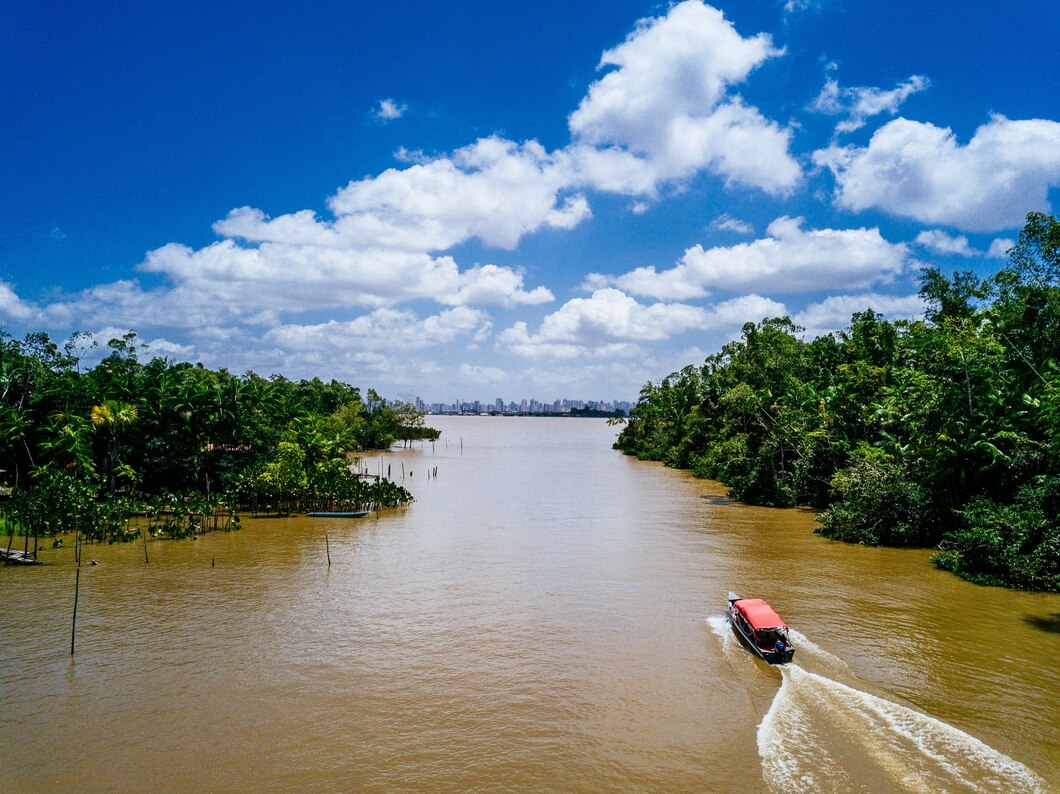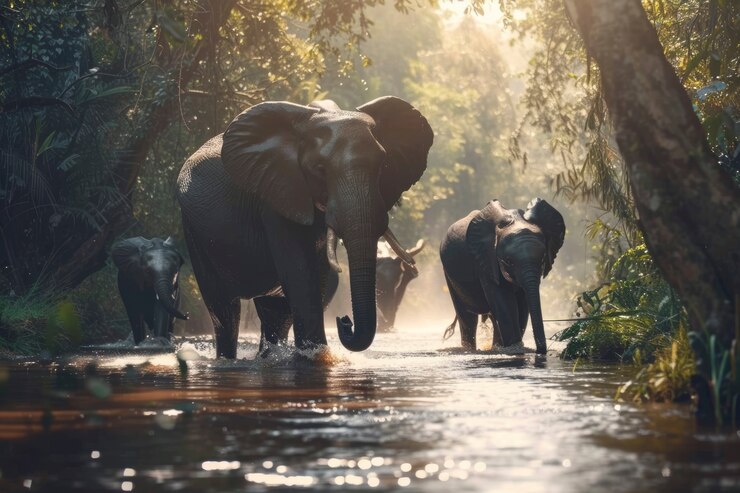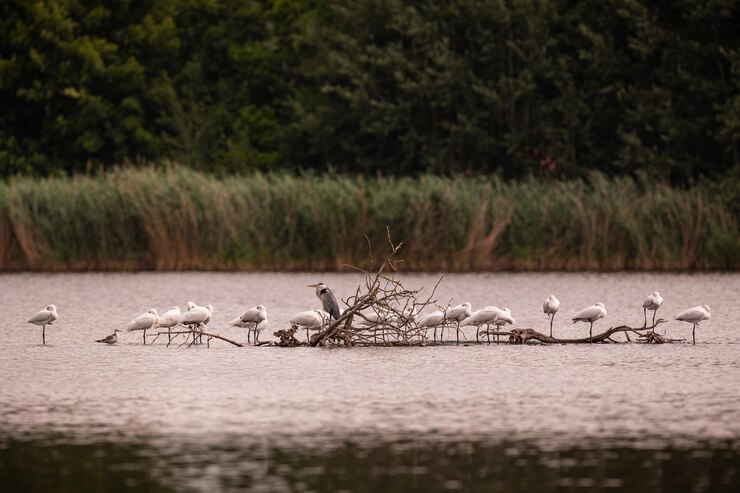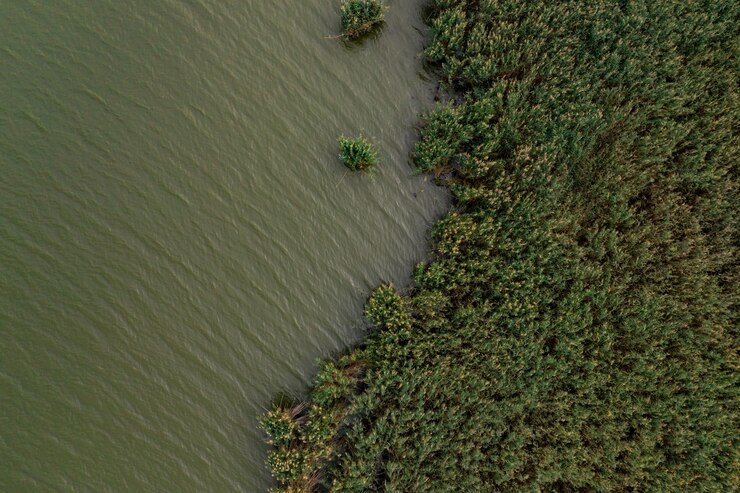
The Sundarban. Wild. Mysterious. The world’s largest mangrove forest spread over India and Bangladesh. A place where tigers swim. Where tides carve out new paths every few hours. It’s not just a destination, it’s a test—of how we humans treat nature when given the chance.
Tourists keep coming. More than 250,000 visitors step into Sundarbans every year (data from the West Bengal Tourism Department). The number keeps rising. Which means more boats, more plastic bottles, more pressure on a fragile ecosystem. Now the question is—can you visit the Sundarban forest responsibly? Yes. But it takes effort.
The Forest Doesn’t Belong to Us.
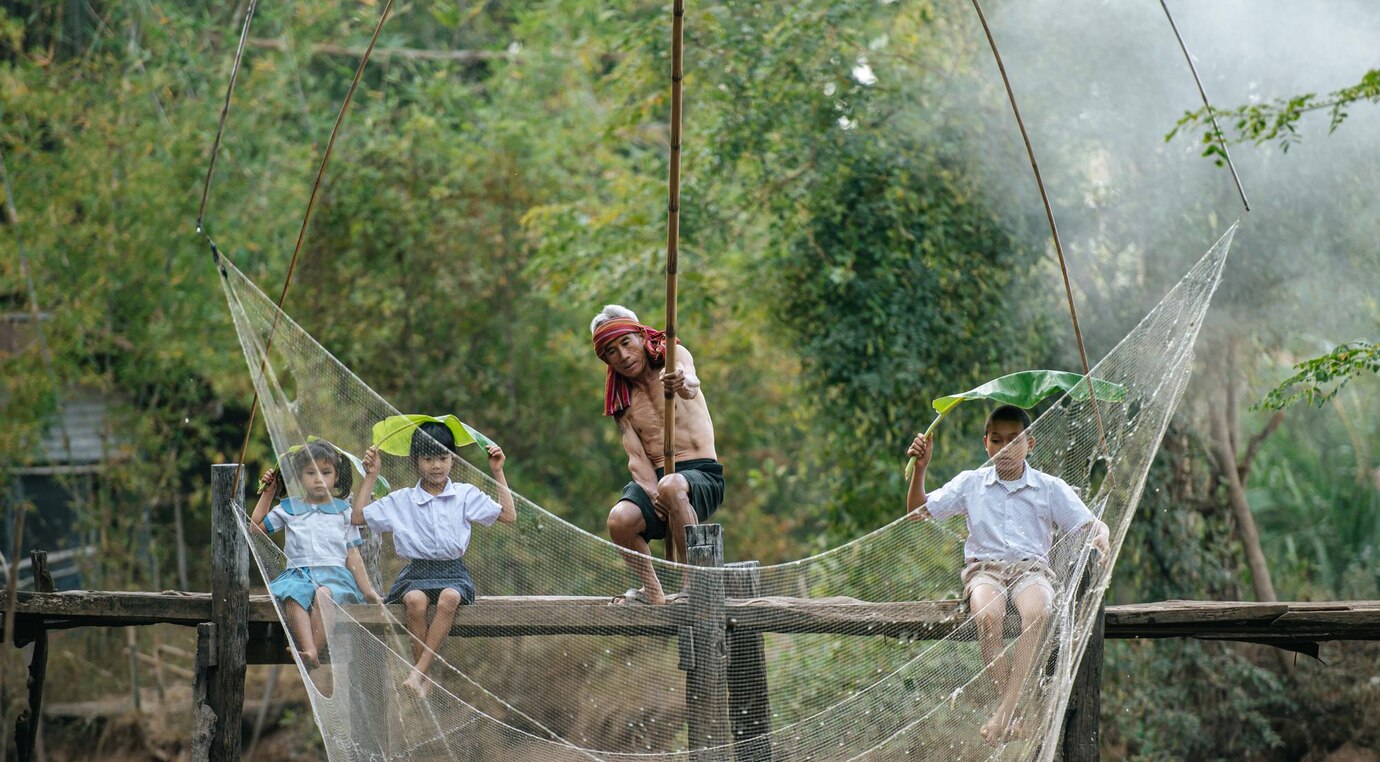
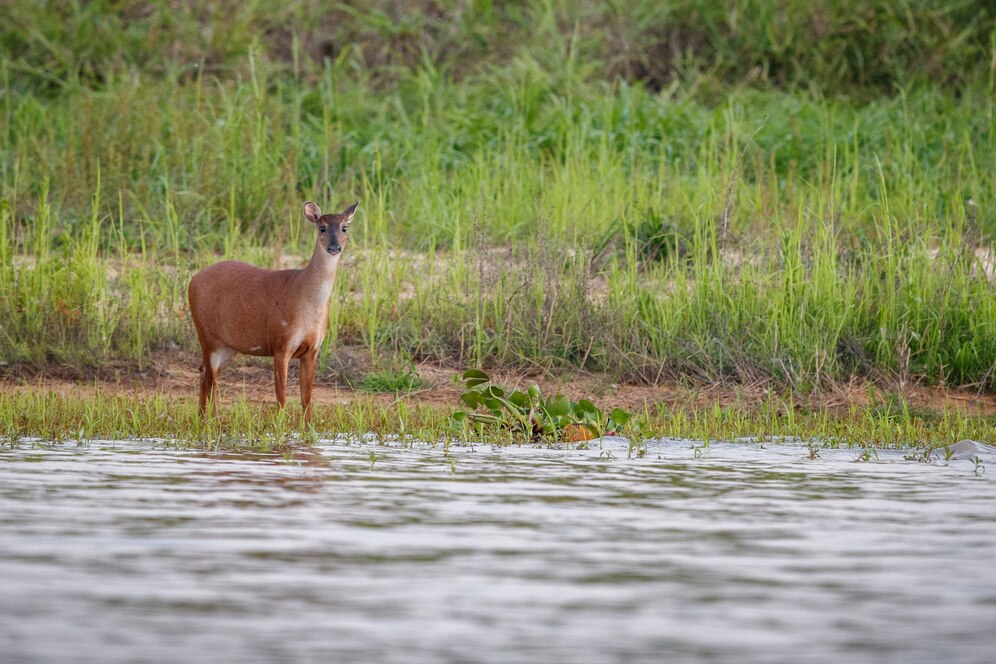
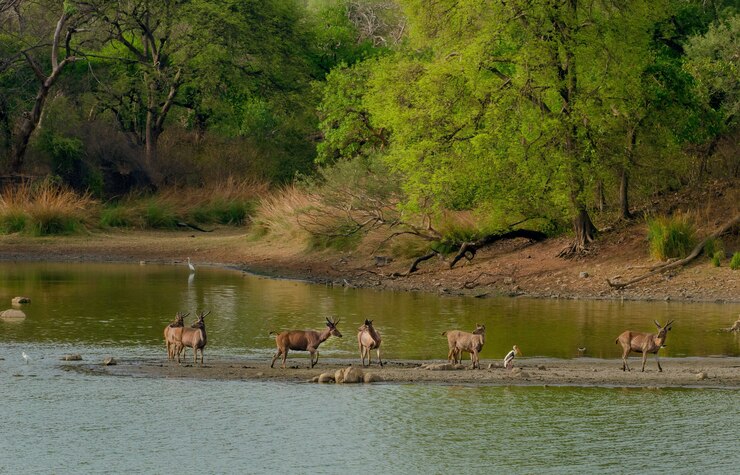
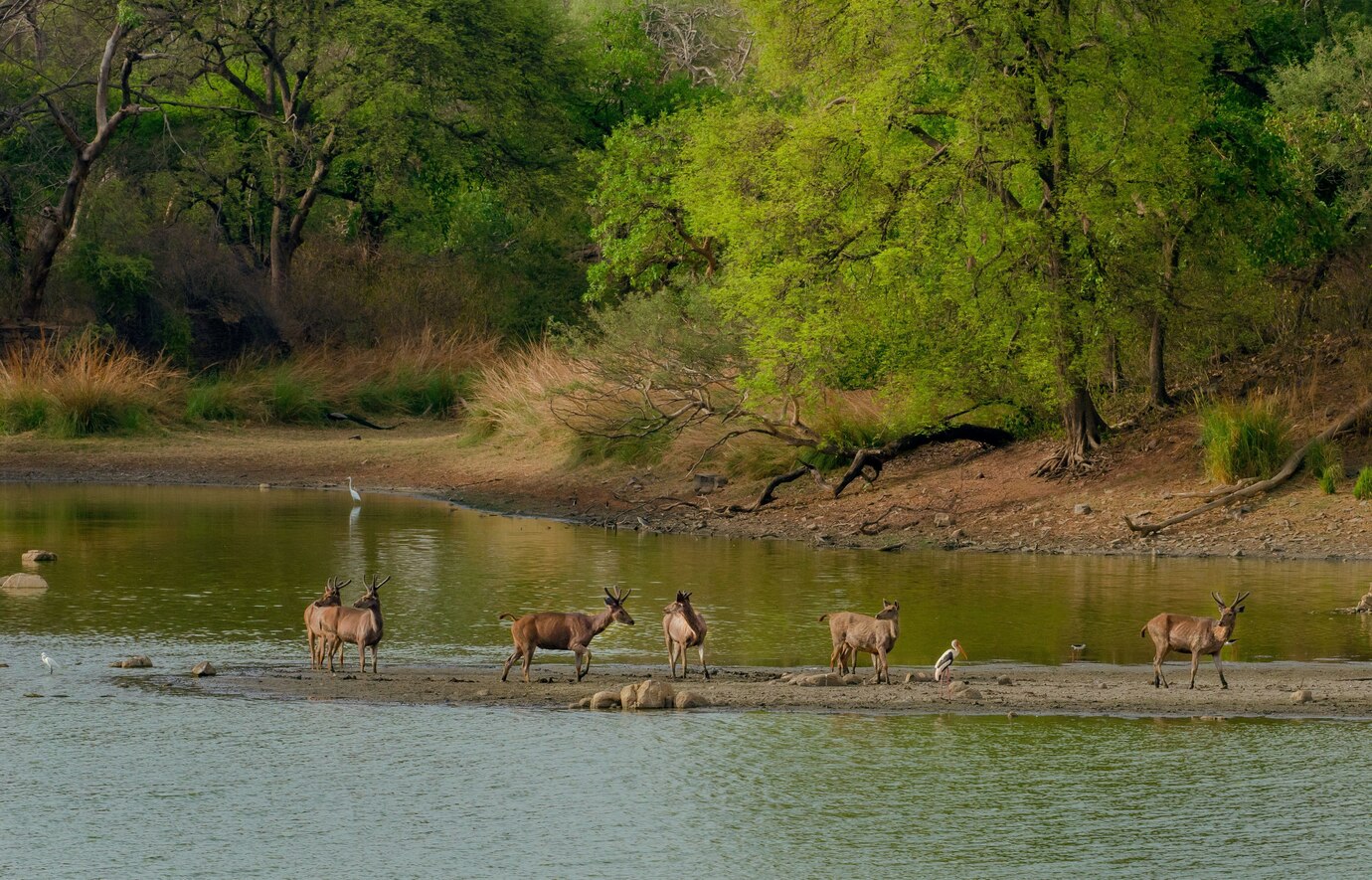
Here’s the truth. Sundarban is not a theme park. It’s home. To over 400 tigers, to saltwater crocodiles, spotted deer, fishing cats, otters. Even to 4.5 million people who live on the fringes, surviving with fishing and honey collection.
The forest doesn’t need us. We need it.
When tourists treat it like a picnic spot, it suffers. Loud music on boats, waste dumped in rivers, chasing animals for photos—this is not eco-tourism. It’s exploitation.
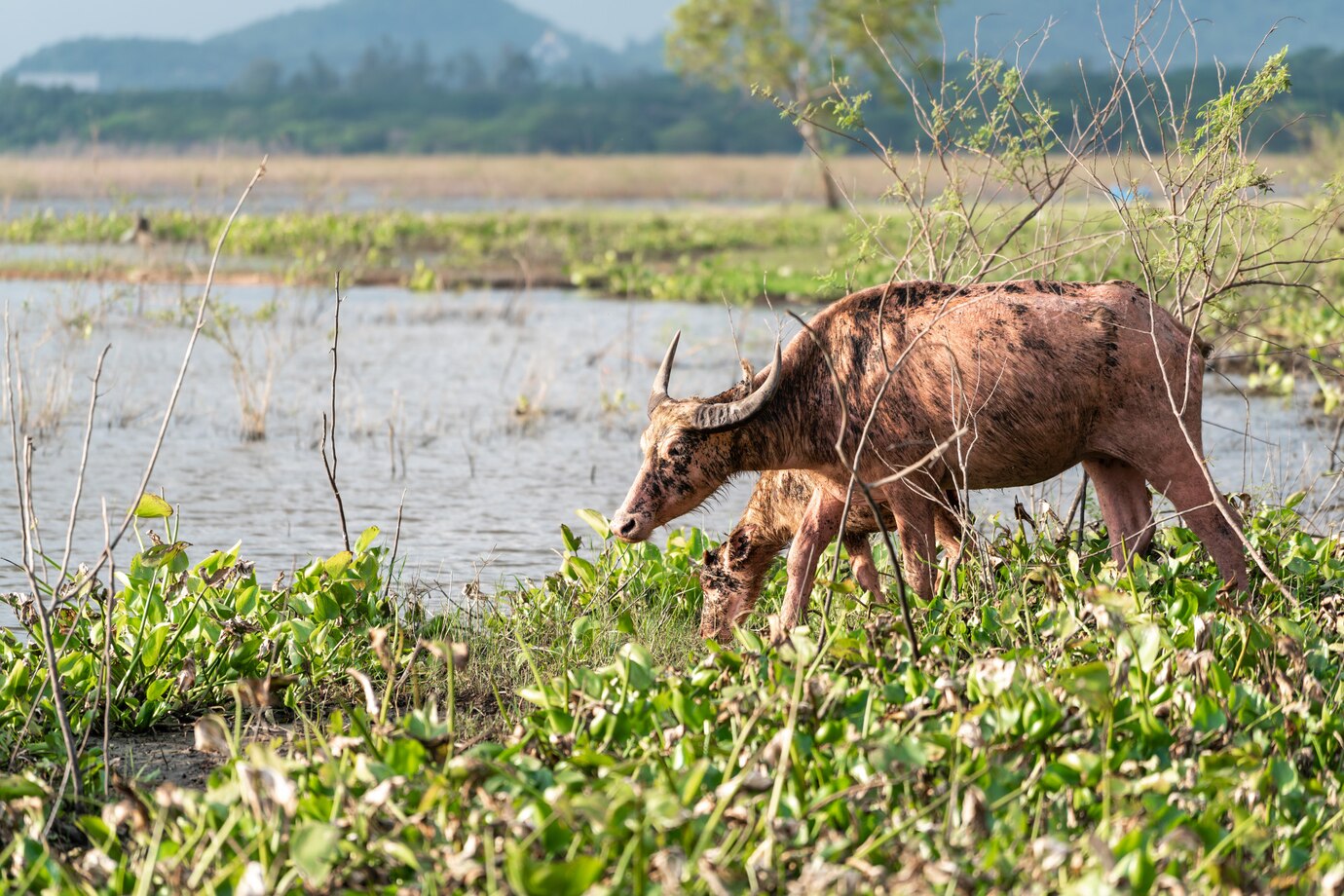
Eco-Tourism vs Mass Tourism.
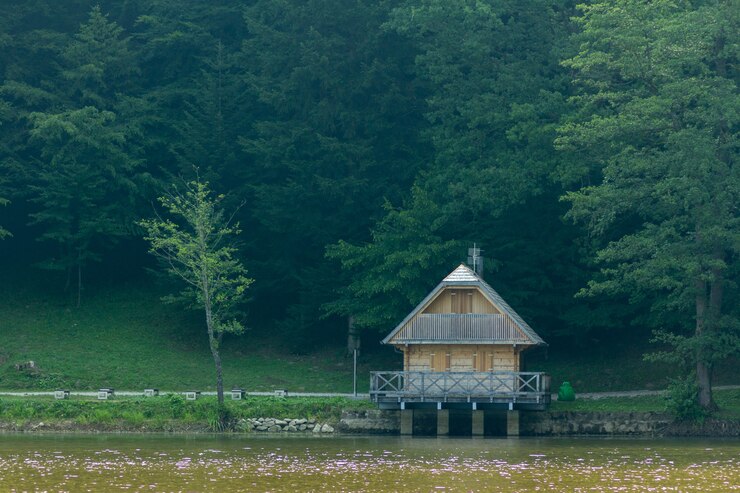
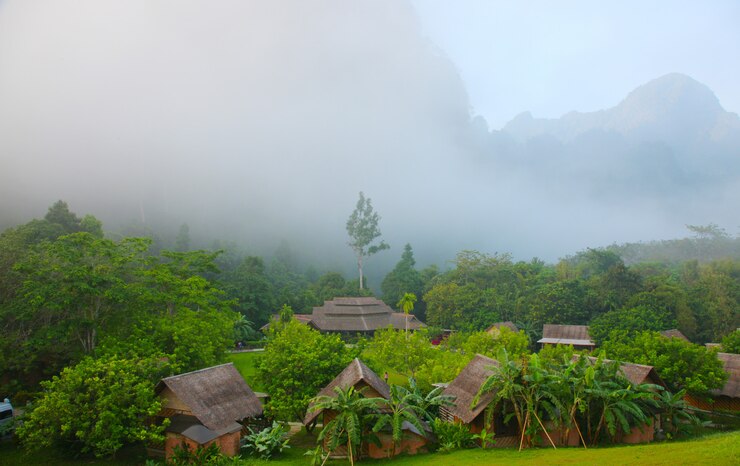
Eco-tourism is not just a fancy word. It means traveling with respect. Choosing silence over noise. Slower boats instead of speedboats. Staying in an eco village resort built with local materials, run by local people, instead of flashy hotels that drain groundwater.
Sundarban eco tourism is about blending in. About reducing your footprint so nature hardly notices you were there. That’s the only way this forest will last.
A Story from the Delta.
I remember my first boat ride here. The air was heavy with salt. Mudskippers leapt across wet banks. A guide pointed at tiger pugmarks fresh on the shore. My instinct? Snap photos. His warning? “Observe, don’t disturb.”
That sentence stuck. You realize soon—you’re the outsider here.
Practical Tips for Responsible Travel
Let’s make it real. Here are ways you can explore Sundarbans without harming it:
- Pick the right stay. Go for eco village resorts where electricity is solar-powered, food is locally sourced, and water is conserved.
- Don’t litter. A single plastic bottle can choke mangrove roots. Carry your waste back.
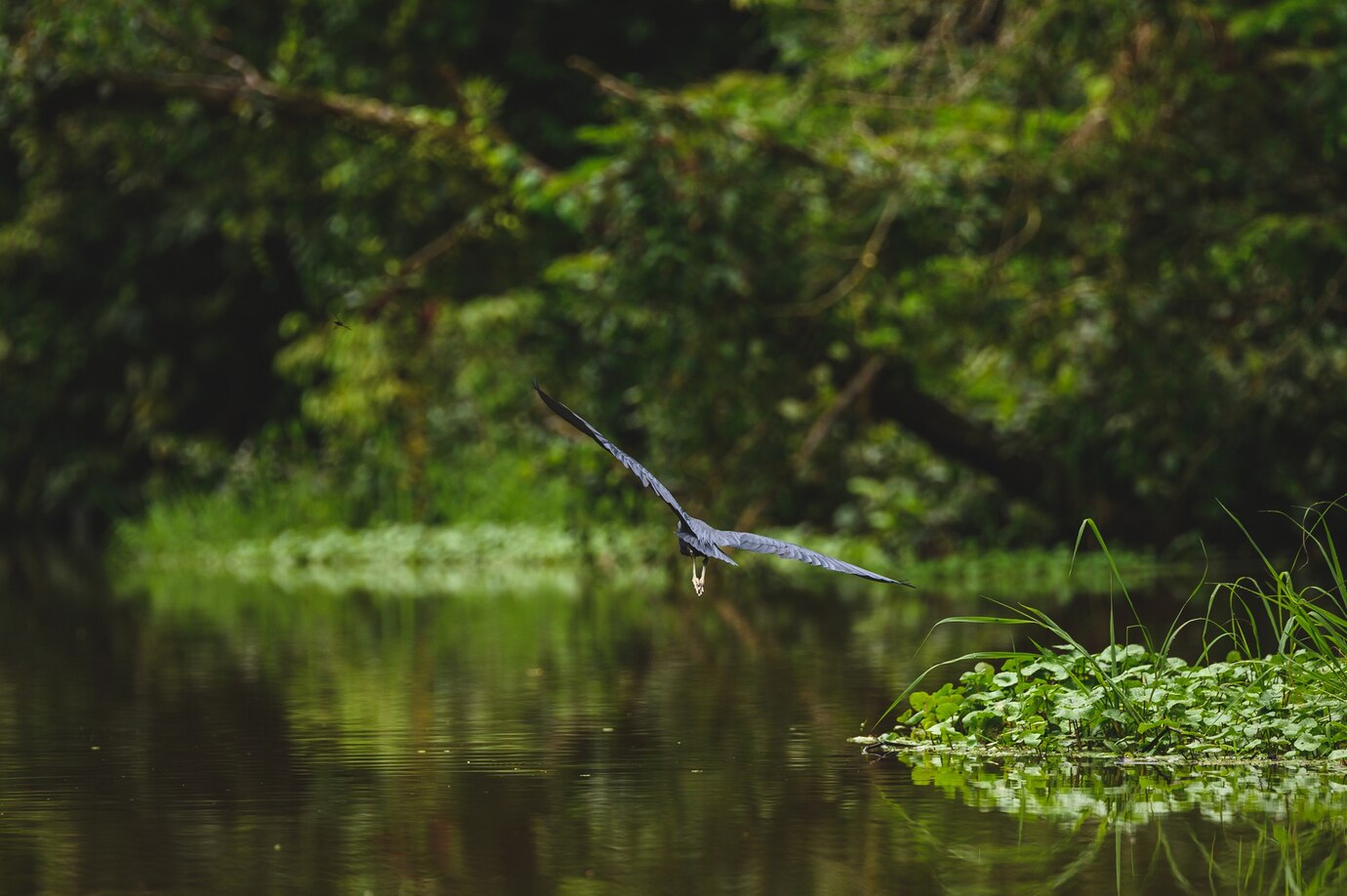
- Stay quiet. Tigers, birds, deer—they move naturally when undisturbed. Your loud voice? It breaks the forest rhythm.
- Use local guides. They know safe routes, they share stories of culture, and your money goes directly to the community.
- Avoid speedboats. They erode fragile riverbanks and scare away dolphins.
Why It Matters.
A study published in Wetlands Ecology and Management showed that Sundarban mangroves act as a carbon sink absorbing 4.15 tons of carbon per hectare annually. They’re not just trees. They’re global climate protectors. Destroy them, and the world loses.
Also, this forest is the last stronghold of the Bengal tiger in mangroves. Fewer than 100 individuals are estimated in the Indian part. Every disturbance reduces their chances.
The Human Angle
Eco-tourism is not only about animals. It’s about people too. Locals risk their lives daily—fishing in crocodile waters, collecting honey while tigers stalk. When you choose Sundarban eco tourism run by villagers, you help them earn safely. It reduces dependence on dangerous forest work. That’s not charity. That’s fairness.
Small Choices. Big Impact.
Imagine this. Two tourists. One throws chips packet into the river. Another carries it back. One books a luxury hotel draining diesel generators. Another stays at an eco village resort. Tiny differences, but multiplied by thousands, the result is huge.
Tourism can destroy Sundarbans. Or it can save it. Depends on us.
The Final Thought
The Sundarban is not fragile—it has survived cyclones, tides, and centuries. But it can’t survive careless tourism. You can enjoy it. You should. But tread light. Leave no scars.
Responsible eco-tourism is not just a choice here—it’s survival. For the forest. For the tiger. For us.

FAQs
Q1. What is the best time to visit Sundarbans responsibly?
Winter months, from November to February. The weather is pleasant, boat rides are easier, and you avoid monsoon flooding which stresses local resources.
Q2. Are eco village resorts safe and comfortable?
Yes. Most offer clean rooms, local cuisine, and solar electricity. They may not be luxury, but they provide comfort with a lighter environmental impact.
Q3. Why avoid plastic in Sundarban forest?
Because plastic clogs mangrove roots, kills fish, and takes decades to decompose. One bottle left behind may stay longer than you live.
Q4. How does eco-tourism help local people?
It provides jobs—guiding, homestays, handicrafts. Income from tourism reduces dependence on dangerous forest-based livelihoods.
Q5. Can mass tourism really harm tigers?
Yes. Studies show frequent human disturbance pushes tigers deeper into the forest, shrinking their hunting grounds. This raises conflict with villagers.