
The Tiger and the Tide: Why Sundarbans Is Unlike Every Other Wildlife Destination in India
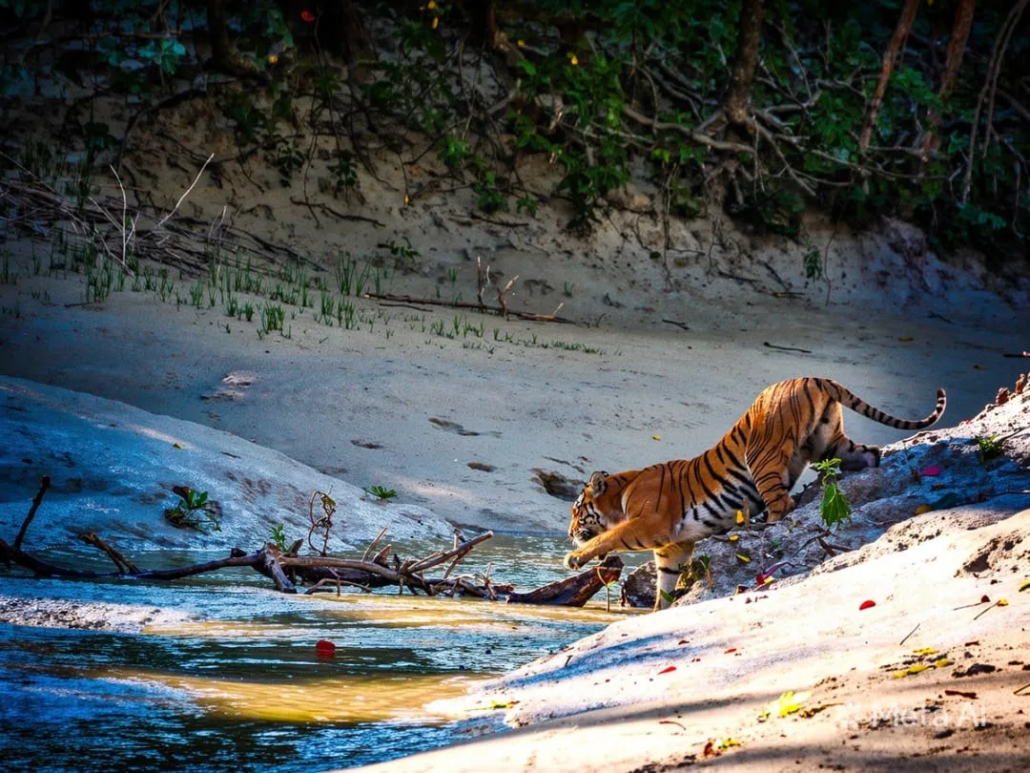
The Sundarbans is unlike every other wildlife destination in India because it is a tidal forest, not a dry jungle. Here the land floods twice a day, tigers swim between islands, and you explore by boat rather than jeep. From boat safaris to watchtowers and village walks, the best things to do in Sundarbans all revolve around water, giving a wilderness experience found nowhere else in the country.
If you are researching your first trip, you have probably noticed the Sundarbans does not fit the usual template of an Indian tiger reserve. There are no open grasslands or morning jeep drives here.
Instead there is an endless maze of mangrove creeks, silence broken only by birdsong, and a forest that changes shape with the tide. That difference is exactly what makes it special.
What makes the Sundarbans unlike any other wildlife destination in India?
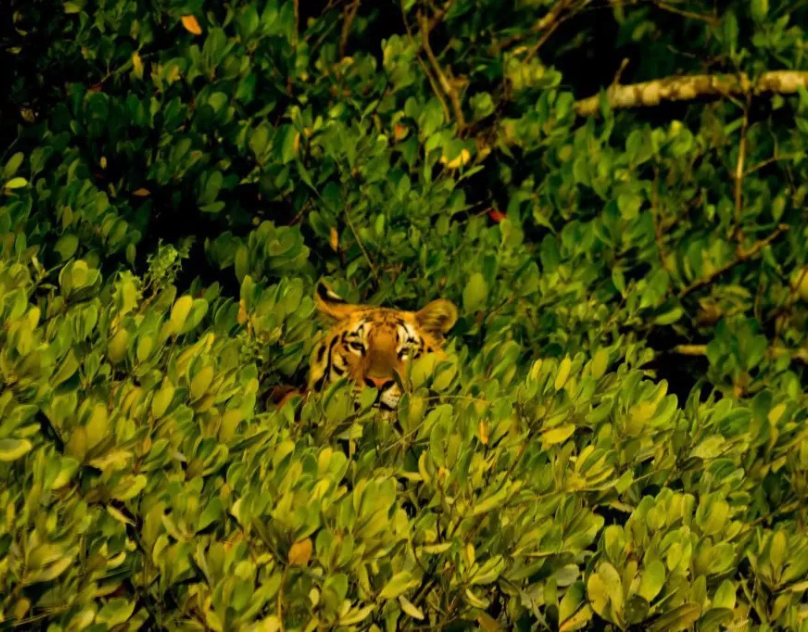
The Sundarbans is the world’s largest mangrove forest and the only one where tigers live, spanning roughly 10,000 square kilometres across India and Bangladesh. Unlike Ranthambore or Kanha, it is a water-based ecosystem where you travel by boat, the terrain floods daily, and wildlife has adapted to a life shaped entirely by salt water and tides.
Most Indian parks are dry-land reserves explored on wheels. The Sundarbans breaks that mould completely.
It sits in the delta of the Ganges, Brahmaputra, and Meghna rivers, forming a shifting landscape of islands and channels. According to WWF, it is the only mangrove habitat in the world that supports tigers, which sets it apart from every other big-cat destination on Earth.
Why do Sundarbans tigers swim between islands?
Sundarbans tigers swim between islands because their home is fragmented by water, forcing them to cross tidal channels to hunt and patrol territory. Over generations they have become powerful swimmers, comfortable in brackish water, a behaviour almost unheard of among tigers elsewhere. This unique adaptation makes them one of the most remarkable predators in the natural world.
These are tigers built for a watery world.
They hunt along creek edges, cross channels between islands, and even drink slightly saline water. Few visitors ever see the tiger itself, which stays elusive and well hidden, but knowing it may be watching from the mangroves adds a genuine thrill to every safari.
What things to do in Sundarbans should first-timers plan?
The best things to do in Sundarbans centre on the water and the forest edge. Boat safaris through the creeks are the highlight, complemented by watchtower visits, birdwatching, village walks, and cultural evenings. Together these give a full picture of the wildlife, landscape, and community life that define this extraordinary delta.
Here is what to prioritise on a first visit:
- Boat safaris: the core experience, cruising the creeks in search of wildlife.
- Watchtowers: raised viewpoints like Sudhanyakhali for spotting deer, crocodiles, and the occasional tiger.
- Birdwatching: kingfishers, herons, eagles, and hundreds of other species.
- Village visits: meeting the communities who live at the forest’s edge.
- Cultural evenings: folk performances and stories of Bonbibi, the forest guardian.
What wildlife can you actually see beyond the tiger?
Beyond the elusive tiger, the Sundarbans teems with visible wildlife. Estuarine crocodiles bask on mudflats, spotted deer gather near watchtowers, and river dolphins surface in wider channels. Birdlife is exceptional, with kingfishers, eagles, and migratory species in abundance, so even a tiger-free trip is richly rewarding.
The abundance surprises most first-timers.
The forest shelters a remarkable range of species, from water monitors and mudskippers to wild boar and countless birds. Britannica notes the Sundarbans covers around 10,000 square kilometres of this biologically rich delta, sustaining a density of life that rewards patient, quiet observation.
How do the tides shape every visit?
The tides govern everything in the Sundarbans, from boat routes to wildlife sightings. Water levels rise and fall twice daily, opening some creeks and closing others, and animals appear along the exposed banks at low tide. Understanding this rhythm is central to planning, as the whole day follows the movement of the water.
This is the detail no other Indian park demands you think about.
Feature | Sundarbans | Typical Indian tiger park |
Terrain | Tidal mangrove delta | Dry forest and grassland |
Safari mode | Boat | Jeep or canter |
Signature adaptation | Swimming tigers | Land-based tigers |
Rhythm | Governed by tides | Governed by daylight |
Because the landscape transforms with each tide, no two safaris feel the same, and local knowledge becomes invaluable for timing your trip well.
Experiencing the difference with Tour De Sundarbans
Because the Sundarbans rewards local insight more than almost any other destination, choosing the right operator matters, and this is where Tour De Sundarbans stands out.
The team offers expertly guided boat safaris and authentic eco-village stays, timed around the tides and led by guides who know where wildlife gathers and when. Every trip is designed to reveal the scale, wildlife, and culture that make this delta unique.
That local expertise is what turns a first visit into a genuine understanding of the forest.
Frequently asked questions
Is the Sundarbans good for a first wildlife trip?
Yes. The Sundarbans offers a completely unique, boat-based wildlife experience with abundant birds, crocodiles, and deer. While tiger sightings are rare, the scale, scenery, and atmosphere make it richly rewarding for first-time visitors.
Will I definitely see a tiger in the Sundarbans?
No. Tigers here are extremely elusive and sightings are uncommon due to the dense mangroves. Most visitors enjoy crocodiles, deer, dolphins, and spectacular birdlife instead, with the tiger remaining a rare and thrilling possibility.
How do you explore the Sundarbans?
You explore mainly by boat, cruising the tidal creeks and visiting raised watchtowers. Unlike other Indian parks, there are no jeep safaris, as the flooded, island-based terrain makes water the only practical way to travel.
What are the top things to do in Sundarbans?
The top things to do in Sundarbans are boat safaris, watchtower visits, birdwatching, village walks, and cultural evenings. These activities together capture the wildlife, landscape, and community life that make the delta so distinctive.
How many days do you need in the Sundarbans?
Most visitors find two to three days ideal. This allows time for multiple boat safaris, watchtower visits, and a village experience, letting you settle into the forest’s tidal rhythm rather than rushing through the highlights.
The Sundarbans is not a variation on the Indian tiger safari; it is a different kind of wilderness altogether, shaped by the tide and ruled by a swimming tiger. For a first visit that feels genuinely unlike anywhere else, this delta delivers. To plan your own Sundarbans adventure, get in touch with our team today.
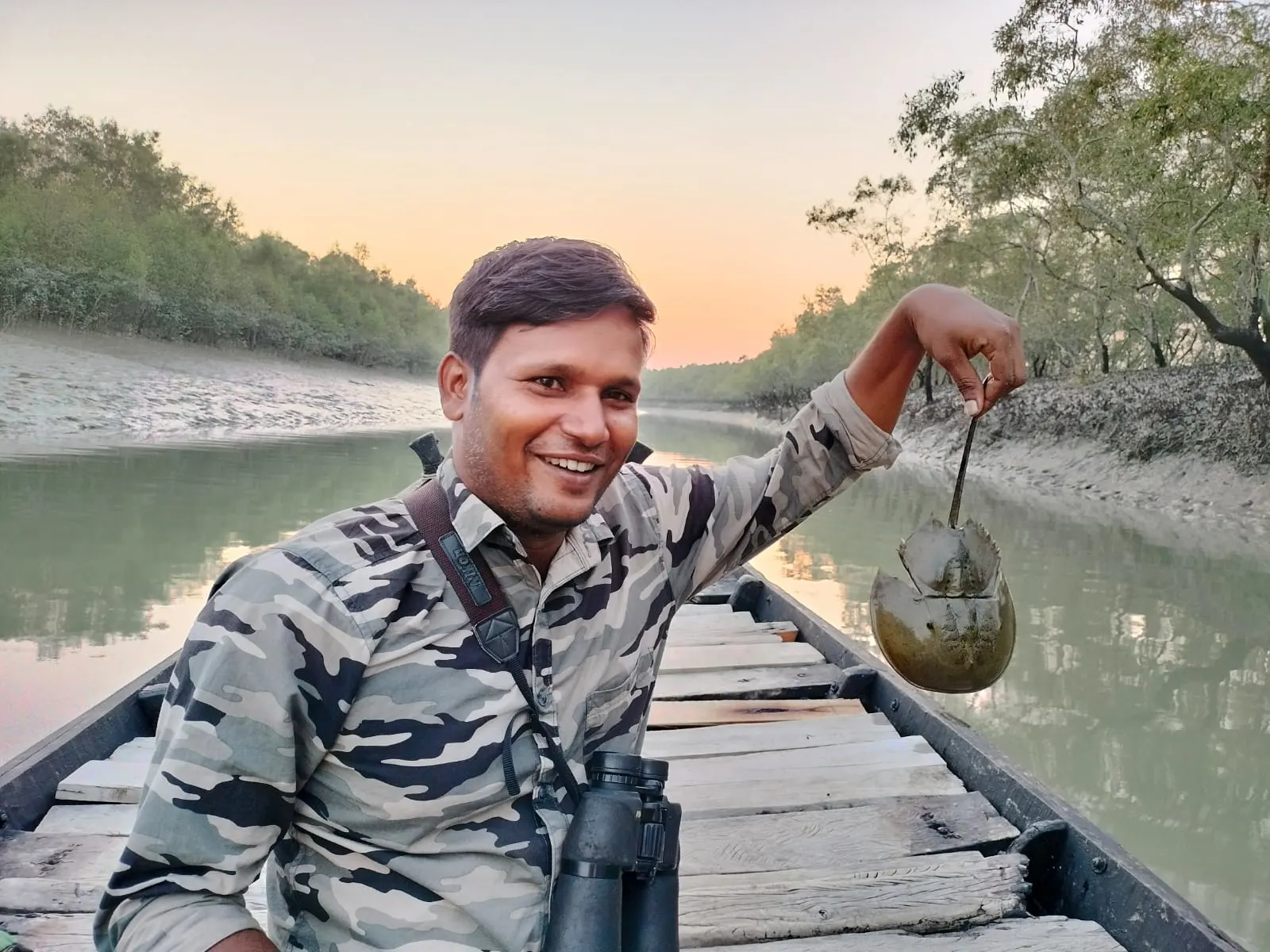
My name is Ajay Kumar shaw
Sundarban is my life line and tigers is what excites me.My aim is to track and document each one of them.