
The Sundarbans is unlike every other wildlife destination in India because it is a tidal forest, not a dry jungle. Here the land floods twice a day, tigers swim between islands, and you explore by boat rather than jeep. From boat safaris to watchtowers and village walks, the best things to do in Sundarbans all revolve around water, giving a wilderness experience found nowhere else in the country.

If you are researching your first trip, you have probably noticed the Sundarbans does not fit the usual template of an Indian tiger reserve. There are no open grasslands or morning jeep drives here.

Instead there is an endless maze of mangrove creeks, silence broken only by birdsong, and a forest that changes shape with the tide. That difference is exactly what makes it special.

What makes the Sundarbans unlike any other wildlife destination in India?
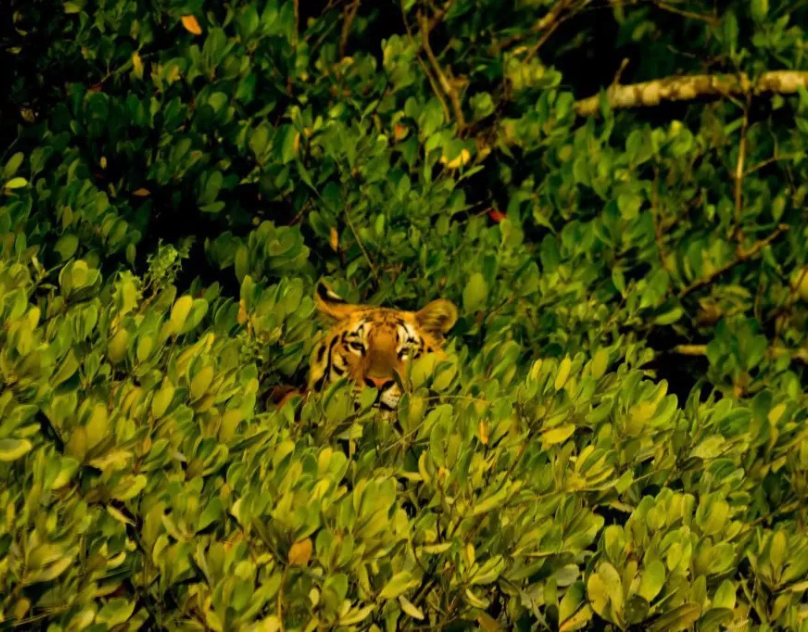
sundarban forest Tour

The Sundarbans is the world’s largest mangrove forest and the only one where tigers live, spanning roughly 10,000 square kilometres across India and Bangladesh. Unlike Ranthambore or Kanha, it is a water-based ecosystem where you travel by boat, the terrain floods daily, and wildlife has adapted to a life shaped entirely by salt water and tides.

Most Indian parks are dry-land reserves explored on wheels. The Sundarbans breaks that mould completely.

It sits in the delta of the Ganges, Brahmaputra, and Meghna rivers, forming a shifting landscape of islands and channels. According to WWF, it is the only mangrove habitat in the world that supports tigers, which sets it apart from every other big-cat destination on Earth.

Why do Sundarbans tigers swim between islands?

Sundarbans tigers swim between islands because their home is fragmented by water, forcing them to cross tidal channels to hunt and patrol territory. Over generations they have become powerful swimmers, comfortable in brackish water, a behaviour almost unheard of among tigers elsewhere. This unique adaptation makes them one of the most remarkable predators in the natural world.

These are tigers built for a watery world.

They hunt along creek edges, cross channels between islands, and even drink slightly saline water. Few visitors ever see the tiger itself, which stays elusive and well hidden, but knowing it may be watching from the mangroves adds a genuine thrill to every safari.

What things to do in Sundarbans should first-timers plan?

The best things to do in Sundarbans centre on the water and the forest edge. Boat safaris through the creeks are the highlight, complemented by watchtower visits, birdwatching, village walks, and cultural evenings. Together these give a full picture of the wildlife, landscape, and community life that define this extraordinary delta.

Here is what to prioritise on a first visit:

  • Boat safaris: the core experience, cruising the creeks in search of wildlife.
  • Watchtowers: raised viewpoints like Sudhanyakhali for spotting deer, crocodiles, and the occasional tiger.
  • Birdwatching: kingfishers, herons, eagles, and hundreds of other species.
  • Village visits: meeting the communities who live at the forest’s edge.
  • Cultural evenings: folk performances and stories of Bonbibi, the forest guardian.

What wildlife can you actually see beyond the tiger?

Beyond the elusive tiger, the Sundarbans teems with visible wildlife. Estuarine crocodiles bask on mudflats, spotted deer gather near watchtowers, and river dolphins surface in wider channels. Birdlife is exceptional, with kingfishers, eagles, and migratory species in abundance, so even a tiger-free trip is richly rewarding.

The abundance surprises most first-timers.

The forest shelters a remarkable range of species, from water monitors and mudskippers to wild boar and countless birds. Britannica notes the Sundarbans covers around 10,000 square kilometres of this biologically rich delta, sustaining a density of life that rewards patient, quiet observation.

How do the tides shape every visit?

The tides govern everything in the Sundarbans, from boat routes to wildlife sightings. Water levels rise and fall twice daily, opening some creeks and closing others, and animals appear along the exposed banks at low tide. Understanding this rhythm is central to planning, as the whole day follows the movement of the water.

This is the detail no other Indian park demands you think about.

Feature

Sundarbans

Typical Indian tiger park

Terrain

Tidal mangrove delta

Dry forest and grassland

Safari mode

Boat

Jeep or canter

Signature adaptation

Swimming tigers

Land-based tigers

Rhythm

Governed by tides

Governed by daylight

Because the landscape transforms with each tide, no two safaris feel the same, and local knowledge becomes invaluable for timing your trip well.

Experiencing the difference with Tour De Sundarbans

Because the Sundarbans rewards local insight more than almost any other destination, choosing the right operator matters, and this is where Tour De Sundarbans stands out.

The team offers expertly guided boat safaris and authentic eco-village stays, timed around the tides and led by guides who know where wildlife gathers and when. Every trip is designed to reveal the scale, wildlife, and culture that make this delta unique.

That local expertise is what turns a first visit into a genuine understanding of the forest.

Frequently asked questions

Is the Sundarbans good for a first wildlife trip?

Yes. The Sundarbans offers a completely unique, boat-based wildlife experience with abundant birds, crocodiles, and deer. While tiger sightings are rare, the scale, scenery, and atmosphere make it richly rewarding for first-time visitors.

Will I definitely see a tiger in the Sundarbans?

No. Tigers here are extremely elusive and sightings are uncommon due to the dense mangroves. Most visitors enjoy crocodiles, deer, dolphins, and spectacular birdlife instead, with the tiger remaining a rare and thrilling possibility.

How do you explore the Sundarbans?

You explore mainly by boat, cruising the tidal creeks and visiting raised watchtowers. Unlike other Indian parks, there are no jeep safaris, as the flooded, island-based terrain makes water the only practical way to travel.

What are the top things to do in Sundarbans?

The top things to do in Sundarbans are boat safaris, watchtower visits, birdwatching, village walks, and cultural evenings. These activities together capture the wildlife, landscape, and community life that make the delta so distinctive.

How many days do you need in the Sundarbans?

Most visitors find two to three days ideal. This allows time for multiple boat safaris, watchtower visits, and a village experience, letting you settle into the forest’s tidal rhythm rather than rushing through the highlights.

The Sundarbans is not a variation on the Indian tiger safari; it is a different kind of wilderness altogether, shaped by the tide and ruled by a swimming tiger. For a first visit that feels genuinely unlike anywhere else, this delta delivers. To plan your own Sundarbans adventure, get in touch with our team today.
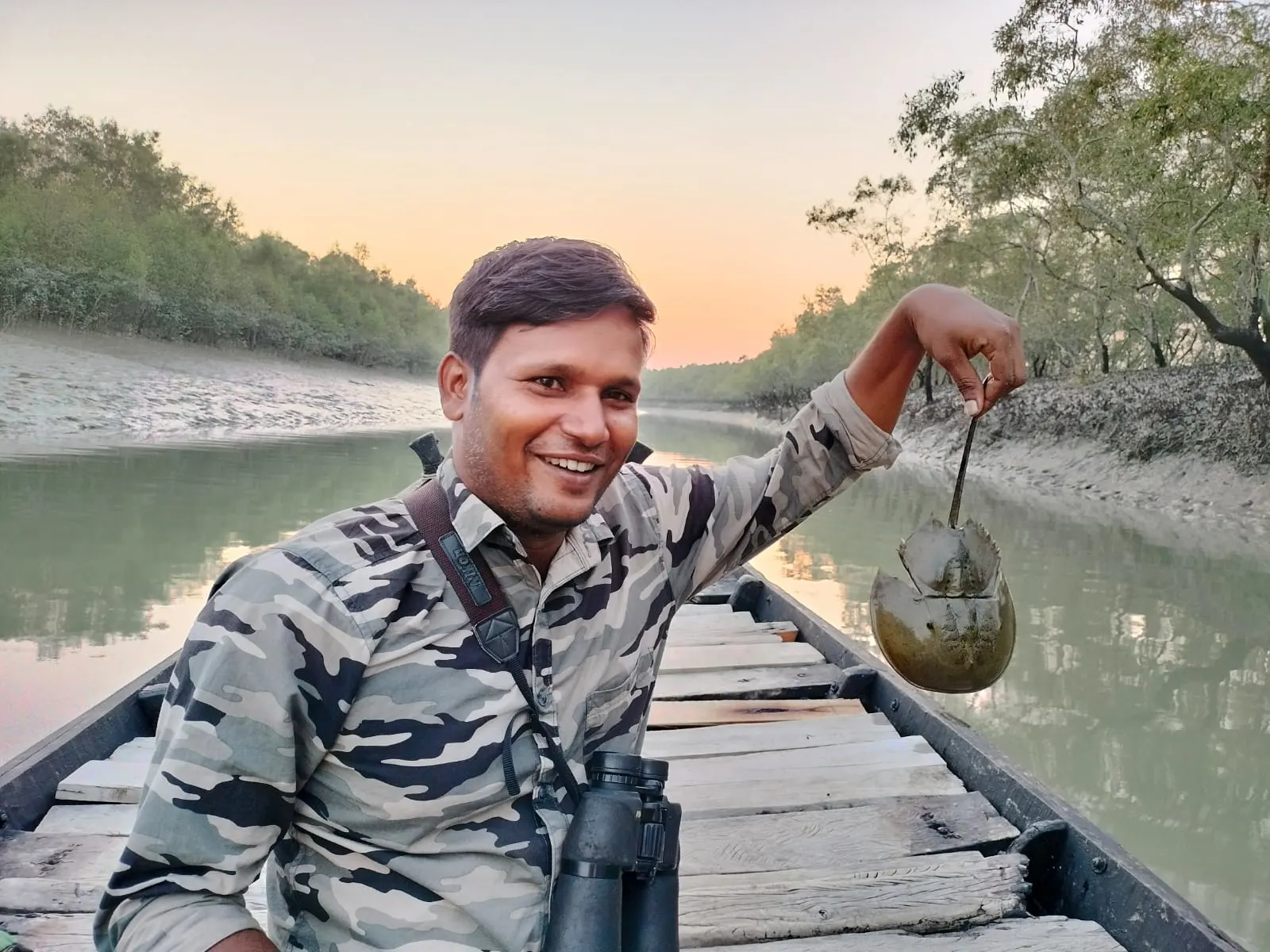
Ajay kumar shaw

My name is Ajay Kumar shaw
Sundarban is my life line and tigers is what excites me.My aim is to track and document each one of them.

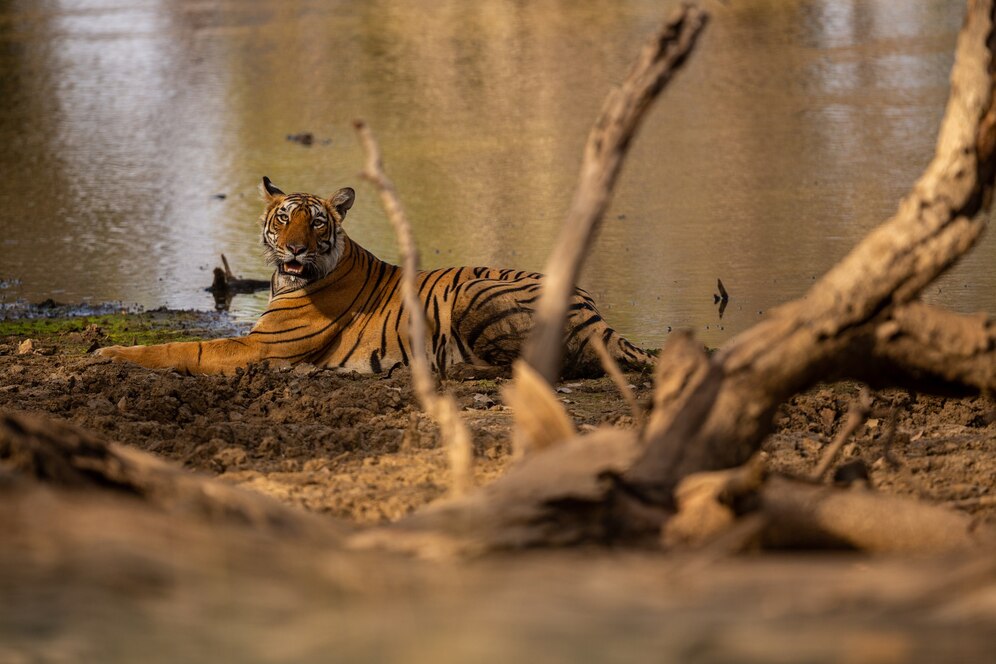
The Sundarbans rewards patience, not speed. Dawn and dusk give the best light. A long lens helps, because distance matters. Silence matters more than Zoom. Longer tours usually improve your keeper rate. Respect forest rules, permits, and boat limits. Tour de Sundarbans suits photo-led, eco-conscious travel.

Introduction

Wildlife photography in the Sundarbans is exciting, but it can also be difficult. The biggest challenge is not seeing wildlife. It is getting the right shot at the right moment. Many visitors feel this pressure. The boat keeps moving. The light keeps shifting. 

The subject appears, then disappears before you are ready. This guide shows how to handle that challenge with confidence. You will learn what to pack, when to shoot, how to frame better images, and how to travel responsibly. You will also see how Tour de Sundarbans can support a smoother photo trip.


Why is the Sundarbans so hard to photograph well?

The Sundarbans is no ordinary wildlife zone. UNESCO describes it as the world’s largest mangrove forest. It straddles India and Bangladesh. It is also home to the Royal Bengal tiger. That beauty comes with movement, mud, tides, and distance.

That setting changes your shooting style. You do not stalk subjects on foot. You shoot from boats, watchtowers, and narrow waterways. The scene can open or disappear within seconds. That is why preparation matters more here than in many parks.

The best photographers treat the trip like fieldwork. They study animal behaviour. They wait for the right light. They do not chase every frame. Patience and familiarity with animal routines are crucial.

What gear should you take for a Sundarban Kolkata tour?

A good wildlife kit stays simple. You need warmth, stability, and protection from wet conditions. Adobe and National Geographic both stress fast shutter speeds, reduced camera shake, and a long lens for wildlife work.

Gear

Why it helps in Sundarbans

Priority

Telephoto lens

Keeps shy subjects framed

High

Monopod or tripod

Cuts boat shake

High

Spare batteries

Long boat days drain power

High

Rain cover

Protects gear from spray

High

Fast memory cards

Helps burst shooting

Medium

Binoculars

Finds birds before you shoot

Medium

A telephoto lens is especially useful. Wildlife often stays distant. A stable hand also matters. Longer lenses magnify camera movement. Adobe also recommends image stabilisation or a tripod.

Keep your kit light. You will board boats, shift seats, and react quickly. A heavy bag slows you down. A simple pouch for spare batteries, cards, and lens cloths is usually enough.

Which tour length gives you the best photo chances?

Short tours can work. Longer tours usually work better. Tour de Sundarbans offers a 1-day tour at Rs 3000 per person. It also offers longer stays, including 1-night, 2-day; 2-night, 3-day; and 3-night, 4-day options.

Tour length

Best for

Photo outcome

Budget feel

1 day

Tight schedules

Quick, mixed results

Entry-level

1N2D

Weekend travellers

Better sunrise odds

Moderate

2N3D

Serious hobbyists

Stronger keeper rate

Better value

3N4D

Photo-first travellers

Best overall flexibility

Premium

Tour de Sundarbans also recommends at least 3 nights and 4 days, and even 4 nights  5 days for deeper immersion. That suits photographers well. More time means more light windows, more resets, and less pressure.

For a Sundarban Kolkata tour, this matters a lot. The best frames often come from repeated attempts. One trip can be memorable. A longer trip can become portfolio material.

How do you shoot better from a boat?

Boat photography rewards balance and timing. The forest is moving. Your platform is moving too. So the simplest rule is this. Keep your body steady and your settings ready.

What should your shooting routine look like?

  • Sit low and brace your elbows.
  • Keep one eye on the subject.
  • Keep one eye on the background.
  • Shoot in bursts, not single clicks.
  • Use a fast shutter speed.
  • Focus on the eyes when possible.
  • Avoid sudden movement and loud talk.

That routine helps with bird, crocodile, and tiger sightings alike. Adobe recommends fast shutter speeds for motion. National Geographic also advises faster speeds with long lenses. In the Sundarbans, sharpness often beats artistic risk.

When is the light best?

Golden hours matter here. Early morning gives softer tones and calmer water. Late afternoon also works well. Natural light and the golden hour for nature photography. That advice fits the Sundarbans perfectly.

If the sky turns flat, do not quit. Switch subjects. Focus on mangrove roots, reflections, birds, or silhouettes. Great wildlife stories are not only about tigers. They are about atmosphere too.

What rules should you follow in the Sundarbans?

The rules are strict for a reason. The Department of Sundarban Affairs says the area is a no-plastic zone. It also says visitors need valid permits, must travel only from sunrise to sunset, and should keep away from wildlife.

Rule area

What to do

Why it matters

Permits

Enter only with valid permission

Legal access

Noise

Stay quiet on a boat.

Less disturbance

Plastic

Carry none

Protects habitat

Drones

Avoid them

They are prohibited

Timing

Follow daylight entry rules

Safety and compliance

The Sundarban Tiger Reserve rules also ban loud music, smoking, single-use plastic, and drones inside the forest area. Boats must follow prescribed routes. Tourists must cooperate with permit checks.

This is not just about rules. It is about better photography too. Calm waters make steadier shots. Quiet guests increase sighting chances. Responsible travel improves the whole frame.

Why does Tour de Sundarbans work well for photographers?

Tour de Sundarbans positions itself around eco-centric travel. The brand began in 2006 and built an eco-village across six acres, nature-led stays, local culture, and carefully managed experiences.

That matters for photographers. You need time, not just transit. You need space to rest between shoots. You also need local knowledge. Tour de Sundarbans promotes night safaris, hand boats, and cultural evenings, all within a responsible travel frame.

Which package style should photographers prefer?

Travel need

Best fit

Why it helps

First-time visit

1-day tour

Quick overview

Better dawn access

1N2D

More sunrise chances

Stronger wildlife odds

2N3D

More field time

Serious photo trip

3N4D

Maximum flexibility

If you want a Sundarban Kolkata tour with more creative breathing room, longer stays are the smarter pick. Tour de Sundarbans already frames its longer trips around immersion, which suits wildlife photography well.

Frequently Asked Questions

Is the Sundarbans good for beginners?

Yes. The Sundarbans suits beginners because sightings are guided. The key is patience. Start with birds, boats, and landscapes before chasing big wildlife.

What is the best season for a Sundarban Kolkata tour?

The official Sundarban Tiger Reserve site says October to March is the best season. Winter also supports easier travel and better comfort.

Can I use a drone for wildlife shots?

No. The Sundarban Tiger Reserve rules prohibit drones inside the forest area. Use a telephoto lens instead. It is safer and fully compliant.

Do I need a permit?

Yes. The Department of Sundarban Affairs says valid permits are required. Entry is also limited to daylight hours.

Is one day enough for good photos?

It can work for a first look. Still, longer trips usually produce better results. Tour de Sundarbans recommends at least 3 nights 4 days for deeper immersion.

What should you remember before you book?

Wildlife photography in the Sundarbans is about patience, timing, and respect. Bring the right lens. Travel quietly. Follow forest rules. And stay long enough to let the forest reveal itself. UNESCO recognises this landscape as the world’s largest mangrove forest. That scale deserves time.

For a photo-led sundarban kolkata tour, Tour de Sundarbans offers an eco-focused base, longer stays, and a local travel style that fits the region. Better planning leads to better frames. Better frames lead to better memories.

Talk to an expert at Tour de Sundarbans and plan your Sundarbans photo trip today.


mrinmoy Mondal

As a local resident, I’m passionate about sharing real-life stories of the Sundarbans – its people, their struggles, and their inspiring triumphs.

Summary

Most travellers fail to spot tigers due to poor route planning. Sundarbans has specific high-probability tiger zones. Choosing the right sundarban tour package from kolkata is crucial. Even a short trip near kolkata for 1 day can include key zones. Expert-guided safaris increase sighting chances significantly. Tour De Sundarbans offers access to strategic safari routes and insider zones.

Why Do Most Tourists Miss Tiger Sightings in Sundarbans?

Spotting a tiger in Sundarbans is rare but possible. According to wildlife reports, sightings depend heavily on route and timing. Many travellers choose generic tours with fixed routes. This limits access to active tiger zones.

sundarban forest Tour

It can feel frustrating after a long journey. You expect a sighting but return without one. This blog maps the best tiger zones and routes. You will learn how to plan smarter and increase your chances.

What Are the Top Tiger Sighting Zones in Sundarbans?

Certain zones offer better tiger activity. These areas have water access and prey density.

Key Tiger Hotspots

Zone

Why It Matters

Sighting Chances

Sajnekhali

Entry zone with watchtower

Moderate

Sudhanyakhali

High prey movement

High

Dobanki

Canopy walk and dense forest

Moderate to High

Netidhopani

Remote and less crowded

High but rare access

Sudhanyakhali is often the most promising zone. It has deer populations, attracting predators. Remote zones like Netidhopani offer better chances. But they require special permits and longer trips.

How Does Route Planning Affect Tiger Sightings?

Tiger sightings depend more on routes than luck.

Smart Route Planning Strategy

Most standard tours follow crowded routes. This reduces wildlife visibility.

A well-planned safari includes:

  • Early entry into core zones
  • Movement through narrow creeks
  • Time spent near water edges
  • Quiet, slow boat navigation

Experienced operators adjust routes daily. They track animal movement patterns. With routes, they are not fixed. They are planned based on real-time conditions.

sundarban tour

Want better sighting chances? Choose a guided sundarban tour package from kolkata.

Can You Spot Tigers on a Short Trip Near Kolkata for 1 Day?

Yes, but expectations must be realistic. A short sundarbans trip near Kolkata for 1 day covers limited zones. Usually, only entry-level areas are accessible.

What You Can Expect

  • Visit to Sajnekhali watchtower
  • Short river safari
  • Bird and deer sightings

What You May Miss

Limitation

Impact

Limited time

Fewer zones covered

No deep forest access

Lower tiger probability

Fixed routes

Less flexibility

For serious sightings, longer trips work better. Still, one-day trips offer a quick wildlife experience.

Which Sundarban Tour Package from Kolkata Is Best for Tiger Sightings?

Not all packages focus on wildlife depth.

Package Comparison for Tiger Sightings

Package Type

Duration

Coverage

Best For

1 Day Tour

1 Day

Entry zones

Quick trips

1N 2D Tour

2 Days

Key zones

Balanced experience

2N 3D Tour

3 Days

Deep forest zones

Better sightings

3N 4D Tour

4 Days

Remote zones

Maximum probability

Longer stays improve your chances significantly. They allow access to deeper zones and flexible routes. Tour De Sundarbans offers curated packages for wildlife lovers. Their safaris focus on real exploration, not just sightseeing.

What Are Insider Tips to Increase Tiger Sighting Chances?

Planning alone is not enough. Execution matters during the safari.

Practical Safari Tips

  • Choose early morning safaris
  • Stay silent during boat rides
  • Wear neutral coloured clothes
  • Avoid crowded boats
  • Follow guide instructions strictly

Common Mistakes to Avoid

Mistake

Result

Late safari timing

Miss peak activity

Loud talking

Disturbs wildlife

Cheap operators

Limited zone access

Short duration trips

Reduced chances

Experienced guides make a huge difference. They read signs like pugmarks and bird calls.

How Easy Is It to Reach Tiger Zones from Kolkata?

Sundarbans is accessible from Kolkata. It is ideal for weekend wildlife trips.

Travel details:

  • Distance: Around 100 km
  • Travel time: 3–4 hours
  • Mode: Road plus boat transfer

Most sundarban tour packages from kolkata include transport. This simplifies planning for travellers. Permits are managed by tour operators. This ensures smooth entry into forest zones.

FAQs

What is the best zone to see tigers in Sundarbans?

Sudhanyakhali and Netidhopani offer the best chances. These zones have higher prey density and less disturbance. However, sightings still depend on timing, weather, and movement patterns.

Can I see a tiger in a one-day Sundarbans trip?

It is possible but unlikely. One-day trips cover limited zones. For better chances, choose longer tours with access to deeper forest areas.

Which is the best Sundarban tour package from Kolkata?

A 2N 3D or 3N 4D package works best. These allow deeper exploration and flexible routes. Operators like Tour De Sundarbans offer customised wildlife-focused packages.

What time of day is best for tiger sightings?

Early morning is ideal. Tigers are more active during cooler hours. Sunrise safaris increase your chances significantly.

Are Sundarbans safaris safe for tourists?

Yes, safaris are conducted under strict forest regulations. Licensed guides and operators ensure safety. Always follow instructions during the tour.

Conclusion

Tiger sightings in Sundarbans are not just luck. They depend on zones, timing, and planning.

Choosing the right routes and operators is key. Even a short trip can be rewarding with proper guidance.

For serious wildlife experiences, go beyond basic tours.

Explore expert-led sundarban tour packages from Kolkata. Talk to an expert at Tour De Sundarbans and plan your safari today

Om Kumar

I’m passionate about meeting new people and sharing the unique way of life in the Sundarbans, helping visitors truly experience its culture and spirit.