
Things to Do in Sundarbans: 9 Experiences Worth Planning Your Trip Around
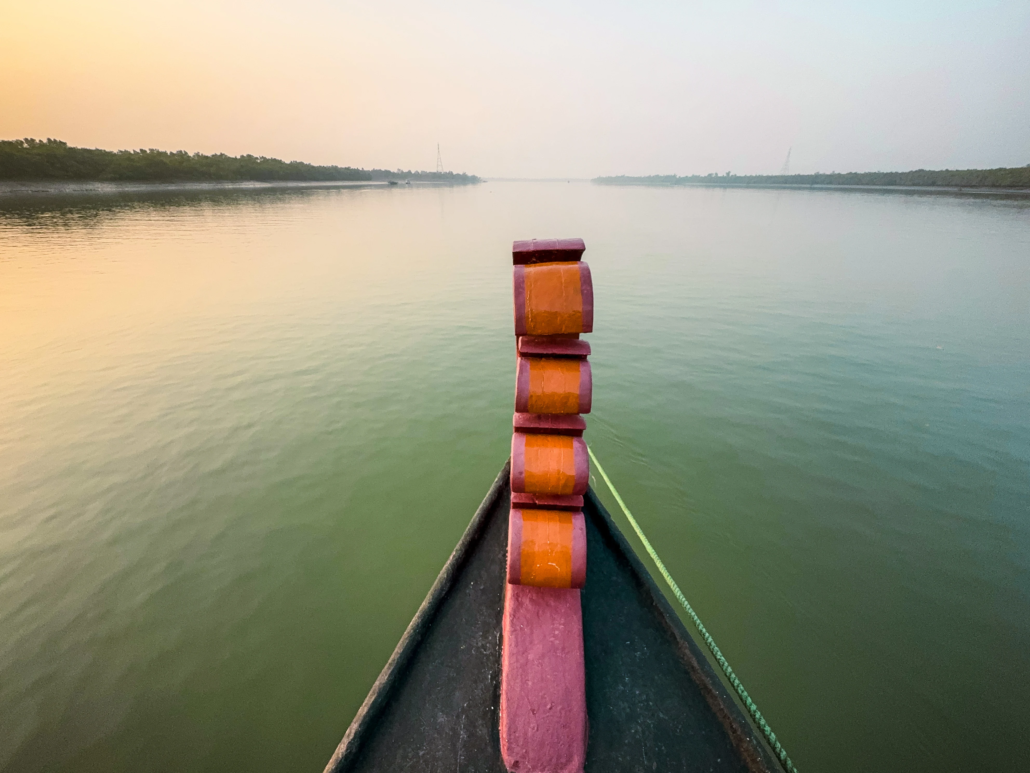
Summary: The best things to do in Sundarbans are the boat safari through the narrow creeks, the watchtower circuits at Sudhanyakhali and Sajnekhali, hand boat sailing into channels the launches cannot enter, the Bonobibi Pala folk drama in the evening, birdwatching across more than 350 recorded species, village walks on Satjelia island, sunrise on the river, the after-dark glow of phytoplankton on the water, and the deeper Netidhopani and Buridabri circuits reached only on longer tours. A Sundarban private tour lets you build the day around what you actually want to see rather than around a fixed group schedule.
Most first-time visitors arrive expecting a tiger and leave talking about something else entirely.
That is not a failure of the trip. It is the point of it. The Sundarbans is not a game park with predictable sightings, it is a tidal forest where the landscape itself is the attraction and the wildlife is a bonus that turns up on its own terms.
Here is what is genuinely worth doing, and roughly when each of them happens.
What are the core experiences on a Sundarbans trip?

The boat safari, the watchtowers and the creek network are the three things every itinerary is built around. Everything else layers on top of them.
The boat safari. You spend most of your daylight hours on the water, moving slowly through channels with mangrove on both banks. This is the trip, not a transfer between activities.
Sudhanyakhali watchtower. The best-known viewing point, with a freshwater pond that draws deer, wild boar and, occasionally, the tiger everyone came for.
Sajnekhali watchtower and interpretation centre. Useful early in the trip, because it explains what you are about to spend two days looking at.
Hand boat sailing. Small country boats, no engine, into narrow channels the larger launches physically cannot enter. For most guests this is the standout hour of the whole trip.
The creek network at high tide. The forest looks like a different place depending on the tide, which is why itineraries here are built around tide tables rather than clock times.
The hand boat deserves the extra note. With the engine off, you hear the forest properly for the first time: crabs on the mudbank, kingfishers, the sound of water moving through roots. Guests who have done both consistently rate it above the launch safari.
What can you actually expect to see?
Far more than the tiger, and the numbers make that clear. The Zoological Survey of India’s compendium for the region documents 2,626 faunal species across the Sundarban Biosphere Reserve, including 50 mammals and 356 species of birds.
Realistically, on a two or three day trip:
Birdwatchers do best here, and they do best in winter when migratory species arrive. If birds are your reason for coming, say so at booking, because the route and the timing both change.
The forest itself is worth studying too. West Bengal holds the largest share of India’s mangrove cover, as recorded in the Forest Survey of India’s national forest assessment, and a good guide will show you the difference between sundari, garjan and goran within the first hour.
What is there to do once the boats stop?
Evening activity is where a Sundarbans trip separates itself from a standard wildlife break, because the forest closes at sunset and the cultural programme takes over.
Bonobibi Pala. The folk drama of the forest goddess, performed by local artistes. It is the story the whole region organises itself around, and it explains more about the Sundarbans than any information board.
Local musical evenings. Informal, usually on the lawn or courtyard, and better for it.
Village walks on Satjelia. Ponds, paddy, brick paths and honey collectors’ homes. Fifteen minutes in and you understand why people here talk about the tiger the way they do.
Phytoplankton on the water after dark. On the right night the disturbed water glows. It is not guaranteed and no operator can promise it, but it happens.
Star watching. No light pollution worth the name. That alone surprises people from Kolkata.
Nothing here needs to be rushed. The rhythm of the place is slow on purpose, and guests who try to compress it into a checklist tend to enjoy it least.
Which itinerary length fits which experience?
One day covers the river and one watchtower. Two nights covers the full core circuit properly. Three nights unlocks the deep-forest routes that most operators do not run at all.
Netidhopani and Buridabri are the genuine differentiators. They sit far deeper into the forest, take a full day of sailing to reach, and almost no operator sells them, which is why they only appear on the longer Purely Wild itinerary.
If you only have a weekend, the 2 nights 3 days tour is the sensible default. It is the shortest itinerary that does not feel like it is hurrying you.
Do you need a guide, and does a private tour change anything?
A guide is mandatory inside the reserve, so the real question is whether you share one. A Sundarban private tour changes the pacing, the route and how much of the guide’s attention you get, which on a trip like this matters more than it does elsewhere.
What actually changes on a private booking:
Tide-led timing. Your departure can be set by the tide table rather than by the group’s convenience.
Longer stops. If the birding is good at one bend, you stay.
Route flexibility. Photographers, birders and families want three different days on the same river.
A guide who is answering you. Rather than a boatload of thirty.
A good sundarban tour guide is the difference between watching mangrove go past and understanding what you are looking at. Ask, before booking, whether your guide is from the delta itself. The local ones know where the pugmarks were yesterday.
Frequently asked questions
What is the best thing to do in Sundarbans?
The hand boat ride through narrow creeks is consistently rated highest by guests. With no engine noise you hear the forest properly, and the small boats reach channels that larger launch safaris physically cannot enter.
Can you see tigers in the Sundarbans?
Sightings are rare and cannot be promised by any operator. The mangrove is dense and tigers are famously elusive here. Most visitors see deer, crocodiles, monitor lizards and extensive birdlife instead.
How many days do you need in the Sundarbans?
Two nights and three days is the minimum for a relaxed trip covering the full core circuit. One day works only as a river cruise, and three nights is needed for the deeper forest routes.
Is a private Sundarbans tour worth the cost?
Yes for birders, photographers and families with children. A private tour allows tide-led timing, longer stops at good sightings and a guide’s full attention, all of which materially change what you see on the water.
What is there to do in the evening in Sundarbans?
The forest closes at sunset, so evenings are cultural. The Bonobibi Pala folk drama, local music, village walks and star watching make up the programme, with occasional phytoplankton glow visible on the water.
Why travellers book with Tour De Sundarbans
Because the difference between a good and a forgettable trip here is the guide, the boat and whether the itinerary follows the tide.
Tour De Sundarbans runs its own fleet, including Elmar, Para Siempre, Clandestino and Mangrove Mataal, from an eco village on Satjelia island reached via Godkhali. Guides are from the delta, the Bonobibi Pala is performed by local artistes, and the 1 day tour through to the four-day deep-forest circuits are all operated directly rather than subcontracted.
Come for the tiger if you like, but plan the trip around the water, the creeks and the evening. That is what people actually remember. To build an itinerary around what you most want to see, talk to our team.
Plan unforgettable experiences with a sundarban tour guide, from mangrove exploration and wildlife to immersive local adventures.

Rajesh Kumar Shaw loves the Sundarbans and passionately guides every visitor, sharing its stories and spirit through his own lived experiences.