
Wildlife Photography in Sundarbans: Tips from the Pros
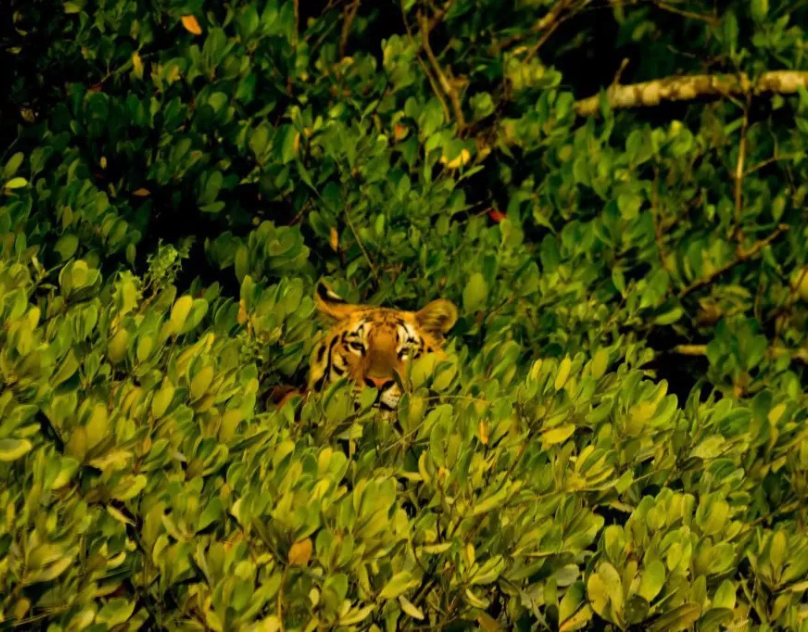
The Sundarbans rewards patience, not speed. Dawn and dusk give the best light. A long lens helps, because distance matters. Silence matters more than Zoom. Longer tours usually improve your keeper rate. Respect forest rules, permits, and boat limits. Tour de Sundarbans suits photo-led, eco-conscious travel.
Introduction
Wildlife photography in the Sundarbans is exciting, but it can also be difficult. The biggest challenge is not seeing wildlife. It is getting the right shot at the right moment. Many visitors feel this pressure. The boat keeps moving. The light keeps shifting.
The subject appears, then disappears before you are ready. This guide shows how to handle that challenge with confidence. You will learn what to pack, when to shoot, how to frame better images, and how to travel responsibly. You will also see how Tour de Sundarbans can support a smoother photo trip.
Why is the Sundarbans so hard to photograph well?
The Sundarbans is no ordinary wildlife zone. UNESCO describes it as the world’s largest mangrove forest. It straddles India and Bangladesh. It is also home to the Royal Bengal tiger. That beauty comes with movement, mud, tides, and distance.
That setting changes your shooting style. You do not stalk subjects on foot. You shoot from boats, watchtowers, and narrow waterways. The scene can open or disappear within seconds. That is why preparation matters more here than in many parks.
The best photographers treat the trip like fieldwork. They study animal behaviour. They wait for the right light. They do not chase every frame. Patience and familiarity with animal routines are crucial.
What gear should you take for a Sundarban Kolkata tour?
A good wildlife kit stays simple. You need warmth, stability, and protection from wet conditions. Adobe and National Geographic both stress fast shutter speeds, reduced camera shake, and a long lens for wildlife work.
Gear | Why it helps in Sundarbans | Priority |
Telephoto lens | Keeps shy subjects framed | High |
Monopod or tripod | Cuts boat shake | High |
Spare batteries | Long boat days drain power | High |
Rain cover | Protects gear from spray | High |
Fast memory cards | Helps burst shooting | Medium |
Binoculars | Finds birds before you shoot | Medium |
A telephoto lens is especially useful. Wildlife often stays distant. A stable hand also matters. Longer lenses magnify camera movement. Adobe also recommends image stabilisation or a tripod.
Keep your kit light. You will board boats, shift seats, and react quickly. A heavy bag slows you down. A simple pouch for spare batteries, cards, and lens cloths is usually enough.
Which tour length gives you the best photo chances?
Short tours can work. Longer tours usually work better. Tour de Sundarbans offers a 1-day tour at Rs 3000 per person. It also offers longer stays, including 1-night, 2-day; 2-night, 3-day; and 3-night, 4-day options.
Tour length | Best for | Photo outcome | Budget feel |
1 day | Tight schedules | Quick, mixed results | Entry-level |
1N2D | Weekend travellers | Better sunrise odds | Moderate |
2N3D | Serious hobbyists | Stronger keeper rate | Better value |
3N4D | Photo-first travellers | Best overall flexibility | Premium |
Tour de Sundarbans also recommends at least 3 nights and 4 days, and even 4 nights 5 days for deeper immersion. That suits photographers well. More time means more light windows, more resets, and less pressure.
For a Sundarban Kolkata tour, this matters a lot. The best frames often come from repeated attempts. One trip can be memorable. A longer trip can become portfolio material.
How do you shoot better from a boat?
Boat photography rewards balance and timing. The forest is moving. Your platform is moving too. So the simplest rule is this. Keep your body steady and your settings ready.
What should your shooting routine look like?
- Sit low and brace your elbows.
- Keep one eye on the subject.
- Keep one eye on the background.
- Shoot in bursts, not single clicks.
- Use a fast shutter speed.
- Focus on the eyes when possible.
- Avoid sudden movement and loud talk.
That routine helps with bird, crocodile, and tiger sightings alike. Adobe recommends fast shutter speeds for motion. National Geographic also advises faster speeds with long lenses. In the Sundarbans, sharpness often beats artistic risk.
When is the light best?
Golden hours matter here. Early morning gives softer tones and calmer water. Late afternoon also works well. Natural light and the golden hour for nature photography. That advice fits the Sundarbans perfectly.
If the sky turns flat, do not quit. Switch subjects. Focus on mangrove roots, reflections, birds, or silhouettes. Great wildlife stories are not only about tigers. They are about atmosphere too.
What rules should you follow in the Sundarbans?
The rules are strict for a reason. The Department of Sundarban Affairs says the area is a no-plastic zone. It also says visitors need valid permits, must travel only from sunrise to sunset, and should keep away from wildlife.
Rule area | What to do | Why it matters |
Permits | Enter only with valid permission | Legal access |
Noise | Stay quiet on a boat. | Less disturbance |
Plastic | Carry none | Protects habitat |
Drones | Avoid them | They are prohibited |
Timing | Follow daylight entry rules | Safety and compliance |
The Sundarban Tiger Reserve rules also ban loud music, smoking, single-use plastic, and drones inside the forest area. Boats must follow prescribed routes. Tourists must cooperate with permit checks.
This is not just about rules. It is about better photography too. Calm waters make steadier shots. Quiet guests increase sighting chances. Responsible travel improves the whole frame.
Why does Tour de Sundarbans work well for photographers?
Tour de Sundarbans positions itself around eco-centric travel. The brand began in 2006 and built an eco-village across six acres, nature-led stays, local culture, and carefully managed experiences.
That matters for photographers. You need time, not just transit. You need space to rest between shoots. You also need local knowledge. Tour de Sundarbans promotes night safaris, hand boats, and cultural evenings, all within a responsible travel frame.
Which package style should photographers prefer?
Travel need | Best fit | Why it helps |
First-time visit | 1-day tour | Quick overview |
Better dawn access | 1N2D | More sunrise chances |
Stronger wildlife odds | 2N3D | More field time |
Serious photo trip | 3N4D | Maximum flexibility |
If you want a Sundarban Kolkata tour with more creative breathing room, longer stays are the smarter pick. Tour de Sundarbans already frames its longer trips around immersion, which suits wildlife photography well.
Frequently Asked Questions
Is the Sundarbans good for beginners?
Yes. The Sundarbans suits beginners because sightings are guided. The key is patience. Start with birds, boats, and landscapes before chasing big wildlife.
What is the best season for a Sundarban Kolkata tour?
The official Sundarban Tiger Reserve site says October to March is the best season. Winter also supports easier travel and better comfort.
Can I use a drone for wildlife shots?
No. The Sundarban Tiger Reserve rules prohibit drones inside the forest area. Use a telephoto lens instead. It is safer and fully compliant.
Do I need a permit?
Yes. The Department of Sundarban Affairs says valid permits are required. Entry is also limited to daylight hours.
Is one day enough for good photos?
It can work for a first look. Still, longer trips usually produce better results. Tour de Sundarbans recommends at least 3 nights 4 days for deeper immersion.
What should you remember before you book?
Wildlife photography in the Sundarbans is about patience, timing, and respect. Bring the right lens. Travel quietly. Follow forest rules. And stay long enough to let the forest reveal itself. UNESCO recognises this landscape as the world’s largest mangrove forest. That scale deserves time.
For a photo-led sundarban kolkata tour, Tour de Sundarbans offers an eco-focused base, longer stays, and a local travel style that fits the region. Better planning leads to better frames. Better frames lead to better memories.
Talk to an expert at Tour de Sundarbans and plan your Sundarbans photo trip today.
As a local resident, I’m passionate about sharing real-life stories of the Sundarbans – its people, their struggles, and their inspiring triumphs.