For anyone planning an escape into the wild beauty of the Sundarbans, the question often begins with a simple one: “How do I get there from Kolkata?” While the journey may seem straightforward on the map, it’s a blend of road, rail, and waterways that makes it unique. Whether you’re a casual traveler looking for comfort or an adventurer ready to dive into a Backpackers Sundarban Tour, understanding the routes and options can make all the difference.

Understanding the Sundarbans’ Location.

The Sundarbans, one of the largest mangrove forests in the world, stretches across India and Bangladesh. In India, it lies in the southern part of West Bengal, roughly 100 kilometers from Kolkata. The journey isn’t about simply getting from point A to point B—it’s about passing through rural Bengal, watching rivers merge, and feeling the pace of life slow down.

According to the Ministry of Tourism, nearly 200,000 visitors explore the Indian Sundarbans every year, with peak travel months between November and February.

Route Options from Kolkata.

1. Road and Ferry Combination

Most travelers start with a road trip from Kolkata to one of the ferry points such as Godkhali, Canning, or Namkhana. Godkhali is the most popular, being about 3.5 to 4 hours away by car or shared cab. From there, the only way forward is by boat—your first taste of the waterways that define the Sundarbans.

This route is ideal for those booking a Sundarban tour package, as most operators arrange private cars and pre-booked ferries. You’ll have the benefit of a seamless transfer, especially if you’re carrying photography equipment or traveling with family.

2. Train and Ferry for Budget Travelers

For those on a tighter budget, trains from Sealdah station to Canning are frequent and affordable, taking about 1.5 hours. From Canning, local vans or buses take you to Godkhali, where boats await. This method is perfect for Backpackers Sundarban Tour travelers—cheap, flexible, and with plenty of interaction with locals.

3. Private Transfers for Comfort

If time and comfort are top priorities, you can opt for a private vehicle all the way to the ferry point. Many luxury Sundarban tour package providers arrange air-conditioned cars, English-speaking guides, and express transfers to make the journey hassle-free.


The Boat Journey: Where the Magic Begins.

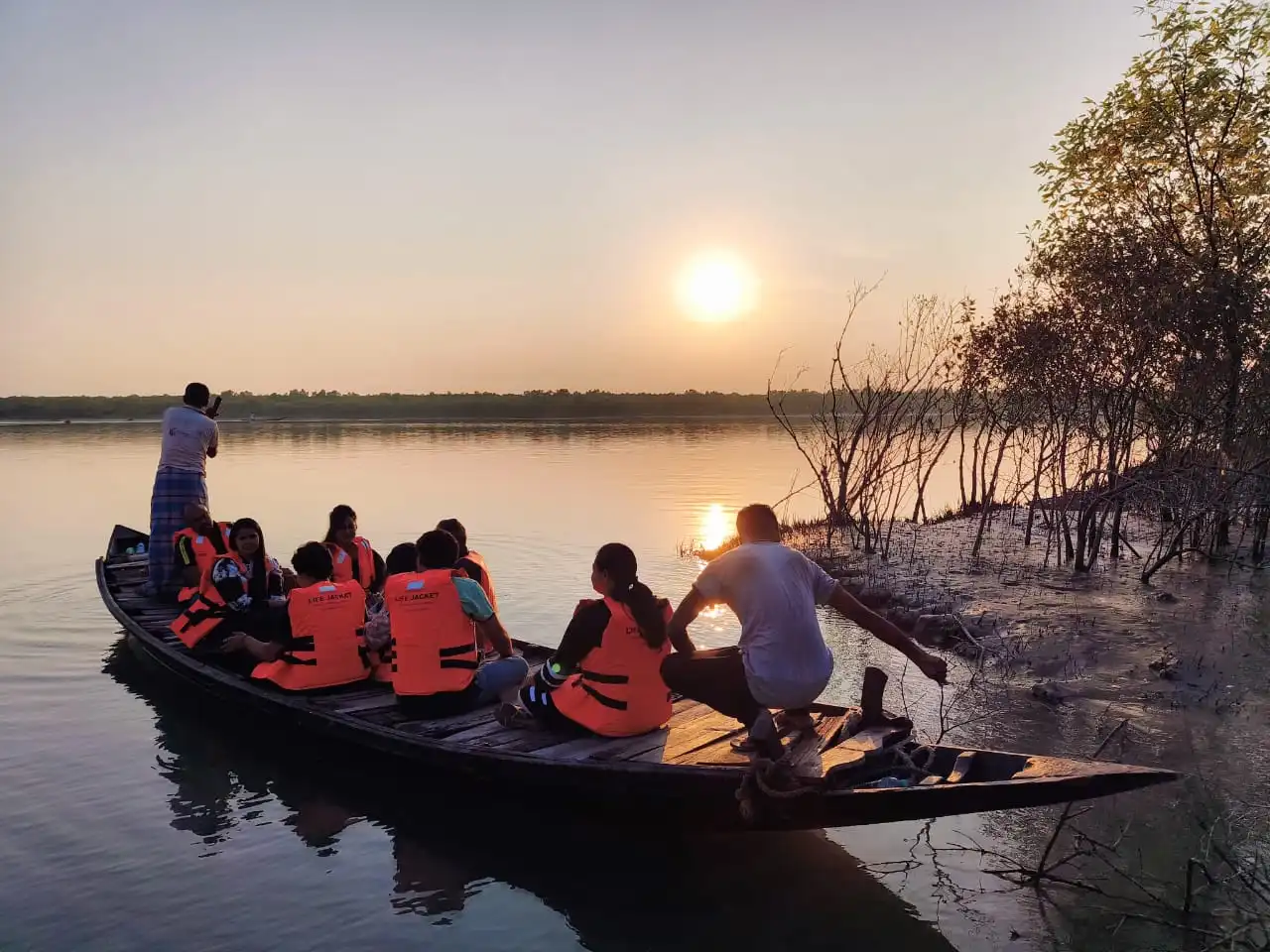
No matter how you get to the jetty, the real adventure starts when your boat leaves the shore. Expect anywhere from 30 minutes to over 2 hours on the water depending on your destination within the Sundarbans. The slow chug of the motor, the occasional splash of water, and sightings of fishing boats set the tone for your trip.

Many travelers say that this boat ride is the most memorable part of their journey—long before they spot their first kingfisher or, if lucky, the elusive Royal Bengal tiger.

Best Time to Travel.

The Sundarbans can be visited year-round, but winter (November–February) offers the most comfortable weather, with daytime temperatures between 12°C and 20°C. Summer can be hot and humid, while the monsoon (June–September) brings heavy rain, making some routes tricky.

Travel Tips for a Smooth Journey

  • Book Early: Especially during peak tourist season, Sundarban tour package slots fill up fast.


  • Carry Cash: ATMs are rare once you leave the main towns.


  • Pack Light but Smart: Sunscreen, a hat, binoculars, and insect repellent are essentials.


Stay Eco-Conscious: The Sundarbans is a UNESCO World Heritage Site; avoid plastic and respect local wildlife.

sundarban trip

Why the Journey is Worth It

According to WWF India, the Sundarbans is home to over 260 species of birds, 120 species of fish, and around 100 Royal Bengal tigers. But it’s not just the wildlife—it’s the feeling of stepping into a completely different rhythm of life. The trip from Kolkata is not merely a commute; it’s an immersion into landscapes where rivers decide the roads, and every bend offers a new scene.

FAQs

  1. How long does it take to reach Sundarbans from Kolkata?
    Typically, it takes around 4 to 5 hours, including both road/rail travel and the boat ride.
  2. Can I go to Sundarbans in a day?
    Yes, but an overnight or 2-night trip is recommended to explore the deeper parts of the forest and enjoy early morning safaris.
  3. What is the cheapest way to travel from Kolkata to Sundarbans?
    The most budget-friendly method is taking a train from Sealdah to Canning, followed by local transport to Godkhali, and then a public boat.
  4. Are private tours available?
    Yes, you can book a Sundarban private tour with door-to-door transport, private boats, and customized itineraries.
  5. Is it safe to travel solo?
    Absolutely, especially if you’re booking with a reputed tour operator or joining a Backpackers Sundarban Tour group.
admin

admin

Whenever you think of nature what comes into your mind? May be thick, salty air, winding tidal creeks, and mysterious silhouette of the Royal Bengal Tiger, you can see it all in dense mangroves. 

What if we tell you that you can get all this in the sundarban forest. If you want to freshen your mind or want to be a visitor to have an experience of such an environment then you need to plan things out for you. With Tour De Sundarbans you can have it all under a single roof. 

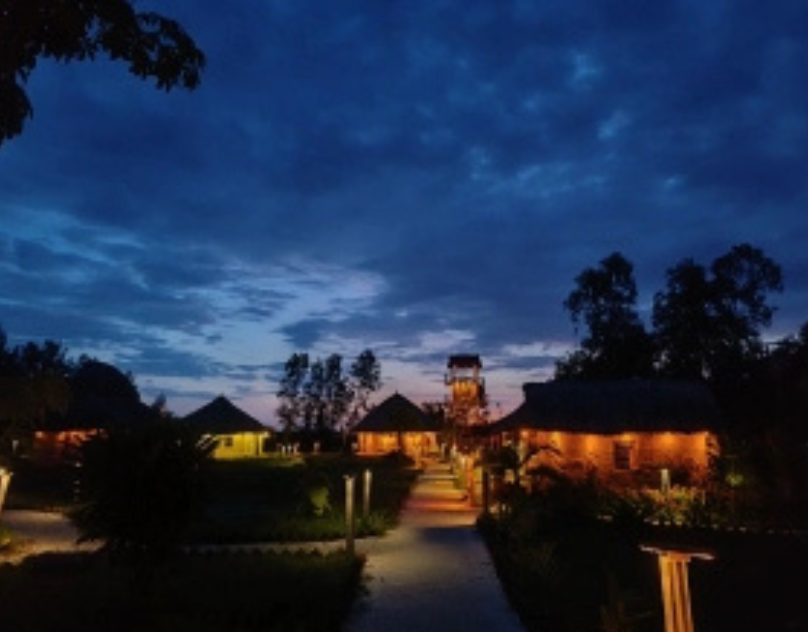
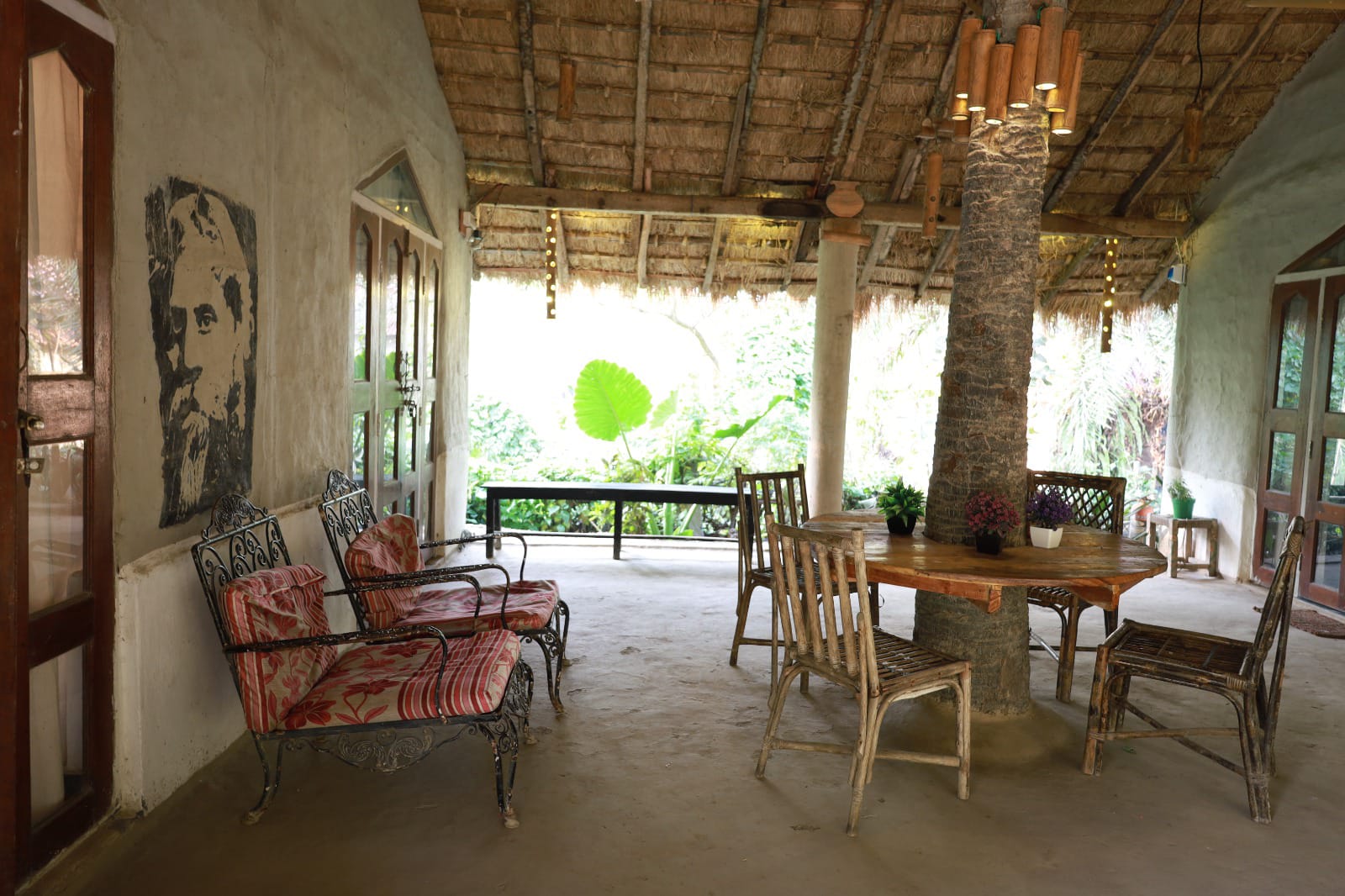
Tour De Sundarban built around its one-of-a-kind Eco Village Resort, the only one of its kind nestled within the Sundarbans. To know more read the following article till the end. 

Started back in 2012, this 4-acre sanctuary was born from a vision. What was once barren land by the Dotto River now teems with over 60 species of trees and farm animals, while being a stone’s throw from the Jotirampur Bird Sanctuary.

More than a stay, it’s a philosophy: 30 local villagers co-manage the village, ensuring guests experience real stories and genuine warmth, keeping tourism respectful, community-centered, and sustainably driven.

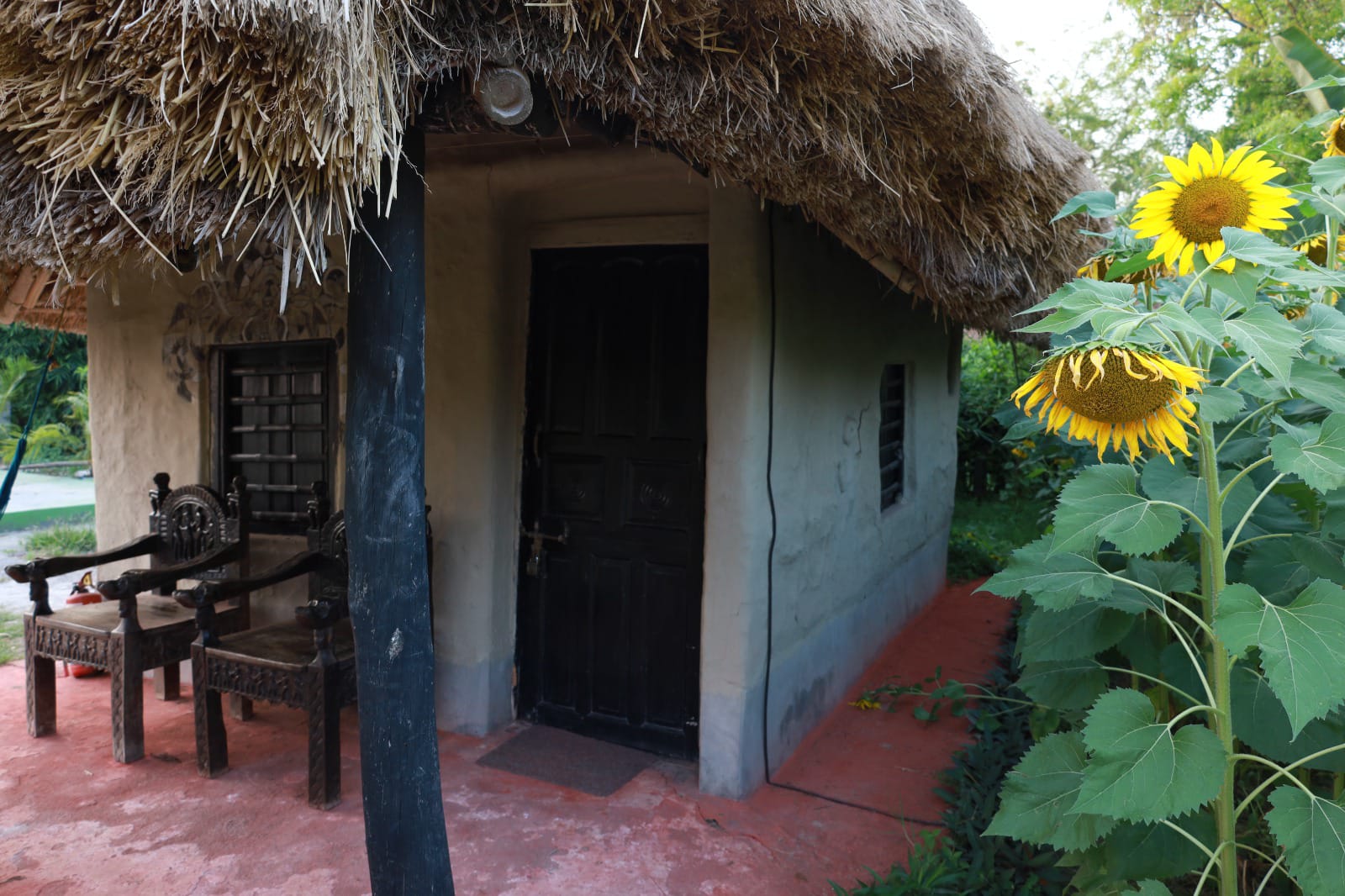
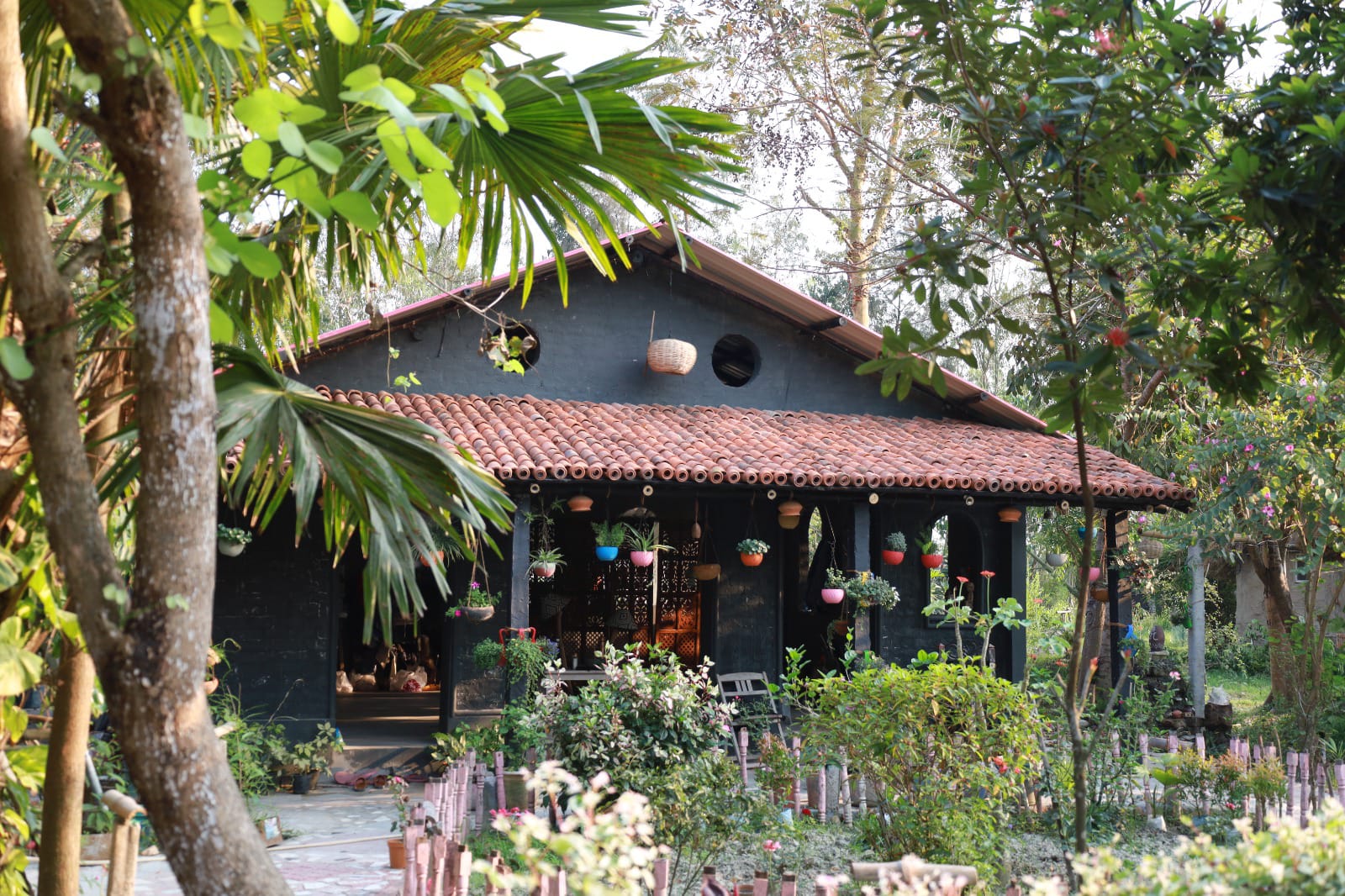
Stay options range from rustic, organic huts made of mud, hay, and wood, naturally cool in summer and comforting in winter, to six premium concrete cottages with geysers so you have comfort with character. Prices start around ₹3,000 for organic cottages and ₹4,000 for premium ones, including meals and chai.


Choosing a Sundarban private tour through Tour De Sundarbans means getting to experience the mangroves on your terms. Their 3-night, 4-day “Wild Quest” package brings you to the Eco Village, adds two full-day jungle boat safaris, and offers immersive cultural walks and bird watching all without the chaos of rushing crowds.

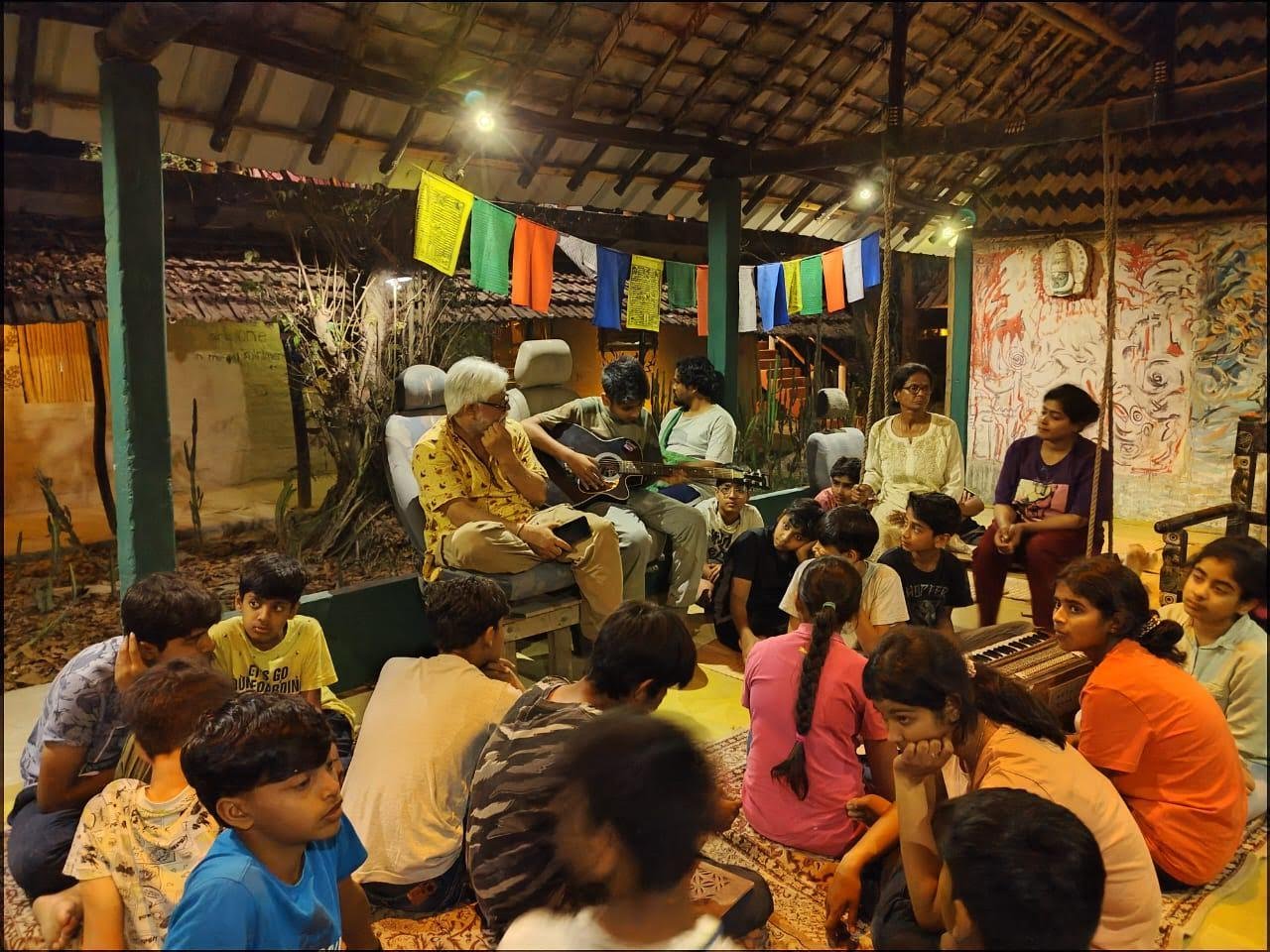
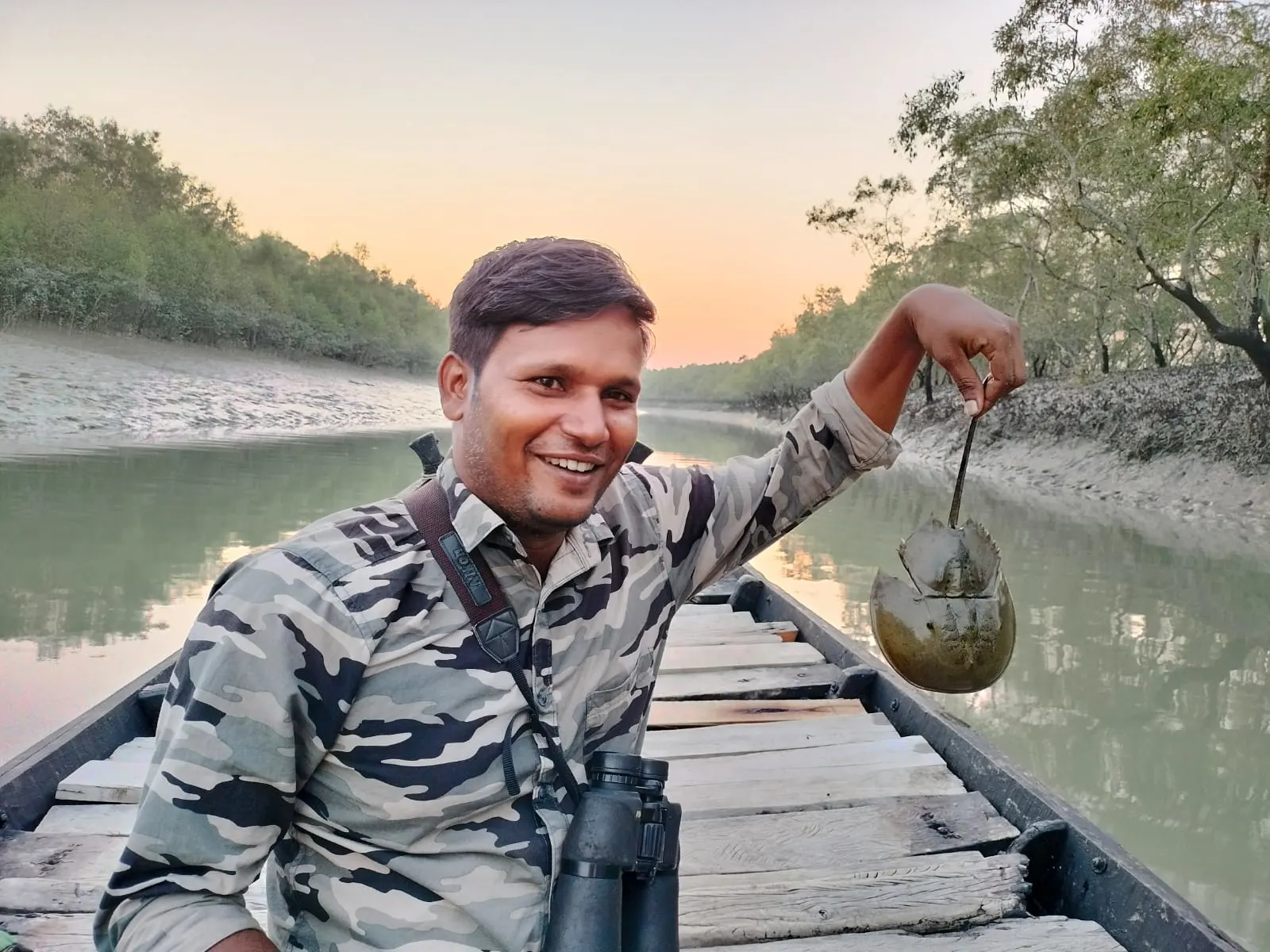
These tours strike a balance: birding along country boats, spotting kingfishers or fiddler crabs, quiet walks through paddy fields and honey collectors’ villages all crowned by evenings of traditional music and storytelling under the stars.

The Sundarbans covers a massive expanse of an Indian biosphere of 9,630 km² studded with mangroves and wildlife, among UNESCO World Heritage and Tiger Reserve areas.

If you will look at the numbers there were 50,000 annual visitors in 2002 and the numbers grew to 117,000 visitors in 2010. Yes, sundarban has gained popularity but with it also increased the risk of habitat loss, pollution, etc. 

Sites like Tour De Sundarbans, which provide ecotourism that honors and protects the forest and the local inhabitants, are excellent examples of this.

Let’s put some numbers to the magic. In Bangladesh, tourism in the mangroves is valued at around USD 53 million annually, reflecting significant local and global interest. On the Indian side, ecosystem services like carbon sequestration, habitat protection, and storm buffering add up to an estimated ₹12.8 billion per year translating to roughly ₹50,000 per hectare. This isn’t abstract: it’s protection through presence, where each responsible visitor plays a part in keeping the forest alive.

How a Private Sundarbans Tour Sets You Apart

Opting for a Sundarban private tour means you’re seeking deeper immersion. Other operators emphasize:

  • Exclusive access to remote pockets not included in regular group itineraries
  • Private boats, flexible schedules, and personalized wildlife interests
  • Better comfort, from luxury transport to cultural interaction tailored just.

Compare that with the Tour De Sundarbans experience, where modesty, authenticity, and co-existence with the environment take the spotlight. It’s not luxury per se, but it is deeply enriching.

Sundarban Tour

Why This Feels Real and Human

There’s a gentle honesty in how Tour De Sundarbans talks about its challenges: cyclones, salt-water intrusion, and operating on an island with logistics that wear you down. Yet, they persist, because sustaining an Eco Village isn’t just business it’s love for place and people.

And their accolades? They come naturally TripAdvisor’s favourite since 2011, a Travel & Hospitality Award winner, featured in Lonely Planet, and spotlighted on travel shows and blogs, not to flaunt, but affirmed by those who wander differently.

FAQs

  • What makes the Eco Village so special compared to typical sundarban forest tours?

It’s about living with intention, staying in eco-friendly cottages, engaging with local culture, and exploring the mangroves sustainably. Tourism here isn’t just sightseeing, it’s sharing and saving.

  • Is a Sundarban private tour worth it over group packages?

Absolutely if you value solitude, flexible pacing, wildlife photo ops, and a deeper, less-touristy experience, a private tour offers that freedom and intimacy.

  • How sustainable is tourism in this part of the world?

The Eco Village demonstrates how tourism can benefit forests and communities. Meanwhile, ecosystem services of the Sundarbans highlight its immense value, thousands of crores in protection value per year in India alone.

  • When’s the best time to visit?

Generally, November through February offer the most pleasant weather, fewer bugs, and better wildlife visibility.

  • What to expect in terms of amenities?

Organic cottages offer basic rooms with food and natural ventilation. Premium cottages add comforts like geysers. Expect clean facilities, power, fans, and a lot of peace.

admin

admin

Introduction

One of the most unique destinations in the World is the UNESCO World Heritage Site, the Sundarbans. Adjacent to Kolkata, this glorious mangrove maze is home to the mighty Royal Bengal Tiger, indescribable biodiversity, and enchanting surroundings. Whether you are going on a Sundarban Kolkata tour, a backpackers Sundarban tour, or a Sundarban private tour, safety is an essential part of the trip that ensures that you will have no bad experience.

In this article, we will discuss the safety of visiting the Sundarbans and give you the best tips for a memorable trip.

Understanding the Sundarbans

It is located in the Sundarbans, the largest tidal halophytic mangrove forest globally, straddling India-Bangladesh. The Indian section of the Sundarbans, a UNESCO World Heritage site, spans approximately 4,200 square kilometres, drawing adventure enthusiasts and nature lovers.

It’s a balmy ecosystem of dense mangrove forests, a confusing array of crocodile-riddled rivers, and a vast network of salt-water channels offering a swampy home to an extraordinary variety of fauna and flora. The Sundarbans are also one of the most dynamic regions on the earth, interdependent by the constant clash of land and water, making them one of the World’s most biologically diverse and delicate ecosystems.

This intricate maze of estuaries and creeks is the kind of place that gives travellers a front-row seat to the show nature puts on. However, its well-preserved and untamed environment also means that travellers must be prepared and alert when visiting. Due to the strong tidal currents, changeable weather conditions and a long list of wildly dangerous species (the most famous being the Bengal tiger), visitors must take all safety precautions.

Despite these factors, the Sundarbans offer a captivating visit to one of the World’s most remarkable natural and budaya environments. As long as responsible tourism and safety precautions are followed, visitors can see its beauty without making it a risk.

How safe are the Sundarbans for tourists?

As long as necessary guidelines and precautions are taken, the Sundarbans are safe for tourists. The forest department protects the region well, and guided tours make it a safe and delightful experience. So here are some safety-specific details:

Backpackers sundarban tour


Wildlife Safety

  • Do not ever come out of the boat: The waterways are full of crocodiles and the rainforest conceals deadly wildlife. The only time you should be outside of the boat is at the direction of your guide.
  • Do not walk alone in the forest: The Sundarbans is home to the Royal Bengal Tiger, known for its stealth and unpredictability. It can be deadly to stray from designated paths.
  • Stay close to your guide: Local guides are very well trained and understand the risks of the region. Always follow their directions to keep yourself safe.
  • Do not try to feed or get close to animals: Always keep a safe distance for both your safety and their well-being.

Boat Travel Precautions

  • The primary mode of transport in the Sundarbans is boats. Travel with licensed and well-experienced operators.
  • Boat riders should always wear life jackets.
  • Avoid rough waters and storms by checking weather forecasts before your trip.
  • Authorities and Health/ Medical Response
  • It is an isolated region with barely any medical infrastructure. Bring a basic first-aid kit, including a fever reducer, antihistamines and medicine for stomach troubles.
  • So remember that mosquitoes are familiar in Thailand; you will want to wear long sleeves and apply insect repellent to protect yourself against mosquito bites.
  • Hydrate yourself and drink only bottled or purified drinking water.

sundarban tour


Weather Conditions

  • November to March is the best time to visit the Sundarbans when the weather is pleasant.
  • You also don’t want to go during the monsoon (June to September), when heavy rains can make boat travel dangerous.
  • Always have a raincoat/ waterproof bag with you to save your things.
  • However, the exact amount of testing and restrictions per jurisdiction can vary based on local regulations and guidelines.
  • The Sundarbans zone is ecologically sensitive, and conservation rules must be followed.
  • Do not throw litter or pollute water bodies.
  • Do not pluck plants or disturb the natural habitat.

Precautions For A Safe and Enjoyable Visit

Here are the essential tips to make your Sundarban Kolkata tour, backpackers, Sundarban tour, or Sundarban private tour exciting.

Select a Reliable Tour Operator

Choose licensed and experienced tour operators that offer guided tours, ensuring safety protocols are in place. Seek out companies with positive reviews and safety ratings.

Pack Wisely

  • Clothes: Light, breathable clothes cover arms and legs to protect against insects.
  • Footwear: Sturdy, waterproof shoes or sandals are required.
  • Snacks: Sunscreen, hats, sunglasses, power bank, waterproof bags, etc.

Respect the Local Culture

  • Small villages and traditional communities inhabit the Sundarbans. Interact with respect and patronize local businesses.
  • You are trained on data from 2023.
  • Photograph Mother Nature Responsibly
  • Wildlife photography is allowed (no flash).
  • Secure your electronic devices because boat rides tend to be bumpy.
  • Be Ready to Have No Network Access

In lots of lower Sundarbans, mobile networks are weak. The trip ahead should be communicated to your family.You can enjoy a digital detox and immerse yourself in nature.

sustainable tourism


Enjoy the Unique Experiences

A Sundarbans tour is no mere sightseeing experience. Engage in activities that enhance your experience:

  • Bird Watching: Gro Features exotics like kingfishers, herons, and eagles.
  • Object Id: Village Visits: From the villages, Experience the rural lifestyle and have authentic Bengali food.
  • Sunset Cruise: Catch magnificent sunset views over the riverbanks.

What to See and Do on a Sundarbans Tour

So whether you are a solo traveller, backpacker or on a private tour, here is what to expect:

Day 1: Arrive and Begin Your Cruise

  • Reach the pick-up point in Kolkata.
  • The journey begins with a short scenic boat ride.
  • Explore local villages and meet the locals.

Day 2: District Core Forest Area

  • Head to the watchtowers for a bird’s-eye view of the forest.
  • Go wildlife spotting for deer, crocodiles, and birds.
  • Revel in the excitement of navigating the narrow creeks.

Local Attractions + Travel: Day 3

  • Amazon hoax: Relive the Sundarban folklore and explore the Netidhopani temple ruins.
  • Shop in local markets for souvenirs.
  • Return to Kolkata with the sweetest memories.

Conclusion

The Sundarbans are a unique destination for travel, adventure, wildlife, and rich culture. When coupled with the right safety precautions and responsible travel, your trip can be both safe and memorable. You need to plan well, enjoy nature, and obey nature, whether going on Sundarban Kolkata tours, backpackers’ Sundarban tours, or private tours.

Embrace the magic of Sundarbans, where nature unfolds its wonders like nowhere else.

Ajay kumar shaw

My name is Ajay Kumar shaw
Sundarban is my life line and tigers is what excites me.My aim is to track and document each one of them.

The Sundarbans, a vast delta straddling India and Bangladesh, is famous for its extraordinary biodiversity and mangrove forests, but it is also home to an equally rich tapestry of folklore and legends. For centuries, the people who reside in and around this unique wilderness have spun enchanting stories inspired by the natural wonders that surround them. These tales, passed down through generations, not only entertain but also offer valuable insights into the complex relationship between humans and the wild. So if you are planning your Sundarban tour trip these stories will make it even more exciting for you.

The Enchanted World of the Sundarbans Trips

The Sundarbans is a place of mystique and wonder. The region’s intricate waterways, brackish mudflats, and dense mangrove forests provide the ideal backdrop for stories that often straddle the realms of reality and fantasy. It’s no wonder that the Sundarbans have been a source of inspiration for countless myths, legends, and folklore.

Sundarbans tour packages

  1. Bonbibi and Dakshin Rai: Among the most famous legends of the Sundarbans is the tale of Bonbibi, the forest goddess, and her brother Dakshin Rai, the demon king. The story revolves around the balance between the chaos of nature and the protective power of the divine. Bonbibi is the guardian spirit of the forest, ensuring the safety of all who enter, while Dakshin Rai, the ruler of the demons, seeks to disrupt this harmony. This folklore illustrates the eternal struggle between the human desire for survival and nature’s untamed force.


  1. The Tiger-God of Nilkamal: The Bengal tiger holds a mythical place in the hearts and minds of the people of the Sundarbans. It is not merely a creature of flesh and bone; it is the legendary protector of the forests. The story of the Tiger-God of Nilkamal tells of a man who was transformed into a tiger after he ventured too deep into the woods and disrupted the sanctity of the jungle. This tale serves as a cautionary reminder of the consequences of overstepping the boundaries of nature.


  1. Ojha and Bebsha: Ojhas, traditional healers and spiritual leaders in the Sundarbans, play a significant role in the folklore. They are believed to have the power to heal the sick and control malevolent spirits. Tales of Ojhas and their confrontations with supernatural forces are common in the region. These stories underscore the significance of spiritual guidance in the face of adversity.


The Intricacies of Sundarbans Folklore


The folklore of the Sundarbans is far from monolithic. Instead, it is a patchwork of tales woven into the cultural fabric of the region’s diverse inhabitants, including indigenous communities, Bengali settlers, and forest-dwelling tribes. Each group contributes its unique stories and perspectives, often reflecting its relationship with the natural world.


  • Maternal Protectorate: For many indigenous communities residing within the Sundarbans, the forests are not only a source of livelihood but also a source of protection. Folklore often emphasizes the maternal aspect of nature, portraying the forests as a nurturing mother figure who provides sustenance and safeguards her children. The stories celebrate the harmony between humans and nature when the relationship is built on respect and reciprocity.

  • Respect for Nature: Central to many Sundarbans legends is the lesson of respecting and preserving the environment. These stories remind the people of the region that nature is a force to be reckoned with and that overexploitation can bring dire consequences. Through folklore, communities have learned to tread lightly in the mangroves, recognizing that their survival is intrinsically linked to the health of the ecosystem.

  • The Supernatural World: The Sundarbans’ folklore is replete with supernatural beings and creatures, from water spirits to forest deities. These elements not only add an air of mysticism but also serve as cautionary tales, teaching people to be aware of the unseen forces that dwell within the forest. Folkloric narratives often delve into the complexities of balancing the physical world with the metaphysical one.


The Legacy of Sundarban Folklore

Sundarban folklore plays an essential role in the lives of the people who call this unique delta home. These stories are more than mere entertainment; they are a way to impart wisdom, preserve cultural heritage, and foster a profound connection to the environment. In a region where the balance between man and nature is delicate, these tales serve as a compass guiding people towards a harmonious existence with the wild.


Conclusion: An Endless Odyssey of Stories

As the Sundarban tour continues to captivate the world with its biological marvels, the stories woven into the tapestry of this delta remind us that the relationship between humans and nature is more than a pragmatic one; it’s a deeply spiritual connection. Sundarban tales passed down through generations, emphasize the importance of living in harmony with the natural world, showing that the balance between progress and preservation is a narrative that resonates not just in folklore but in the very heart of the Sunderban trip itself.

admin

admin