Desiring to escape the urban mayhem all at once, a One Day Sundarban Package Tour would be the perfect means through which one can be one with nature. Situated where the Ganges, Brahmaputra, and Meghna rivers confluence, the Sundarbans is the largest mangrove delta in the world and a World Heritage Site as classified by UNESCO. The beauty of the area lies in its unspoiled woods, meandering creeks, thickets of mangroves, and the shy Royal Bengal Tiger, all put together, making it the most romantic weekend getaway from Kolkata.

Irrespective of whether you are a solo traveler, a couple looking for privacy and peace, or a group of small friends in search of an adrenaline rush, a Sundarban private tour promises you an experience as per your plan and time.

Why go for a One-Day Sundarban Tour?

A day tour helps you have the best of Sundarbans without chopping off long leaves from your calendar. It is most appropriate for those looking for a short, planned, and emotional trip to the belly of Bengal’s paradise.

Here are the reasons to spend hours on it:

  • Convenient Duration: Ideal for a weekend or a sudden family picnic.
  • Cost-Effective: With high value, fully guided tours, and food.
  • Immersive Experience: River cruise, wildlife taste, and village life all in one day.
  • Hassle-Free Planning: Most tour operators take care of meals, transportation, and permits.

If you are a private traveler, the Sundarban private tour allows more intimacy and flexibility; you decide the pace, visit the off-the-beaten-track sites, and don’t face crowds.

Start from Kolkata: The Journey Begins

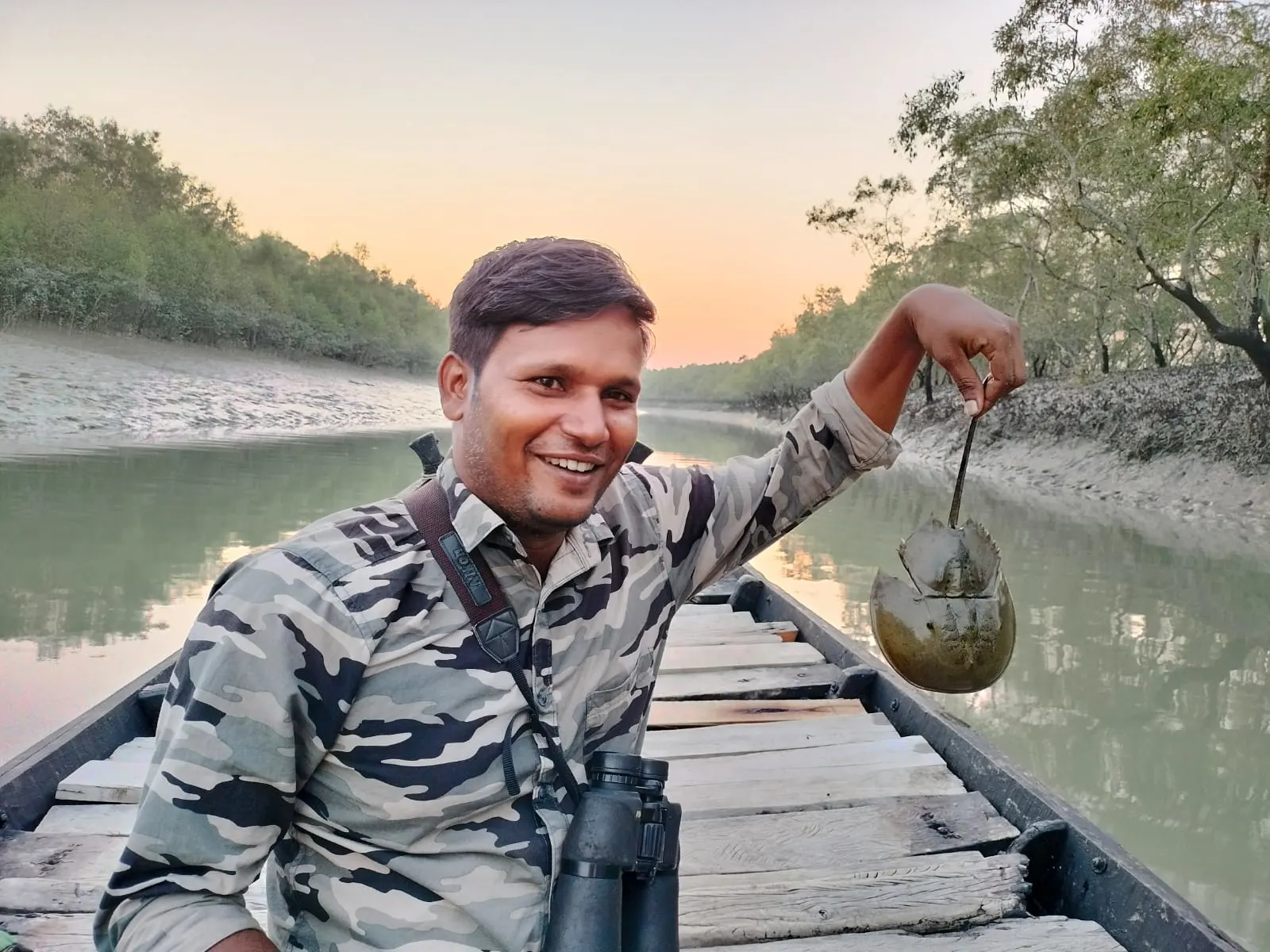
The standard Sundarban package tour starts early in the morning from Kolkata, 5:00 to 6:00 AM. You are accompanied in a clean and tidy AC car or tempo traveler, which takes you on the rolling Bengal landscape to Godkhali, the entry point of Sundarbans, at 8:30 AM. You next get into a motorboat which travels through pure backwaters, mangrove islands, and dense forest creeks.

While the boat glides smoothly along calm waters, the open blue sky’s horizon with birds chirping makes it a peaceful location. The sun rising on the horizon presents a breathtaking landscape, a photographer’s paradise. 

The Heart of Sundarban: Mangroves and Wildlife

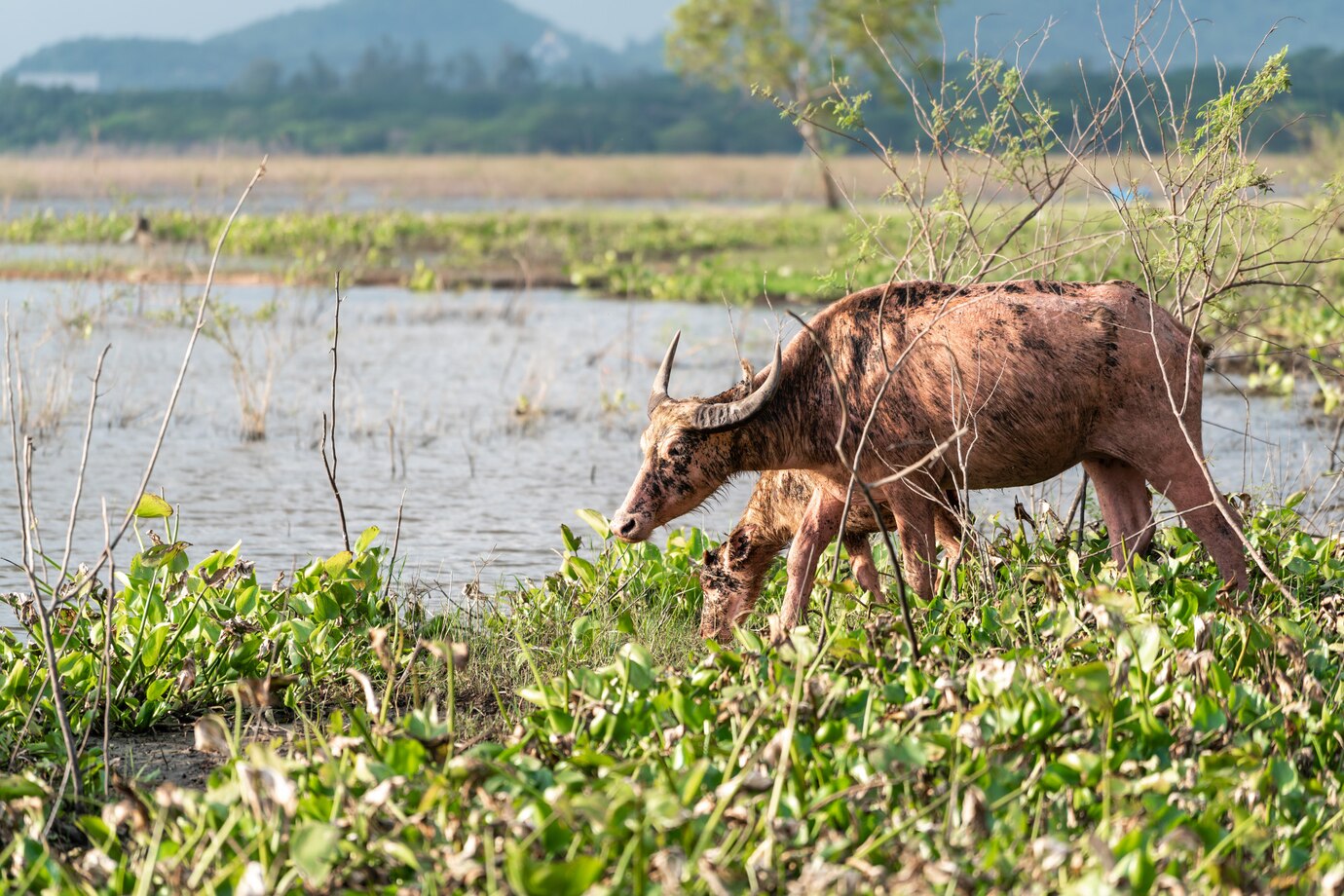
What makes the Sundarban private tour special is the thrill of discovering a wildlife escapade in a living mangrove forest. The 10,000 sq. km.+ forest is home to over 200 species of birdlife, saltwater crocodiles, spotted deer, and of course, the beautiful Royal Bengal Tiger.

Your boat tour would include famous watchtowers like:

  • Sajnekhali Watchtower
  • Sudhanyakhali Watchtower
  • Dobanki Canopy Walk

All these locations offer stunning panoramic views of the landscape and a chance to witness wildlife in its natural habitat. Mudskippers to fishing cats, every corner of the forest has a survival and adaptation story of tidal wilderness.

Cultural Encounters: Life in the Delta

Apart from the jungles, the human side of Sundarbans is no less interesting. Fishermen, honey gatherers, and farmers who live in villages in perfect harmony with nature occupy the villages. You can stay in these villages during your Sundarban tour package, interact with people, and experience rural life away from city mayhem.

The folk ballads of the Aboriginal tribe, “Bonbibi,” echo with such pious and courageous sentiments. The experience becomes a truly tangible taste with the chance to witness Bengali traditional food preparation by village women or handicraft in preparing hand-made souvenirs.

A Gastronomic Delight on Water

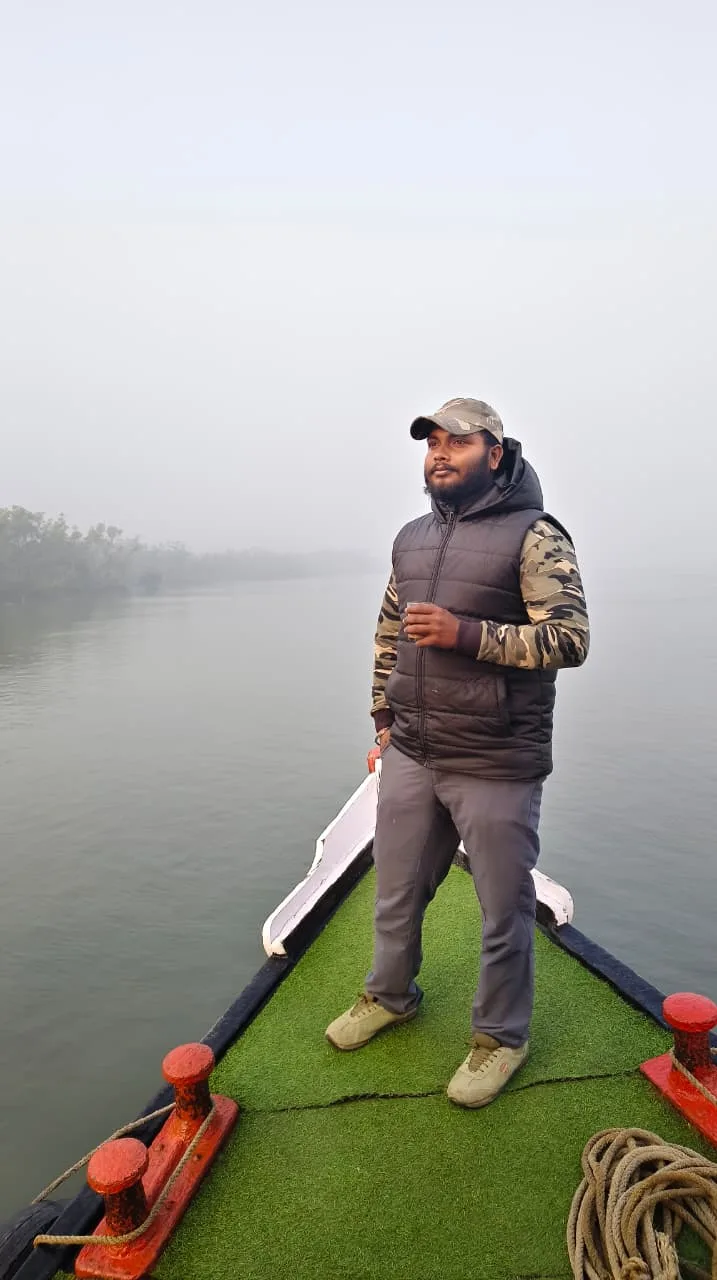
No Sundarban private tour is ever complete without indulgence in its delicious food. Day tours will always include breakfast and lunch on board. You can almost guarantee a home-like Bengali lunch with fresh river fish, prawns, rice, dal, and vegetables prepared with traditional spices. A steaming cup of tea on the boat deck while cruising through the mangroves is sheer bliss.

Local tour operators also organize special vegetarian menus so that vegetarians are comfortable and content during the trip.

Sample One-Day Schedule

This is what an average Sundarban tour package itinerary would look like:

  • 5:00 AM: Pick up from Kolkata and travel to Godkhali (around 3.5 hours).
  • 8:30 AM: Breakfast in the morning near the jetty; set off on the boat to start your waterway journey.
  • 9:00 AM – 1:00 PM: Visit to Sajnekhali, Sudhanyakhali, and Dobanki watchtower and creeks, and forest channel exploration.
  • 1:00 PM: Lunch onboard with riverfront view.
  • 2:30 PM – 4:00 PM: Bird watching, cruising in small rivers, and countryside watching at its tranquil best.
  • 4:30 PM: Back at Godkhali, Kolkata, transfer in the evening.

Few operators provide special interest tourists, such as photographers, family travelers, or honeymooners, a tailored version of this program on a Sundarban private tour.

Best Time to Visit The Sundarbans

October to March is best for the Sundarban tour package when the weather is pleasant and visibility is good. The post-monsoon freshness. Provides an added touch of beauty to the forest, and in winter, a complete one of migratory birds from overseas, like Siberia. Avoid summer (April to June) when the heat and humidity become unbearable.

What to Bring on Your One-Day Tour

Bright packing light ensures a comfortable tour:

  • Cotton apparel with moisture-permeable fabric
  • Sunscreen and sunglasses
  • Binoculars and a camera
  • Reusable water bottle
  • Small first-aid kit

Operators on a Sundarban private tour can arrange other luxuries, including air-conditioned boat cabins, personalized meal menus, and even performance arrangements at the village level.

Why Choose a Sundarban Private Tour?

A Sundarban private tour has several advantages over joint group departures:

  • Personalized timing and schedule
  • Private boat reservation
  • Local guide in private capacity
  • Privacy suitable for families and couples
  • Own meal choice and sightseeing location

Private tours can also be suitable for birders or photographers who require additional hours at a location to take the perfect photograph.

Sundarban Tour Package reservation

While reserving any Sundarban tour package, ensure:

  • Government-approved tour operators with safety certification
  • Transport, food, forest permit, and guide charges are included
  • Cleanliness, condition, and prepared availability of emergency equipment on the boat
  • Customer feedback and flexibility in the itinerary

All operators offer pick-up and drop-off from Kolkata or Canning hotel with day-long guided cruises.

Conclusion

One Day Sundarban Package Tour is anything but a rushed holiday, a break in India’s finest biosphere where land, sea, and wilds harmonize in joyful concord. The serenely drifting boat journey, observing rarely seen wildlife, and devout atmosphere render it one of the most memorable experiences within the territory of Kolkata.

Experience the unbridled beauty of nature with Tour De Sundarbans, take advantage of a Sundarban private tour and indulge in an indescribable experience with peace.


admin

admin

Sundarban Forest, a blue and green mythical belt, is the largest mangrove forest in the world, where rivers and tides coexist blissfully along with wildlife. It stretches over the boundaries of India and Bangladesh, and this UN World Heritage Site is not only a natural beauty but also evidence of the triumph of biodiversity over adversity. If your holiday plan is a nature retreat, the Sundarban Kolkata tour is one of the most exciting adventures you can have just outside the city.

Let us unwrap 15 stunning facts that reveal the Sundarban Forest as one of the world’s most interesting natural wonders.

Unwrap the Wild Beauty of the Mangrove Kingdom

Sundarban Forest is no wonder of nature; it’s a jungle of life, in which rivers empty into the sea and animals live in a mangrove jungle. These are the 15 astounding facts that have turned the Forest into one of the most stunning natural wonders on the surface of the earth:

1. The Largest Mangrove Forest in the World

The Sundarbans Forest, covering around 10,000 square kilometers, is the largest mangrove coastal forest in the world. It is about 40 percent in India and the balance in Bangladesh. The scenic charm of islands and rivers is made up of a rich ecosystem supporting rare species of life.

2. The Land of Royal Bengal Tigers

Sundarbans alone is the mangrove forest where the Royal Bengal Tiger has free movement. The tigers are well-suited to the brackish, swampy habitat and are good swimmers. The forest is home to almost 400 such lovely predators, one of India’s richest tiger habitats.

3. A UNESCO World Heritage Site

In 1987, UNESCO, in its biological significance, made the Indian Sundarbans a World Heritage Site. It is a good example of how nature can overcome the test of global warming and sea level rise and the tender balance between land and water.

4. Two Countries share it

The Sundarban area is situated on the India-Bangladesh border. Even though its Indian portion exists in West Bengal, its Bangladeshi portion is the largest one. Both countries collaborate for the purpose of preserving this unique environment.

5. How It Got Its Name

“Sundarban” is due to the dense presence of the Sundari tree (Heritiera littoralis) in the area. “Sundar” refers to something attractive, and “ban” refers to a forest, a very fitting title for this scenic place.

6. The Kingdom of Islands

The Indian Sundarban contains 102 islands, of which 52 are inhabited by human beings. Human settlements exist at such places where human beings live among tidal creeks, and human livelihood is sustained in the form of the collection of honey, fishing, and ecotourism.

7. A Complicated Network of Waterways

Thick creeks, rivers, and canals surround the Sundarban, for which one has to travel by boat to reach most areas. Therefore, a Sundarban tour from Kolkata will typically include thrilling boat safaris in its serene mangrove channels.

8. The Rhythm of the Tides

Sundarbans has high and low tides twice daily with a 6-10 feet water level variation. This tidal condition determines the geography of the region as much as it determines the biodiversity of flora and fauna.

9. Habitat for Scenic Biodiversity

The Sundarban biohome welcomes a bewildering variety of life, more than 250 bird species, 42 mammal species, 35 reptile species, and countless fish species. From the crocodile to the saltwater to the spotted deer, there is something on every river bend.

10. The Enchanted Bioluminescence

Most of the forest’s water is radiantly lit at night in some seasons by bioluminescent plankton. Trillions of microscopic plants light up, casting an otherworldly sheen over black water, one of the planet’s greatest miracles.

11. Largest Delta in the World

Having been created due to the union of the rivers Ganges, Brahmaputra, and Meghna, Sundarban is the world’s largest delta. The land delta of fertile land feeds the mangrove forest, as well as millions of inhabitants along its fringes.

12. Gosaba – The Gateway Island

Gosaba is the largest and most populous island of the Indian Sundarbans. It is the starting point of most Sundarban Kolkata tours, with local bazaars, eco-lodges, and tourist ferry jetties to start with.

13. Fisherman’s Paradise

The brackish waters of the Sundarbans Forest are India’s largest fishery. Hilsa, prawns, and bhetki are the prime course staples in Bengal cuisine, and the livelihood of the local economy means they are caught locally.

14. The Threats and Challenges

Even though the Sundarbans is lovely, erosion, cyclones, and the rise in sea level pose threats to it. Conservationists and natives have begun replanting and awareness drives to ensure the conservation of mangroves and tiger habitats for generations to come.

15. Ideal Kolkata Weekend Getaway

Sundarbans is about 100 km from Kolkata and hence an ideal weekend holiday. It is enveloped from Kolkata, usually from Godkhali, and then an enchanting boat ride into the mystical mangrove creeks. From bird-eye to tiger-eye, it’s a natural stroll in command.

Why is the Sundarban Forest Popular with Tourists?

Sundarban Forest is not a place; it’s a holiday spot, adventure sports destination, ecologist’s haven, and photographer’s heaven. There’s the scent of mangroves in the air, rivers whisper stories of battle, and creeks’ sunsets defy descriptions. Tiger spotting or watching fishermen navigating through backwaters, the Sundarbans provide you with experiences that make you a part of nature’s beat.

A trip to Sundarban, Kolkata, is a dive into the timelessness of wilderness. The trip unleashes the play of forests, humans, and animals in a delicate harmony that is Bengal’s natural heritage. From eco-resorts at Gosaba to Bhagirathi and Matla river boat safaris with a guide, all here awaken your nature bond.

Travel Tips for Your Sundarban Kolkata Tour

Embark on a guided tour with certified operators for an eco-friendly and safe tour.

  • Take the winter months between November and February for optimum wildlife viewing.
  • Carry binoculars and cameras, the birdlife is simply outstanding!
  • Be respectful of local culture and do not litter the forest surroundings.
  • Stay overnight on a houseboat to see the magic of dawn over estuaries.

Conclusion

Sundarban Forest is a world of the unknown, the untamed, and the ever-beautiful kind. If you are searching for a tour in a combination of adventure, peace, and nature’s beauty, book your Sundarban Kolkata tour in advance and let the rivers show the way in this bewildering wild.

Feel the wonder of nature with the Tour de Sundarbans. Book your Kolkata tour to Sundarban today for an unforgettable eco-tourist adventure.

admin

admin

The Sundarban. Wild. Mysterious. The world’s largest mangrove forest spread over India and Bangladesh. A place where tigers swim. Where tides carve out new paths every few hours. It’s not just a destination, it’s a test—of how we humans treat nature when given the chance.

Tourists keep coming. More than 250,000 visitors step into Sundarbans every year (data from the West Bengal Tourism Department). The number keeps rising. Which means more boats, more plastic bottles, more pressure on a fragile ecosystem. Now the question is—can you visit the Sundarban forest responsibly? Yes. But it takes effort.

The Forest Doesn’t Belong to Us.

Here’s the truth. Sundarban is not a theme park. It’s home. To over 400 tigers, to saltwater crocodiles, spotted deer, fishing cats, otters. Even to 4.5 million people who live on the fringes, surviving with fishing and honey collection.

The forest doesn’t need us. We need it.

When tourists treat it like a picnic spot, it suffers. Loud music on boats, waste dumped in rivers, chasing animals for photos—this is not eco-tourism. It’s exploitation.

sundarban eco village resort

Eco-Tourism vs Mass Tourism.

Eco-tourism is not just a fancy word. It means traveling with respect. Choosing silence over noise. Slower boats instead of speedboats. Staying in an eco village resort built with local materials, run by local people, instead of flashy hotels that drain groundwater.

Sundarban eco tourism is about blending in. About reducing your footprint so nature hardly notices you were there. That’s the only way this forest will last.

A Story from the Delta.

I remember my first boat ride here. The air was heavy with salt. Mudskippers leapt across wet banks. A guide pointed at tiger pugmarks fresh on the shore. My instinct? Snap photos. His warning? “Observe, don’t disturb.”

That sentence stuck. You realize soon—you’re the outsider here.

Practical Tips for Responsible Travel

Let’s make it real. Here are ways you can explore Sundarbans without harming it:

  • Pick the right stay. Go for eco village resorts where electricity is solar-powered, food is locally sourced, and water is conserved.


  • Don’t litter. A single plastic bottle can choke mangrove roots. Carry your waste back.


  • Stay quiet. Tigers, birds, deer—they move naturally when undisturbed. Your loud voice? It breaks the forest rhythm.


  • Use local guides. They know safe routes, they share stories of culture, and your money goes directly to the community.


  • Avoid speedboats. They erode fragile riverbanks and scare away dolphins.

sundarban forest tour

Why It Matters.

A study published in Wetlands Ecology and Management showed that Sundarban mangroves act as a carbon sink absorbing 4.15 tons of carbon per hectare annually. They’re not just trees. They’re global climate protectors. Destroy them, and the world loses.

Also, this forest is the last stronghold of the Bengal tiger in mangroves. Fewer than 100 individuals are estimated in the Indian part. Every disturbance reduces their chances.

The Human Angle

Eco-tourism is not only about animals. It’s about people too. Locals risk their lives daily—fishing in crocodile waters, collecting honey while tigers stalk. When you choose Sundarban eco tourism run by villagers, you help them earn safely. It reduces dependence on dangerous forest work. That’s not charity. That’s fairness.

Small Choices. Big Impact.

Imagine this. Two tourists. One throws chips packet into the river. Another carries it back. One books a luxury hotel draining diesel generators. Another stays at an eco village resort. Tiny differences, but multiplied by thousands, the result is huge.

Tourism can destroy Sundarbans. Or it can save it. Depends on us.

The Final Thought

The Sundarban is not fragile—it has survived cyclones, tides, and centuries. But it can’t survive careless tourism. You can enjoy it. You should. But tread light. Leave no scars.

Responsible eco-tourism is not just a choice here—it’s survival. For the forest. For the tiger. For us.

FAQs

Q1. What is the best time to visit Sundarbans responsibly?
Winter months, from November to February. The weather is pleasant, boat rides are easier, and you avoid monsoon flooding which stresses local resources.

Q2. Are eco village resorts safe and comfortable?
Yes. Most offer clean rooms, local cuisine, and solar electricity. They may not be luxury, but they provide comfort with a lighter environmental impact.

Q3. Why avoid plastic in Sundarban forest?
Because plastic clogs mangrove roots, kills fish, and takes decades to decompose. One bottle left behind may stay longer than you live.

Q4. How does eco-tourism help local people?
It provides jobs—guiding, homestays, handicrafts. Income from tourism reduces dependence on dangerous forest-based livelihoods.

Q5. Can mass tourism really harm tigers?
Yes. Studies show frequent human disturbance pushes tigers deeper into the forest, shrinking their hunting grounds. This raises conflict with villagers.

admin

admin

For anyone planning an escape into the wild beauty of the Sundarbans, the question often begins with a simple one: “How do I get there from Kolkata?” While the journey may seem straightforward on the map, it’s a blend of road, rail, and waterways that makes it unique. Whether you’re a casual traveler looking for comfort or an adventurer ready to dive into a Backpackers Sundarban Tour, understanding the routes and options can make all the difference.

Understanding the Sundarbans’ Location.

The Sundarbans, one of the largest mangrove forests in the world, stretches across India and Bangladesh. In India, it lies in the southern part of West Bengal, roughly 100 kilometers from Kolkata. The journey isn’t about simply getting from point A to point B—it’s about passing through rural Bengal, watching rivers merge, and feeling the pace of life slow down.

According to the Ministry of Tourism, nearly 200,000 visitors explore the Indian Sundarbans every year, with peak travel months between November and February.

Route Options from Kolkata.

1. Road and Ferry Combination

Most travelers start with a road trip from Kolkata to one of the ferry points such as Godkhali, Canning, or Namkhana. Godkhali is the most popular, being about 3.5 to 4 hours away by car or shared cab. From there, the only way forward is by boat—your first taste of the waterways that define the Sundarbans.

This route is ideal for those booking a Sundarban tour package, as most operators arrange private cars and pre-booked ferries. You’ll have the benefit of a seamless transfer, especially if you’re carrying photography equipment or traveling with family.

2. Train and Ferry for Budget Travelers

For those on a tighter budget, trains from Sealdah station to Canning are frequent and affordable, taking about 1.5 hours. From Canning, local vans or buses take you to Godkhali, where boats await. This method is perfect for Backpackers Sundarban Tour travelers—cheap, flexible, and with plenty of interaction with locals.

3. Private Transfers for Comfort

If time and comfort are top priorities, you can opt for a private vehicle all the way to the ferry point. Many luxury Sundarban tour package providers arrange air-conditioned cars, English-speaking guides, and express transfers to make the journey hassle-free.


The Boat Journey: Where the Magic Begins.

No matter how you get to the jetty, the real adventure starts when your boat leaves the shore. Expect anywhere from 30 minutes to over 2 hours on the water depending on your destination within the Sundarbans. The slow chug of the motor, the occasional splash of water, and sightings of fishing boats set the tone for your trip.

Many travelers say that this boat ride is the most memorable part of their journey—long before they spot their first kingfisher or, if lucky, the elusive Royal Bengal tiger.

Best Time to Travel.

The Sundarbans can be visited year-round, but winter (November–February) offers the most comfortable weather, with daytime temperatures between 12°C and 20°C. Summer can be hot and humid, while the monsoon (June–September) brings heavy rain, making some routes tricky.

Travel Tips for a Smooth Journey

  • Book Early: Especially during peak tourist season, Sundarban tour package slots fill up fast.


  • Carry Cash: ATMs are rare once you leave the main towns.


  • Pack Light but Smart: Sunscreen, a hat, binoculars, and insect repellent are essentials.


Stay Eco-Conscious: The Sundarbans is a UNESCO World Heritage Site; avoid plastic and respect local wildlife.

sundarban trip

Why the Journey is Worth It

According to WWF India, the Sundarbans is home to over 260 species of birds, 120 species of fish, and around 100 Royal Bengal tigers. But it’s not just the wildlife—it’s the feeling of stepping into a completely different rhythm of life. The trip from Kolkata is not merely a commute; it’s an immersion into landscapes where rivers decide the roads, and every bend offers a new scene.

FAQs

  1. How long does it take to reach Sundarbans from Kolkata?
    Typically, it takes around 4 to 5 hours, including both road/rail travel and the boat ride.
  2. Can I go to Sundarbans in a day?
    Yes, but an overnight or 2-night trip is recommended to explore the deeper parts of the forest and enjoy early morning safaris.
  3. What is the cheapest way to travel from Kolkata to Sundarbans?
    The most budget-friendly method is taking a train from Sealdah to Canning, followed by local transport to Godkhali, and then a public boat.
  4. Are private tours available?
    Yes, you can book a Sundarban private tour with door-to-door transport, private boats, and customized itineraries.
  5. Is it safe to travel solo?
    Absolutely, especially if you’re booking with a reputed tour operator or joining a Backpackers Sundarban Tour group.
admin

admin

Whenever you think of nature what comes into your mind? May be thick, salty air, winding tidal creeks, and mysterious silhouette of the Royal Bengal Tiger, you can see it all in dense mangroves. 

What if we tell you that you can get all this in the sundarban forest. If you want to freshen your mind or want to be a visitor to have an experience of such an environment then you need to plan things out for you. With Tour De Sundarbans you can have it all under a single roof. 

Tour De Sundarban built around its one-of-a-kind Eco Village Resort, the only one of its kind nestled within the Sundarbans. To know more read the following article till the end. 

Started back in 2012, this 4-acre sanctuary was born from a vision. What was once barren land by the Dotto River now teems with over 60 species of trees and farm animals, while being a stone’s throw from the Jotirampur Bird Sanctuary.

More than a stay, it’s a philosophy: 30 local villagers co-manage the village, ensuring guests experience real stories and genuine warmth, keeping tourism respectful, community-centered, and sustainably driven.

Stay options range from rustic, organic huts made of mud, hay, and wood, naturally cool in summer and comforting in winter, to six premium concrete cottages with geysers so you have comfort with character. Prices start around ₹3,000 for organic cottages and ₹4,000 for premium ones, including meals and chai.


Choosing a Sundarban private tour through Tour De Sundarbans means getting to experience the mangroves on your terms. Their 3-night, 4-day “Wild Quest” package brings you to the Eco Village, adds two full-day jungle boat safaris, and offers immersive cultural walks and bird watching all without the chaos of rushing crowds.

These tours strike a balance: birding along country boats, spotting kingfishers or fiddler crabs, quiet walks through paddy fields and honey collectors’ villages all crowned by evenings of traditional music and storytelling under the stars.

The Sundarbans covers a massive expanse of an Indian biosphere of 9,630 km² studded with mangroves and wildlife, among UNESCO World Heritage and Tiger Reserve areas.

If you will look at the numbers there were 50,000 annual visitors in 2002 and the numbers grew to 117,000 visitors in 2010. Yes, sundarban has gained popularity but with it also increased the risk of habitat loss, pollution, etc. 

Sites like Tour De Sundarbans, which provide ecotourism that honors and protects the forest and the local inhabitants, are excellent examples of this.

Let’s put some numbers to the magic. In Bangladesh, tourism in the mangroves is valued at around USD 53 million annually, reflecting significant local and global interest. On the Indian side, ecosystem services like carbon sequestration, habitat protection, and storm buffering add up to an estimated ₹12.8 billion per year translating to roughly ₹50,000 per hectare. This isn’t abstract: it’s protection through presence, where each responsible visitor plays a part in keeping the forest alive.

How a Private Sundarbans Tour Sets You Apart

Opting for a Sundarban private tour means you’re seeking deeper immersion. Other operators emphasize:

  • Exclusive access to remote pockets not included in regular group itineraries
  • Private boats, flexible schedules, and personalized wildlife interests
  • Better comfort, from luxury transport to cultural interaction tailored just.

Compare that with the Tour De Sundarbans experience, where modesty, authenticity, and co-existence with the environment take the spotlight. It’s not luxury per se, but it is deeply enriching.

Sundarban Tour

Why This Feels Real and Human

There’s a gentle honesty in how Tour De Sundarbans talks about its challenges: cyclones, salt-water intrusion, and operating on an island with logistics that wear you down. Yet, they persist, because sustaining an Eco Village isn’t just business it’s love for place and people.

And their accolades? They come naturally TripAdvisor’s favourite since 2011, a Travel & Hospitality Award winner, featured in Lonely Planet, and spotlighted on travel shows and blogs, not to flaunt, but affirmed by those who wander differently.

FAQs

  • What makes the Eco Village so special compared to typical sundarban forest tours?

It’s about living with intention, staying in eco-friendly cottages, engaging with local culture, and exploring the mangroves sustainably. Tourism here isn’t just sightseeing, it’s sharing and saving.

  • Is a Sundarban private tour worth it over group packages?

Absolutely if you value solitude, flexible pacing, wildlife photo ops, and a deeper, less-touristy experience, a private tour offers that freedom and intimacy.

  • How sustainable is tourism in this part of the world?

The Eco Village demonstrates how tourism can benefit forests and communities. Meanwhile, ecosystem services of the Sundarbans highlight its immense value, thousands of crores in protection value per year in India alone.

  • When’s the best time to visit?

Generally, November through February offer the most pleasant weather, fewer bugs, and better wildlife visibility.

  • What to expect in terms of amenities?

Organic cottages offer basic rooms with food and natural ventilation. Premium cottages add comforts like geysers. Expect clean facilities, power, fans, and a lot of peace.

admin

admin

The Sundarbans, a vast delta straddling India and Bangladesh, is famous for its extraordinary biodiversity and mangrove forests, but it is also home to an equally rich tapestry of folklore and legends. For centuries, the people who reside in and around this unique wilderness have spun enchanting stories inspired by the natural wonders that surround them. These tales, passed down through generations, not only entertain but also offer valuable insights into the complex relationship between humans and the wild. So if you are planning your Sundarban tour trip these stories will make it even more exciting for you.

The Enchanted World of the Sundarbans Trips

The Sundarbans is a place of mystique and wonder. The region’s intricate waterways, brackish mudflats, and dense mangrove forests provide the ideal backdrop for stories that often straddle the realms of reality and fantasy. It’s no wonder that the Sundarbans have been a source of inspiration for countless myths, legends, and folklore.

Sundarbans tour packages

  1. Bonbibi and Dakshin Rai: Among the most famous legends of the Sundarbans is the tale of Bonbibi, the forest goddess, and her brother Dakshin Rai, the demon king. The story revolves around the balance between the chaos of nature and the protective power of the divine. Bonbibi is the guardian spirit of the forest, ensuring the safety of all who enter, while Dakshin Rai, the ruler of the demons, seeks to disrupt this harmony. This folklore illustrates the eternal struggle between the human desire for survival and nature’s untamed force.


  1. The Tiger-God of Nilkamal: The Bengal tiger holds a mythical place in the hearts and minds of the people of the Sundarbans. It is not merely a creature of flesh and bone; it is the legendary protector of the forests. The story of the Tiger-God of Nilkamal tells of a man who was transformed into a tiger after he ventured too deep into the woods and disrupted the sanctity of the jungle. This tale serves as a cautionary reminder of the consequences of overstepping the boundaries of nature.


  1. Ojha and Bebsha: Ojhas, traditional healers and spiritual leaders in the Sundarbans, play a significant role in the folklore. They are believed to have the power to heal the sick and control malevolent spirits. Tales of Ojhas and their confrontations with supernatural forces are common in the region. These stories underscore the significance of spiritual guidance in the face of adversity.


The Intricacies of Sundarbans Folklore


The folklore of the Sundarbans is far from monolithic. Instead, it is a patchwork of tales woven into the cultural fabric of the region’s diverse inhabitants, including indigenous communities, Bengali settlers, and forest-dwelling tribes. Each group contributes its unique stories and perspectives, often reflecting its relationship with the natural world.


  • Maternal Protectorate: For many indigenous communities residing within the Sundarbans, the forests are not only a source of livelihood but also a source of protection. Folklore often emphasizes the maternal aspect of nature, portraying the forests as a nurturing mother figure who provides sustenance and safeguards her children. The stories celebrate the harmony between humans and nature when the relationship is built on respect and reciprocity.

  • Respect for Nature: Central to many Sundarbans legends is the lesson of respecting and preserving the environment. These stories remind the people of the region that nature is a force to be reckoned with and that overexploitation can bring dire consequences. Through folklore, communities have learned to tread lightly in the mangroves, recognizing that their survival is intrinsically linked to the health of the ecosystem.

  • The Supernatural World: The Sundarbans’ folklore is replete with supernatural beings and creatures, from water spirits to forest deities. These elements not only add an air of mysticism but also serve as cautionary tales, teaching people to be aware of the unseen forces that dwell within the forest. Folkloric narratives often delve into the complexities of balancing the physical world with the metaphysical one.


The Legacy of Sundarban Folklore

Sundarban folklore plays an essential role in the lives of the people who call this unique delta home. These stories are more than mere entertainment; they are a way to impart wisdom, preserve cultural heritage, and foster a profound connection to the environment. In a region where the balance between man and nature is delicate, these tales serve as a compass guiding people towards a harmonious existence with the wild.


Conclusion: An Endless Odyssey of Stories

As the Sundarban tour continues to captivate the world with its biological marvels, the stories woven into the tapestry of this delta remind us that the relationship between humans and nature is more than a pragmatic one; it’s a deeply spiritual connection. Sundarban tales passed down through generations, emphasize the importance of living in harmony with the natural world, showing that the balance between progress and preservation is a narrative that resonates not just in folklore but in the very heart of the Sunderban trip itself.

admin

admin